Hormonal Birth Control May Shift How Women See Their Own Romantic Appeal
October 11, 2026 - 22:49
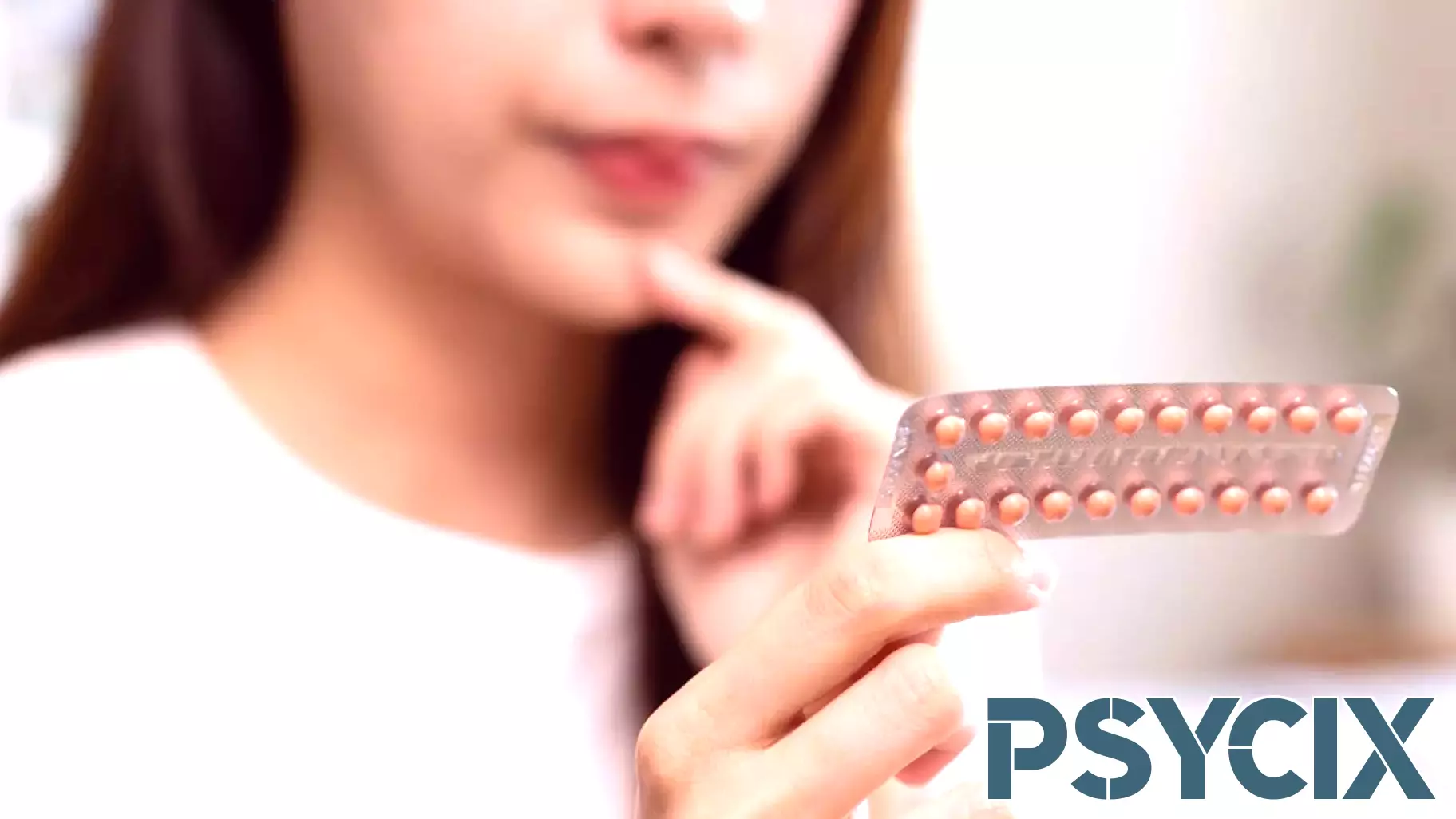
While hormonal birth control is known to suppress fertility, a series of new psychological evaluations suggests that synthetic hormones may inadvertently boost how women perceive their own romantic desirability, social reputation, and overall value to potential partners.
The research examined how women using various forms of hormonal contraception rated themselves across a range of romantic and social traits. Participants consistently placed themselves higher on measures of attractiveness, mate value, and social standing compared to women not using hormonal methods. The pattern held across multiple assessments, pointing to a possible link between synthetic hormone exposure and self-perception rather than actual changes in appearance or status.
Researchers behind the work suggest several explanations. Hormonal contraceptives alter cycles of estrogen and progesterone, which can influence mood, confidence, and social behavior. Some scientists argue that these shifts may lead women to interpret their own romantic prospects more favorably, even when outside observers see no difference. Others point to the broader psychological effects of feeling in control of one's fertility, which could translate into greater self-assurance.
The findings add to a growing body of work on how contraception shapes emotions, relationships, and decision making. Earlier studies have looked at partner choice, jealousy, and attraction, but fewer have focused on how women judge themselves. The new evaluations aim to fill that gap.
The authors caution that the results do not prove that hormonal birth control makes women more attractive to others. Instead, the effect appears to be internal, changing the lens through which users view their own romantic traits. They call for longer studies that track women before, during, and after contraceptive use to clarify how lasting these perceptions are and what they mean for relationships.
MORE NEWS

November 8, 2026 - 03:57
Attractive and Kind People: Why They Struggle to Form Close FriendshipsAttractive, kind people get approached fast and for a reason. Psychology explains why that reason is exactly where the closeness stops. Often, these individuals find themselves in a unique social...
November 7, 2026 - 09:26
The Impact of Evolution on Love and CompetitionHow much does our evolutionary past dictate whom we love and how we compete? This question was at the heart of recent discussions in psychology podcasts, where two experts presented contrasting...

November 6, 2026 - 22:21
Rising Extremism Among European Youth: A Response to Economic and Social StrainThe radical youth protests now taking place in several European countries are part of broader social shifts that experts have been observing for years. The combination of economic insecurity and...

November 6, 2026 - 04:28
Exploring Fear at Haunted HealyThe Georgetown Program Board hosted its annual Haunted Healy event, blending the realms of psychology and neurobiology to create a chilling experience on October 24. Each year, students flock to...