Growing Up with Therapist Parents: A Unique Lens on Neuroscience
March 29, 2025 - 09:02
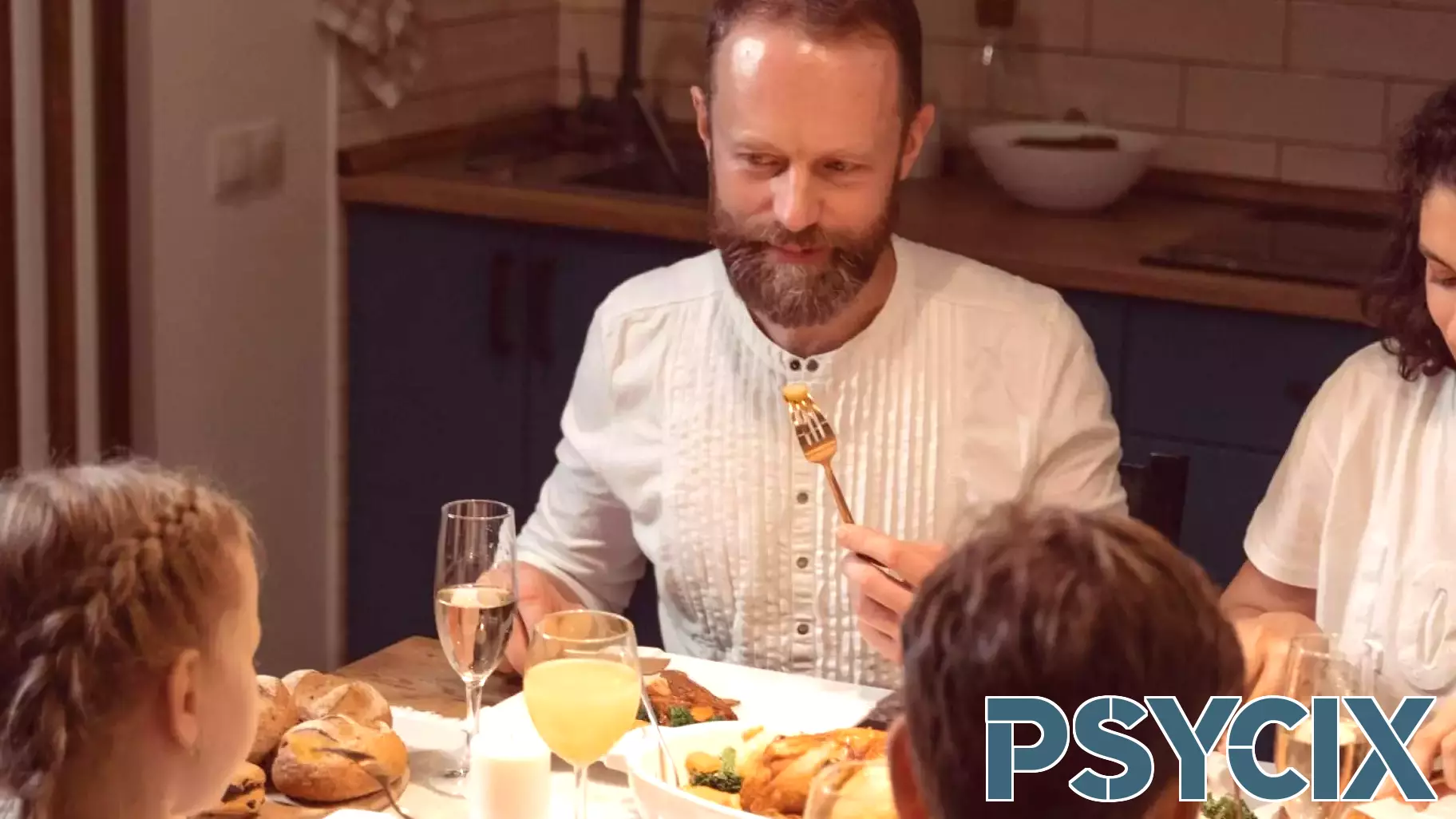
Being raised by two therapists presents its own set of challenges, but it has also provided me with an invaluable perspective that shapes my approach to neuroscience research. From an early age, I was immersed in discussions about mental health, emotional intelligence, and the intricacies of human behavior. The dinner table often transformed into a mini-therapy session, where conversations flowed freely about feelings, relationships, and the mind's complexities.
This environment fostered a deep curiosity within me, prompting me to explore the connections between mental health and neuroscience. I learned to appreciate the nuances of human emotions and how they influence cognitive processes. My parents' insights into therapeutic practices and psychological theories enriched my understanding of the brain's functions and the importance of empathy in research.
Navigating life with therapist parents has not always been easy, but it has undeniably equipped me with a unique lens through which I approach my studies. This blend of personal experience and academic inquiry continues to shape my passion for understanding the human mind.
MORE NEWS

October 9, 2026 - 01:11
Psychology Professors Raise Concerns About AI Dependence in StudentsPsychology professors are expressing growing concern that students` increasing reliance on artificial intelligence tools may be weakening essential cognitive and academic skills. In a recent...

October 8, 2026 - 15:57
Imitation Is How Children Learn More Than Just WordsWhen a toddler suddenly starts echoing a parent`s words, facial expressions or gestures, it can look like simple mimicry. Developmental psychology research, however, shows that imitation is closely...
October 7, 2026 - 21:42
Geisinger Excited About Teaching at SCCKate Geisinger has joined Southeastern Community College as a full-time psychology instructor, bringing with her a strong commitment to student learning and intellectual growth. Geisinger says her...

October 7, 2026 - 03:39
Associate professor of psychology brings evidence-based mental wellness support directly to college studentsKaileigh Byrne, Wallace R. Roy Distinguished Associate Professor of psychology in the College of Behavioral, Social and Health Sciences, has spent years studying how people make decisions under...