Exploring the Mind: The Psychology Behind Misinformation
November 1, 2025 - 01:46
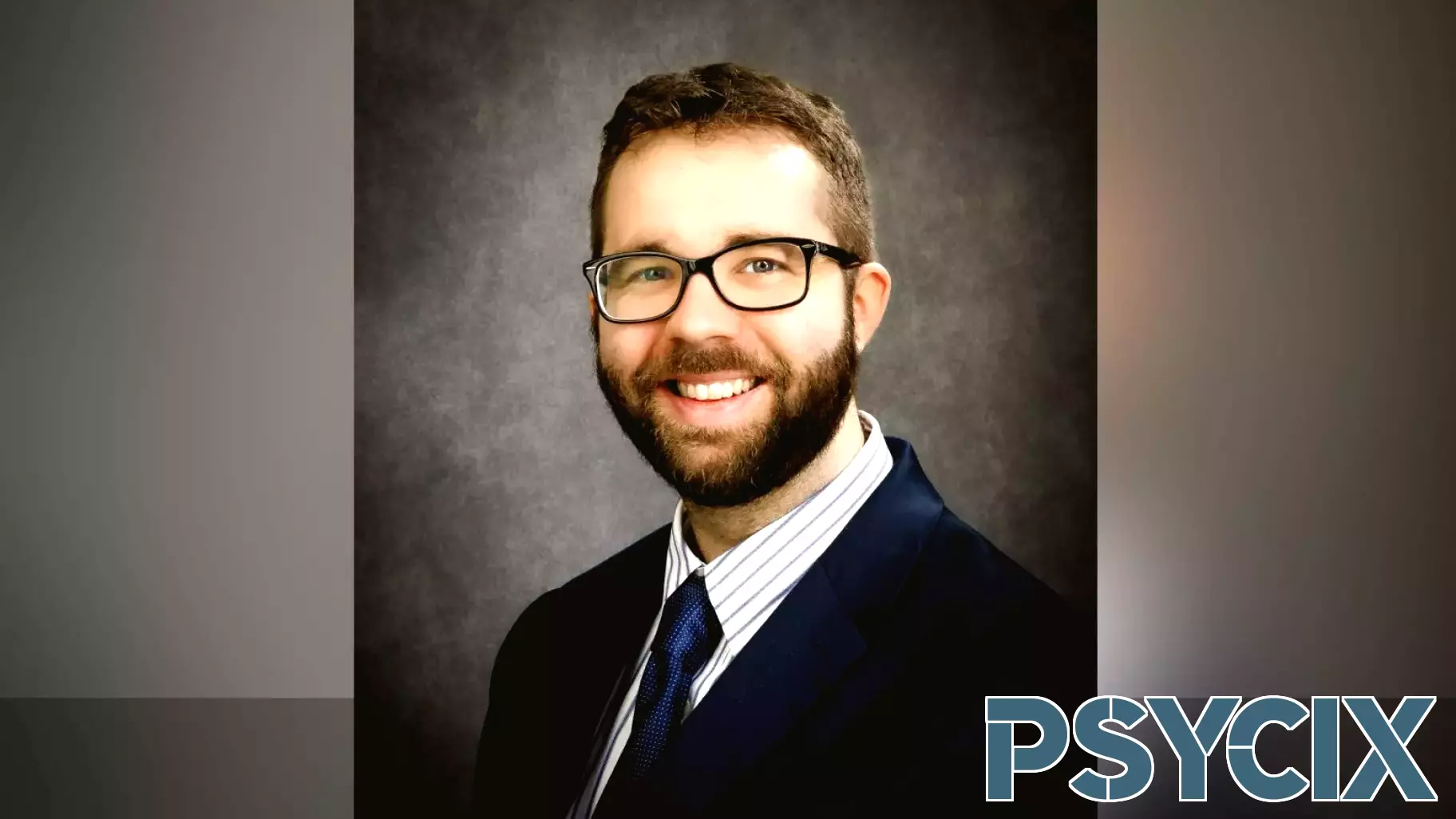
NEW WILMINGTON, Pa.-- Dr. Matthew Facciani ’11 of the University of Notre Dame will present “The Psychology of Misinformation: How Our Social Worlds Shape What We Believe” at Westminster College’s annual colloquium. This event aims to delve into the complex interplay between social dynamics and the spread of misinformation in contemporary society.
Dr. Facciani's presentation will explore how individual beliefs are influenced by social environments, highlighting the psychological mechanisms that contribute to the acceptance and propagation of false information. Attendees can expect to gain insights into the cognitive biases and social factors that play a critical role in shaping public perceptions and beliefs.
The colloquium serves as a platform for fostering dialogue about the implications of misinformation in various contexts, including politics, media, and everyday interactions. As misinformation continues to pose challenges in the digital age, understanding its psychological underpinnings becomes increasingly vital for promoting informed discourse and critical thinking among individuals and communities.
MORE NEWS

October 8, 2026 - 15:57
Imitation Is How Children Learn More Than Just WordsWhen a toddler suddenly starts echoing a parent`s words, facial expressions or gestures, it can look like simple mimicry. Developmental psychology research, however, shows that imitation is closely...
October 7, 2026 - 21:42
Geisinger Excited About Teaching at SCCKate Geisinger has joined Southeastern Community College as a full-time psychology instructor, bringing with her a strong commitment to student learning and intellectual growth. Geisinger says her...
October 7, 2026 - 03:39
Associate professor of psychology brings evidence-based mental wellness support directly to college studentsKaileigh Byrne, Wallace R. Roy Distinguished Associate Professor of psychology in the College of Behavioral, Social and Health Sciences, has spent years studying how people make decisions under...

October 6, 2026 - 01:22
Inside the Mind: How SailGP Teams Handle Pressure and Build Winning CulturesThe human side of elite sailing takes center stage in the newest chapter of SailGP`s documentary series Racing on the Edge, created alongside Rolex. This installment shifts focus away from boat...