Exploring the Mental Roots of Aggression, Tribalism, and the Hope for Peace
July 21, 2025 - 19:15
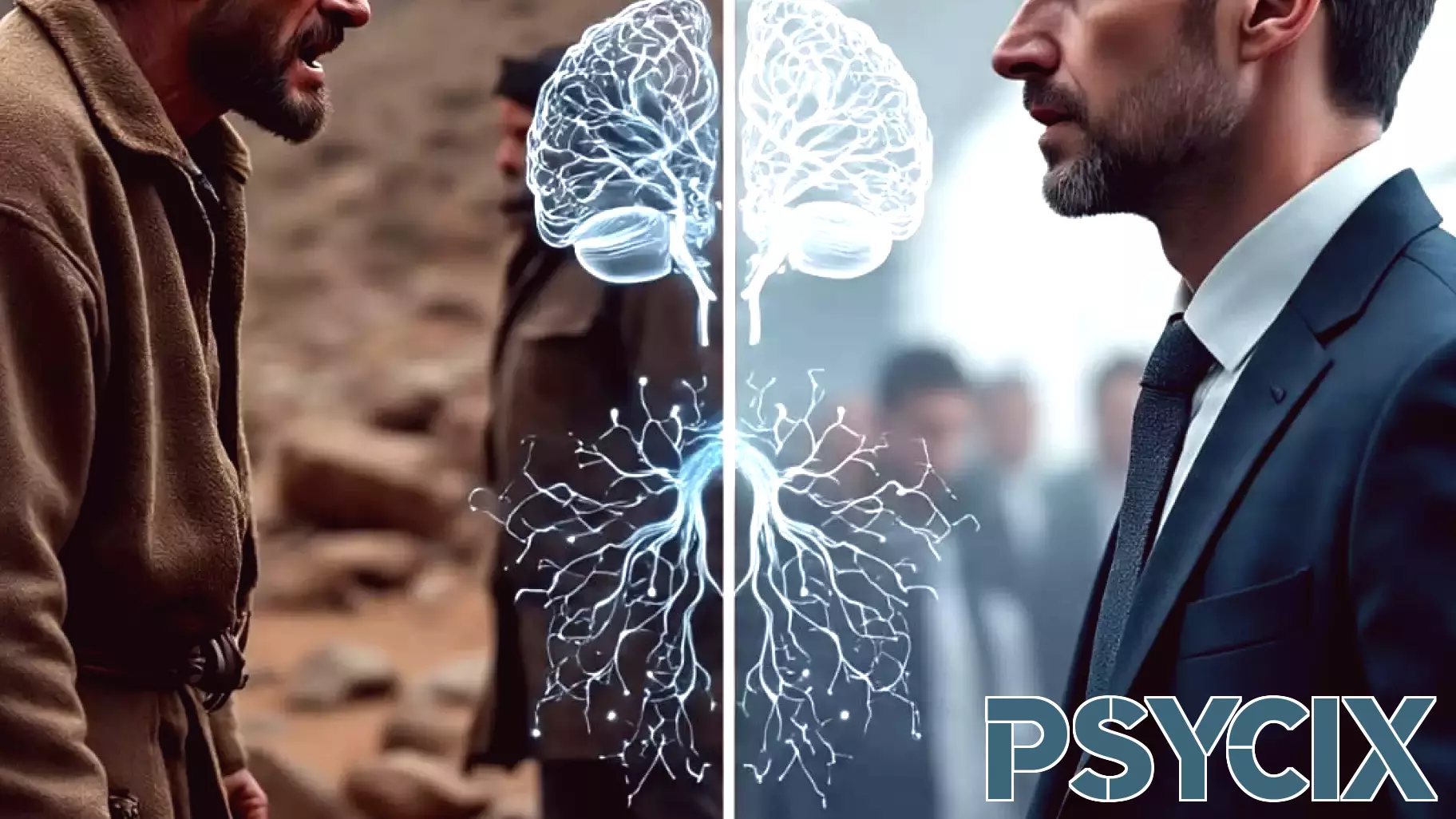
In an era marked by persistent global conflicts, understanding the psychological underpinnings of human aggression and tribalism has become increasingly vital. Researchers are delving into the mental frameworks that drive individuals and groups to engage in warfare and hostility. This exploration reveals that our evolutionary history has wired us for both cooperation and conflict, often leading to a complex interplay between empathy and aggression.
Tribalism, a significant factor in human behavior, fosters a sense of belonging and identity but can also breed division and hostility toward outsiders. The psychological mechanisms that fuel these tendencies are critical to understanding why societies sometimes choose conflict over collaboration. However, there is hope. Insights from psychology suggest that fostering empathy and understanding can counteract these instinctual drives, paving the way for peace.
As we continue to study the roots of conflict, the potential for reconciliation and unity remains within reach, urging societies to invest in psychological education and conflict resolution strategies. The path to a more peaceful world may lie in our ability to reshape the narratives that govern our interactions with one another.
MORE NEWS

October 18, 2026 - 06:35
Psychologist Weighs In on Trump's Health RemarksPresident Donald Trump made a rather alarming admission about suffering from some `very severe problems` with his health, and now a psychologist has weighed in with evidence for what some of those...

October 17, 2026 - 17:32
Debunking Common Psychology MythsSpoiler alert: opposites do not attract. That popular belief is just one of many psychology `facts` that turn out to be myths. A closer look at the research reveals several ideas people repeat...

October 17, 2026 - 06:31
The Psychology Behind Why People Enjoy Being ScaredThere are two kinds of people in October: those who count down the days until they can visit a haunted house, and those who would rather spend the evening anywhere else. For the first group, the...

October 16, 2026 - 17:10
How Psychological Stress Sets Off Arthritis Flares Through an Inflammatory PathwayPsychological stress has long been associated with worsening symptoms in rheumatoid arthritis (RA). However, the underlying mechanism connecting psychological stress to the occurrence of joint...