Exploring the Connection Between Gross Motor Skills and Childhood Social Behavior
November 25, 2025 - 11:10

Recent research has highlighted the significant relationship between gross motor skills and social behavior in children, emphasizing the importance of these developmental aspects from a public health perspective. Gross motor skills, which include activities such as running, jumping, and climbing, are essential for children's physical development and are believed to play a crucial role in their social interactions.
The study suggests that children who exhibit proficient gross motor skills may be more likely to engage positively with their peers. This engagement can lead to enhanced social behavior, as children with better motor skills are often more confident in participating in group activities, which fosters friendships and social networks.
However, the research also points out that the specific types of motor skills that influence social behavior are still not fully understood. Understanding this relationship could have significant implications for early childhood development programs and interventions aimed at promoting both physical and social skills. As such, further investigation into this area is crucial for developing effective strategies to support children's overall growth and well-being.
MORE NEWS

October 8, 2026 - 15:57
Imitation Is How Children Learn More Than Just WordsWhen a toddler suddenly starts echoing a parent`s words, facial expressions or gestures, it can look like simple mimicry. Developmental psychology research, however, shows that imitation is closely...
October 7, 2026 - 21:42
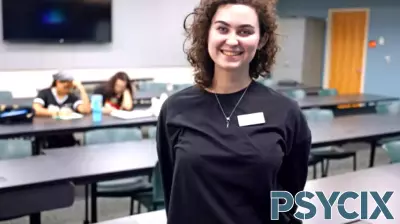
Geisinger Excited About Teaching at SCCKate Geisinger has joined Southeastern Community College as a full-time psychology instructor, bringing with her a strong commitment to student learning and intellectual growth. Geisinger says her...

October 7, 2026 - 03:39
Associate professor of psychology brings evidence-based mental wellness support directly to college studentsKaileigh Byrne, Wallace R. Roy Distinguished Associate Professor of psychology in the College of Behavioral, Social and Health Sciences, has spent years studying how people make decisions under...

October 6, 2026 - 01:22
Inside the Mind: How SailGP Teams Handle Pressure and Build Winning CulturesThe human side of elite sailing takes center stage in the newest chapter of SailGP`s documentary series Racing on the Edge, created alongside Rolex. This installment shifts focus away from boat...