Exploring Nature's Impact on Childhood Behavior and Emotion Regulation
October 30, 2025 - 08:50

A recent study delves into the significant role that a connection to nature plays in influencing behavioral problems and emotion regulation in early childhood. Researchers sought to understand how immersing young children in natural environments could potentially mediate the effects of behavioral issues on their emotional responses.
The findings suggest that children who have a strong connection to nature exhibit better emotional regulation and fewer behavioral problems. This connection provides a sense of calm and stability, which is essential for healthy emotional development. The study emphasizes the importance of outdoor experiences and interactions with natural settings, proposing that these elements can serve as vital tools in addressing behavioral challenges in early childhood.
As society increasingly recognizes the value of nature in child development, this research highlights the need for integrating nature-based activities into early childhood education. By fostering a deeper relationship with the natural world, caregivers and educators may enhance children's emotional well-being and behavioral outcomes, paving the way for healthier development in their formative years.
MORE NEWS

October 8, 2026 - 15:57
Imitation Is How Children Learn More Than Just WordsWhen a toddler suddenly starts echoing a parent`s words, facial expressions or gestures, it can look like simple mimicry. Developmental psychology research, however, shows that imitation is closely...
October 7, 2026 - 21:42
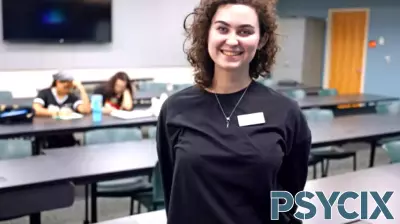
Geisinger Excited About Teaching at SCCKate Geisinger has joined Southeastern Community College as a full-time psychology instructor, bringing with her a strong commitment to student learning and intellectual growth. Geisinger says her...

October 7, 2026 - 03:39
Associate professor of psychology brings evidence-based mental wellness support directly to college studentsKaileigh Byrne, Wallace R. Roy Distinguished Associate Professor of psychology in the College of Behavioral, Social and Health Sciences, has spent years studying how people make decisions under...

October 6, 2026 - 01:22
Inside the Mind: How SailGP Teams Handle Pressure and Build Winning CulturesThe human side of elite sailing takes center stage in the newest chapter of SailGP`s documentary series Racing on the Edge, created alongside Rolex. This installment shifts focus away from boat...