Exploring Human Psychology Through AI-Driven Emotional Simulations
October 8, 2025 - 16:14

Using AI to simulate emotional states is proving to be a valuable tool in understanding the complexities of human psychology. By creating detailed personas within artificial intelligence frameworks, researchers are able to explore a wide range of emotional experiences and responses. These AI-generated personas serve as rich testbeds for examining how different emotional states influence behavior, decision-making, and interpersonal interactions.
The ability to simulate emotions allows psychologists and researchers to conduct experiments that would be difficult or unethical to perform in real life. For instance, they can manipulate emotional variables and observe the resulting changes in behavior, offering insights into the underlying mechanisms of human emotion. This innovative approach not only enhances our understanding of psychological principles but also has practical applications in fields such as mental health, marketing, and user experience design.
As AI technology continues to advance, the potential for deeper insights into human emotional states will expand, paving the way for new therapeutic techniques and improved human-computer interactions. The intersection of AI and psychology holds exciting possibilities for the future of both disciplines.
MORE NEWS

October 8, 2026 - 15:57
Imitation Is How Children Learn More Than Just WordsWhen a toddler suddenly starts echoing a parent`s words, facial expressions or gestures, it can look like simple mimicry. Developmental psychology research, however, shows that imitation is closely...
October 7, 2026 - 21:42
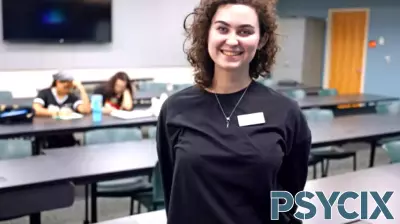
Geisinger Excited About Teaching at SCCKate Geisinger has joined Southeastern Community College as a full-time psychology instructor, bringing with her a strong commitment to student learning and intellectual growth. Geisinger says her...

October 7, 2026 - 03:39
Associate professor of psychology brings evidence-based mental wellness support directly to college studentsKaileigh Byrne, Wallace R. Roy Distinguished Associate Professor of psychology in the College of Behavioral, Social and Health Sciences, has spent years studying how people make decisions under...

October 6, 2026 - 01:22
Inside the Mind: How SailGP Teams Handle Pressure and Build Winning CulturesThe human side of elite sailing takes center stage in the newest chapter of SailGP`s documentary series Racing on the Edge, created alongside Rolex. This installment shifts focus away from boat...