Explore the Online MA Program in General Psychology
February 20, 2025 - 10:25

An upcoming Open House will provide prospective students with an insightful overview of the 100% online Master of Arts in General Psychology program. This informative session is designed to help individuals understand the curriculum, faculty, and unique opportunities that the program offers.
Participants will have the chance to learn about the various specializations within the program, which caters to a diverse range of interests in the field of psychology. The session will cover everything from course structure to potential career paths, equipping attendees with the knowledge they need to make informed decisions about their educational future.
Additionally, attendees will have the opportunity to engage with faculty members and ask questions, gaining firsthand insights into the program's benefits and expectations. This Open House is an excellent opportunity for anyone considering advancing their education in psychology, allowing them to explore how an online degree can fit into their busy lives while still providing a comprehensive educational experience.
MORE NEWS

October 8, 2026 - 15:57
Imitation Is How Children Learn More Than Just WordsWhen a toddler suddenly starts echoing a parent`s words, facial expressions or gestures, it can look like simple mimicry. Developmental psychology research, however, shows that imitation is closely...
October 7, 2026 - 21:42
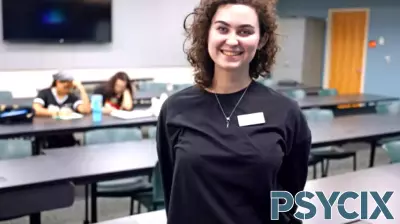
Geisinger Excited About Teaching at SCCKate Geisinger has joined Southeastern Community College as a full-time psychology instructor, bringing with her a strong commitment to student learning and intellectual growth. Geisinger says her...
October 7, 2026 - 03:39
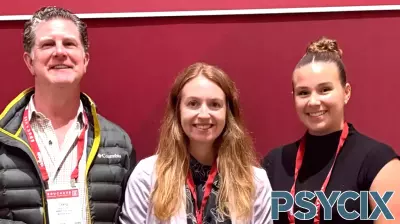
Associate professor of psychology brings evidence-based mental wellness support directly to college studentsKaileigh Byrne, Wallace R. Roy Distinguished Associate Professor of psychology in the College of Behavioral, Social and Health Sciences, has spent years studying how people make decisions under...

October 6, 2026 - 01:22
Inside the Mind: How SailGP Teams Handle Pressure and Build Winning CulturesThe human side of elite sailing takes center stage in the newest chapter of SailGP`s documentary series Racing on the Edge, created alongside Rolex. This installment shifts focus away from boat...