Evening Device Usage: A Growing Concern for Teen Sleep
April 9, 2025 - 13:40

It is widely recognized that the use of smartphones and computers by teenagers during the evening hours significantly impacts their sleep quality. As adolescents increasingly turn to screens for entertainment and social interaction, they often sacrifice precious hours of rest. This trend not only reduces the amount of sleep they get but also disrupts their natural sleep cycles.
Research indicates that exposure to blue light emitted by these devices can suppress the production of melatonin, the hormone responsible for regulating sleep. As a result, many teens find it increasingly difficult to fall asleep at a reasonable hour. The consequences of this behavior extend beyond mere fatigue; insufficient sleep can lead to a host of issues, including decreased academic performance, mood swings, and even long-term health problems.
Parents and educators are becoming more aware of these challenges, prompting discussions about establishing healthier screen time habits. Encouraging teens to limit evening device usage may be a crucial step in promoting better sleep hygiene and overall well-being.
MORE NEWS

October 9, 2026 - 01:11
Psychology Professors Raise Concerns About AI Dependence in StudentsPsychology professors are expressing growing concern that students` increasing reliance on artificial intelligence tools may be weakening essential cognitive and academic skills. In a recent...

October 8, 2026 - 15:57
Imitation Is How Children Learn More Than Just WordsWhen a toddler suddenly starts echoing a parent`s words, facial expressions or gestures, it can look like simple mimicry. Developmental psychology research, however, shows that imitation is closely...
October 7, 2026 - 21:42
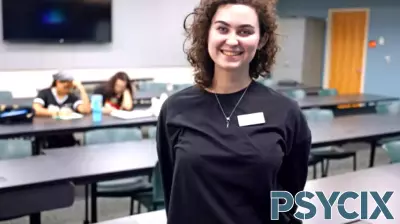
Geisinger Excited About Teaching at SCCKate Geisinger has joined Southeastern Community College as a full-time psychology instructor, bringing with her a strong commitment to student learning and intellectual growth. Geisinger says her...

October 7, 2026 - 03:39
Associate professor of psychology brings evidence-based mental wellness support directly to college studentsKaileigh Byrne, Wallace R. Roy Distinguished Associate Professor of psychology in the College of Behavioral, Social and Health Sciences, has spent years studying how people make decisions under...