Essential Phrases for Comforting an Upset Child
April 11, 2025 - 09:00
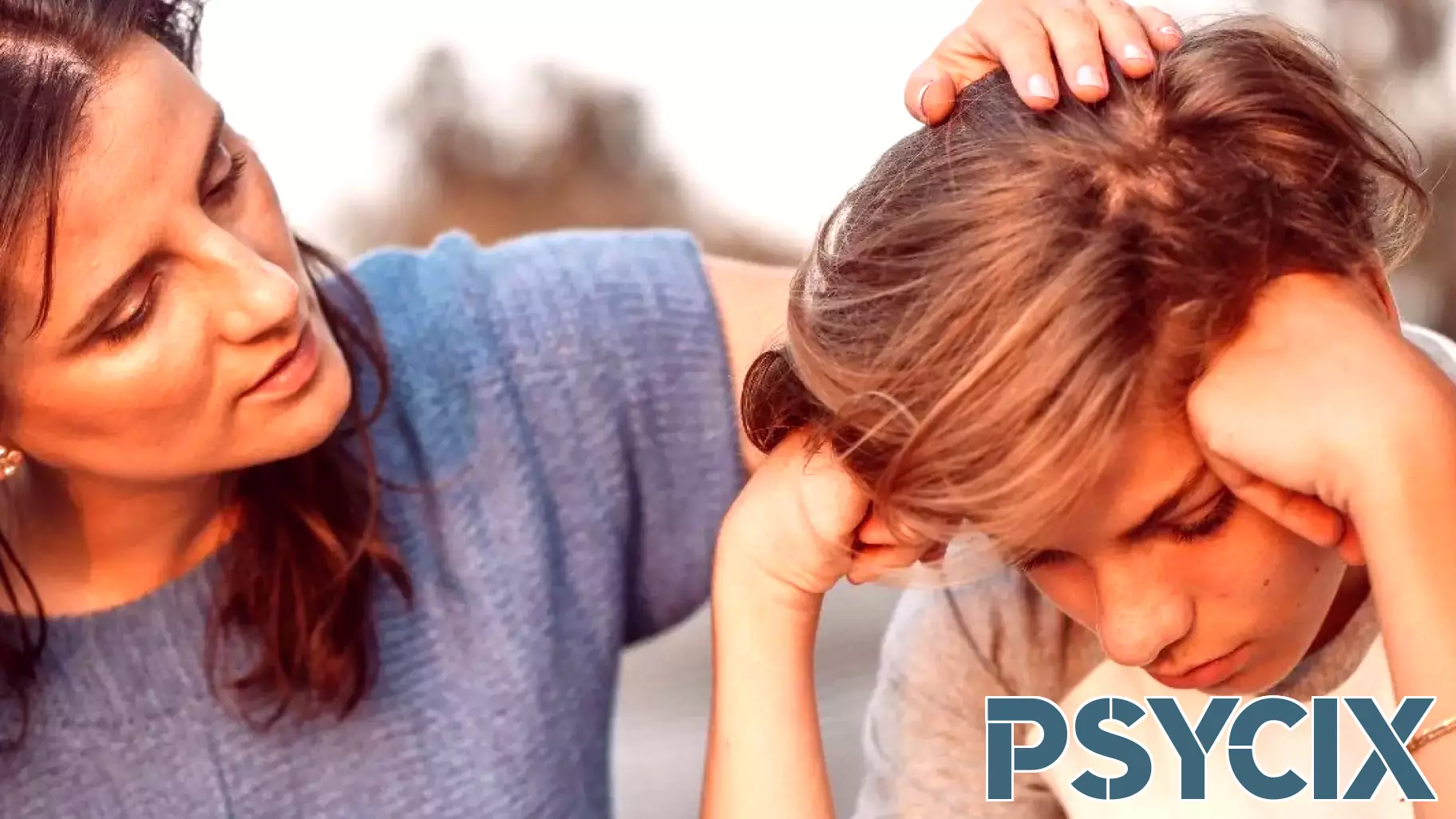
Dr. Becky emphasizes the importance of having specific phrases ready to help parents support their children during tough emotional moments. When a child is upset, the right words can make a significant difference in how they feel and cope with their emotions.
First, she suggests acknowledging the child's feelings by saying, "I can see that you are really upset." This simple validation helps children feel heard and understood, which is crucial for their emotional development.
Next, parents should offer reassurance with the phrase, "It's okay to feel this way." This statement normalizes the child's emotions, reminding them that everyone experiences difficult feelings at times.
Lastly, Dr. Becky recommends asking, "What do you need right now?" This empowers children to express their needs and encourages open communication. By equipping themselves with these three essential lines, parents can effectively guide their children through their emotional struggles, fostering resilience and emotional intelligence.
MORE NEWS

October 8, 2026 - 15:57
Imitation Is How Children Learn More Than Just WordsWhen a toddler suddenly starts echoing a parent`s words, facial expressions or gestures, it can look like simple mimicry. Developmental psychology research, however, shows that imitation is closely...
October 7, 2026 - 21:42
Geisinger Excited About Teaching at SCCKate Geisinger has joined Southeastern Community College as a full-time psychology instructor, bringing with her a strong commitment to student learning and intellectual growth. Geisinger says her...

October 7, 2026 - 03:39
Associate professor of psychology brings evidence-based mental wellness support directly to college studentsKaileigh Byrne, Wallace R. Roy Distinguished Associate Professor of psychology in the College of Behavioral, Social and Health Sciences, has spent years studying how people make decisions under...
October 6, 2026 - 01:22
Inside the Mind: How SailGP Teams Handle Pressure and Build Winning CulturesThe human side of elite sailing takes center stage in the newest chapter of SailGP`s documentary series Racing on the Edge, created alongside Rolex. This installment shifts focus away from boat...