Environments Where Highly Intelligent Introverts Flourish
March 28, 2025 - 02:51

We often think of introverts as merely quiet or shy, but in reality, they’re individuals who draw energy from solitude and deep thinking. Research in psychology reveals that highly intelligent introverts thrive in specific environments that cater to their unique strengths and preferences.
One such environment is the creative workspace, where they can engage in solitary tasks that allow for introspection and innovation. Introverts also excel in academic settings, where they can immerse themselves in study and research, often leading to groundbreaking discoveries.
Additionally, remote work offers the freedom and flexibility that introverts appreciate, allowing them to focus without the distractions of a bustling office. They also tend to flourish in smaller, intimate groups where meaningful conversations can take place, rather than in large social gatherings.
Moreover, environments that promote deep work, such as libraries or quiet cafes, are ideal for introverts, providing the peace needed for concentration. Lastly, supportive communities that value thoughtful contributions allow introverts to feel understood and appreciated, further enhancing their potential.
MORE NEWS

October 9, 2026 - 01:11
Psychology Professors Raise Concerns About AI Dependence in StudentsPsychology professors are expressing growing concern that students` increasing reliance on artificial intelligence tools may be weakening essential cognitive and academic skills. In a recent...

October 8, 2026 - 15:57
Imitation Is How Children Learn More Than Just WordsWhen a toddler suddenly starts echoing a parent`s words, facial expressions or gestures, it can look like simple mimicry. Developmental psychology research, however, shows that imitation is closely...
October 7, 2026 - 21:42
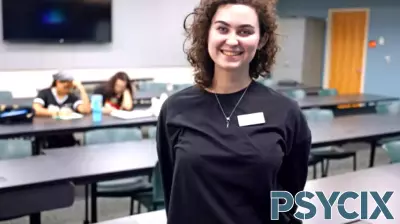
Geisinger Excited About Teaching at SCCKate Geisinger has joined Southeastern Community College as a full-time psychology instructor, bringing with her a strong commitment to student learning and intellectual growth. Geisinger says her...

October 7, 2026 - 03:39
Associate professor of psychology brings evidence-based mental wellness support directly to college studentsKaileigh Byrne, Wallace R. Roy Distinguished Associate Professor of psychology in the College of Behavioral, Social and Health Sciences, has spent years studying how people make decisions under...