Enhance Your Likability in Job Interviews with These Psychological Strategies
March 3, 2025 - 19:14

Likeability plays a significant role in securing a job offer. Building rapport with your interviewer can make a lasting impression and increase your chances of success. Here are some effective psychological tricks to help you connect better during your next interview.
First, practice active listening. Show genuine interest in what the interviewer is saying by nodding and responding appropriately. This not only demonstrates your engagement but also makes the interviewer feel valued.
Next, mirror the interviewer’s body language subtly. This technique can create a sense of familiarity and comfort, making it easier for both parties to connect. Additionally, maintaining eye contact conveys confidence and sincerity, further enhancing your likability.
Another important strategy is to express gratitude. Thank the interviewer for the opportunity and acknowledge their time, which fosters a positive atmosphere. Finally, share personal stories that relate to the job, as this can humanize you and create a memorable connection.
Implementing these techniques can significantly boost your likability and improve your chances of landing the job.
MORE NEWS

October 8, 2026 - 15:57
Imitation Is How Children Learn More Than Just WordsWhen a toddler suddenly starts echoing a parent`s words, facial expressions or gestures, it can look like simple mimicry. Developmental psychology research, however, shows that imitation is closely...
October 7, 2026 - 21:42
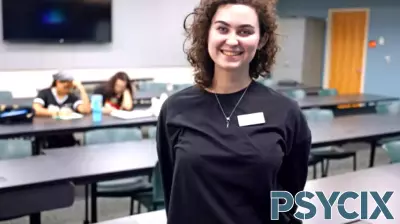
Geisinger Excited About Teaching at SCCKate Geisinger has joined Southeastern Community College as a full-time psychology instructor, bringing with her a strong commitment to student learning and intellectual growth. Geisinger says her...

October 7, 2026 - 03:39
Associate professor of psychology brings evidence-based mental wellness support directly to college studentsKaileigh Byrne, Wallace R. Roy Distinguished Associate Professor of psychology in the College of Behavioral, Social and Health Sciences, has spent years studying how people make decisions under...

October 6, 2026 - 01:22
Inside the Mind: How SailGP Teams Handle Pressure and Build Winning CulturesThe human side of elite sailing takes center stage in the newest chapter of SailGP`s documentary series Racing on the Edge, created alongside Rolex. This installment shifts focus away from boat...