Embracing Failure: The Pathway to Success
June 22, 2025 - 05:48

What if failure isn’t the opposite of success but rather a crucial stepping stone on the journey to achievement? In a world that often glorifies success, it is essential to recognize that setbacks can lead to invaluable lessons. Embracing failure can foster resilience, creativity, and innovation, ultimately paving the way for greater accomplishments.
When individuals encounter obstacles, they are presented with opportunities to learn and grow. Each misstep can reveal insights that may not have been discovered otherwise, shaping a more profound understanding of one’s goals and aspirations. This perspective shift encourages people to take risks, experiment, and step outside their comfort zones, knowing that even if they stumble, they are moving closer to their objectives.
Moreover, many successful figures throughout history have faced significant failures before achieving their dreams. By reframing failure as a necessary part of the success equation, individuals can cultivate a healthier relationship with their aspirations and embrace the journey, no matter how bumpy it may be. Ultimately, the road to success is often paved with lessons learned from failure, making it an essential aspect of personal and professional growth.
MORE NEWS

October 8, 2026 - 15:57
Imitation Is How Children Learn More Than Just WordsWhen a toddler suddenly starts echoing a parent`s words, facial expressions or gestures, it can look like simple mimicry. Developmental psychology research, however, shows that imitation is closely...
October 7, 2026 - 21:42
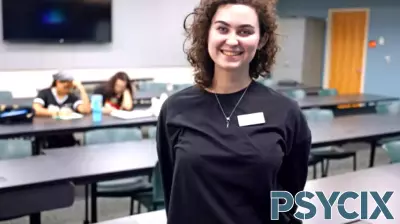
Geisinger Excited About Teaching at SCCKate Geisinger has joined Southeastern Community College as a full-time psychology instructor, bringing with her a strong commitment to student learning and intellectual growth. Geisinger says her...

October 7, 2026 - 03:39
Associate professor of psychology brings evidence-based mental wellness support directly to college studentsKaileigh Byrne, Wallace R. Roy Distinguished Associate Professor of psychology in the College of Behavioral, Social and Health Sciences, has spent years studying how people make decisions under...

October 6, 2026 - 01:22
Inside the Mind: How SailGP Teams Handle Pressure and Build Winning CulturesThe human side of elite sailing takes center stage in the newest chapter of SailGP`s documentary series Racing on the Edge, created alongside Rolex. This installment shifts focus away from boat...