DeChambeau Opens Up About Silent Strategy at The Masters
April 17, 2025 - 08:25
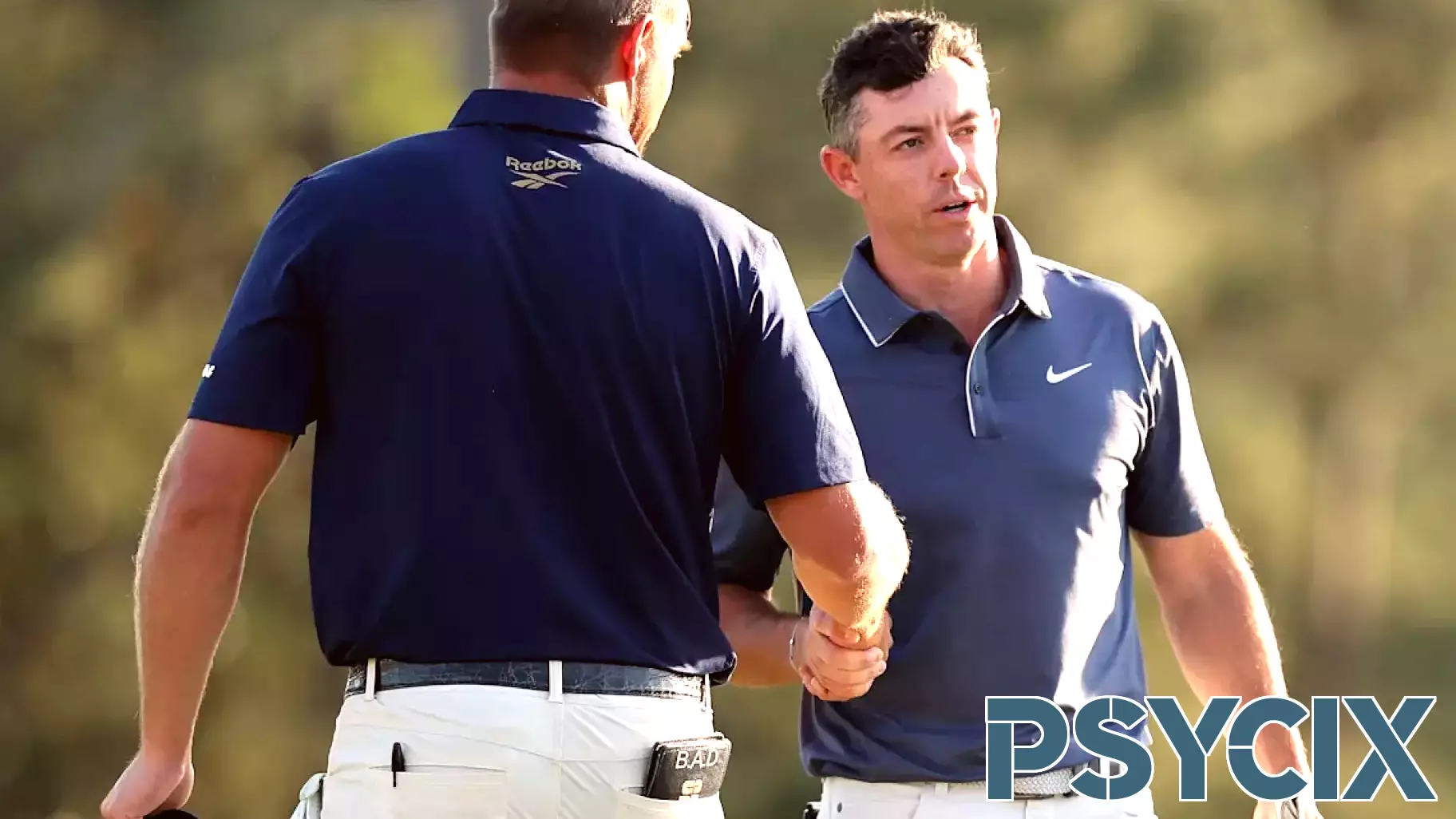
In a surprising revelation after The Masters, Bryson DeChambeau disclosed that the new champion maintained a deliberate silence during the final round of the prestigious tournament. This strategic choice, as explained by DeChambeau, was part of a well-thought-out game plan aimed at enhancing focus and minimizing distractions on the course.
The decision to employ a silent treatment was not just a spontaneous reaction but rather a calculated move intended to maintain competitive intensity. DeChambeau's sports psychologist supported this approach, emphasizing that such tactics can be instrumental in high-pressure situations, allowing players to concentrate solely on their performance without external influences.
This revelation has sparked discussions among fans and analysts alike, with many pondering the psychological aspects of competitive golf. As players continue to explore different mental strategies to gain an edge, DeChambeau's experience serves as a powerful reminder of the mental fortitude required to succeed at the highest levels of the sport.
MORE NEWS

October 9, 2026 - 01:11
Psychology Professors Raise Concerns About AI Dependence in StudentsPsychology professors are expressing growing concern that students` increasing reliance on artificial intelligence tools may be weakening essential cognitive and academic skills. In a recent...

October 8, 2026 - 15:57
Imitation Is How Children Learn More Than Just WordsWhen a toddler suddenly starts echoing a parent`s words, facial expressions or gestures, it can look like simple mimicry. Developmental psychology research, however, shows that imitation is closely...
October 7, 2026 - 21:42
Geisinger Excited About Teaching at SCCKate Geisinger has joined Southeastern Community College as a full-time psychology instructor, bringing with her a strong commitment to student learning and intellectual growth. Geisinger says her...

October 7, 2026 - 03:39
Associate professor of psychology brings evidence-based mental wellness support directly to college studentsKaileigh Byrne, Wallace R. Roy Distinguished Associate Professor of psychology in the College of Behavioral, Social and Health Sciences, has spent years studying how people make decisions under...