Debunking Harmful Myths About Autism and Relationships
July 31, 2025 - 02:48
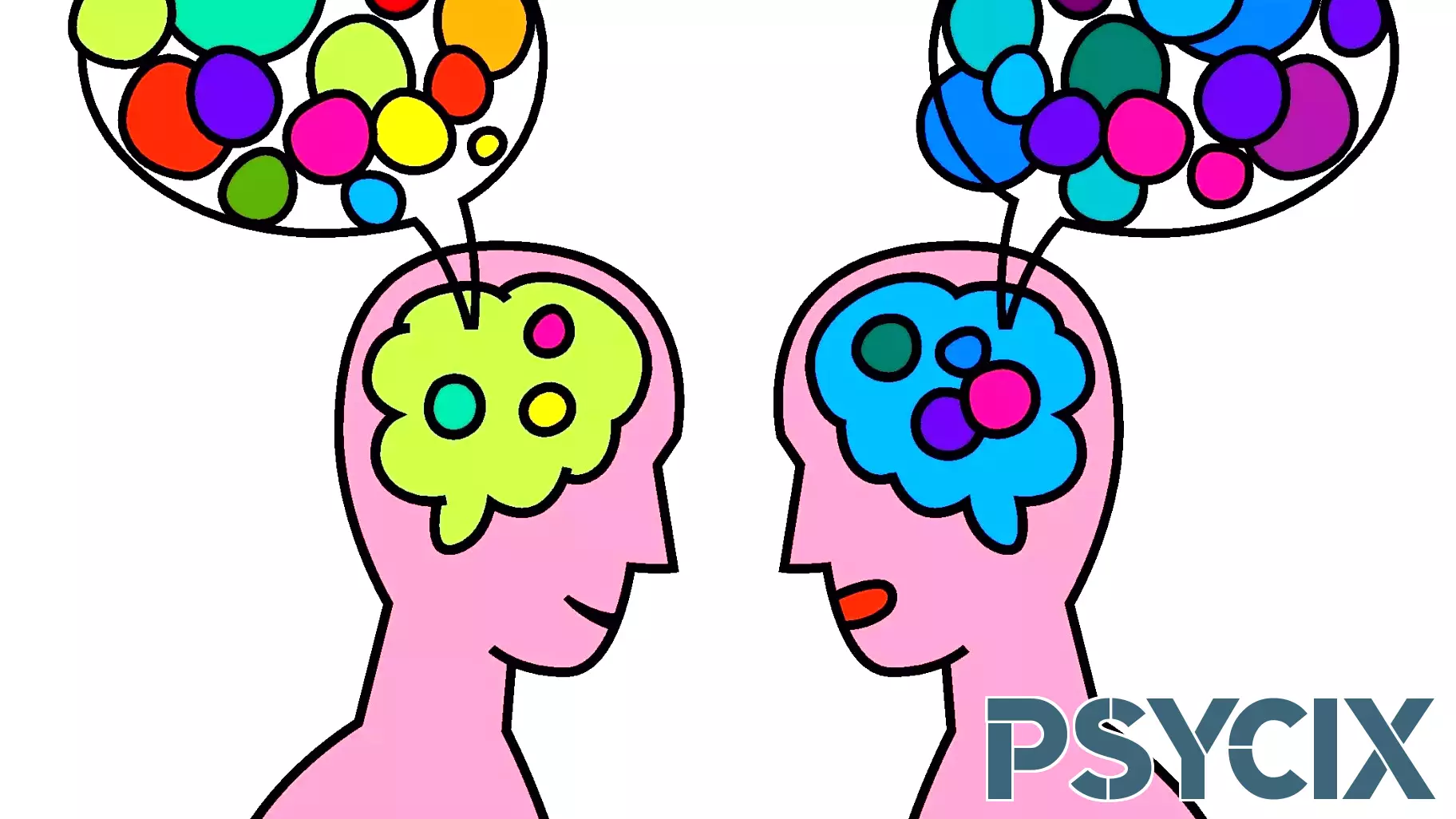
Love transcends diagnoses. People of all neurotypes, whether on or off the spectrum, are fully capable of being in meaningful relationships. A psychologist has recently highlighted the damaging myths surrounding dating and autism, emphasizing that individuals on the autism spectrum can and do form deep emotional connections.
Society often perpetuates the stereotype that those with autism are incapable of understanding or expressing love, leading to misconceptions that hinder genuine connections. These myths can create barriers not only for individuals on the spectrum but also for those who wish to engage with them.
The psychologist argues that such beliefs are not only inaccurate but also detrimental, as they overlook the unique strengths and perspectives that individuals with autism bring to relationships. By fostering a more inclusive understanding of love and connection, society can create a more accepting environment where all individuals can thrive in their romantic pursuits. It is crucial to challenge these stereotypes and recognize the diverse ways in which love is experienced and expressed.
MORE NEWS

October 9, 2026 - 01:11
Psychology Professors Raise Concerns About AI Dependence in StudentsPsychology professors are expressing growing concern that students` increasing reliance on artificial intelligence tools may be weakening essential cognitive and academic skills. In a recent...

October 8, 2026 - 15:57
Imitation Is How Children Learn More Than Just WordsWhen a toddler suddenly starts echoing a parent`s words, facial expressions or gestures, it can look like simple mimicry. Developmental psychology research, however, shows that imitation is closely...
October 7, 2026 - 21:42
Geisinger Excited About Teaching at SCCKate Geisinger has joined Southeastern Community College as a full-time psychology instructor, bringing with her a strong commitment to student learning and intellectual growth. Geisinger says her...

October 7, 2026 - 03:39
Associate professor of psychology brings evidence-based mental wellness support directly to college studentsKaileigh Byrne, Wallace R. Roy Distinguished Associate Professor of psychology in the College of Behavioral, Social and Health Sciences, has spent years studying how people make decisions under...