Clever Owner Outsmarts Rottweiler with Reverse Psychology
October 31, 2025 - 14:25
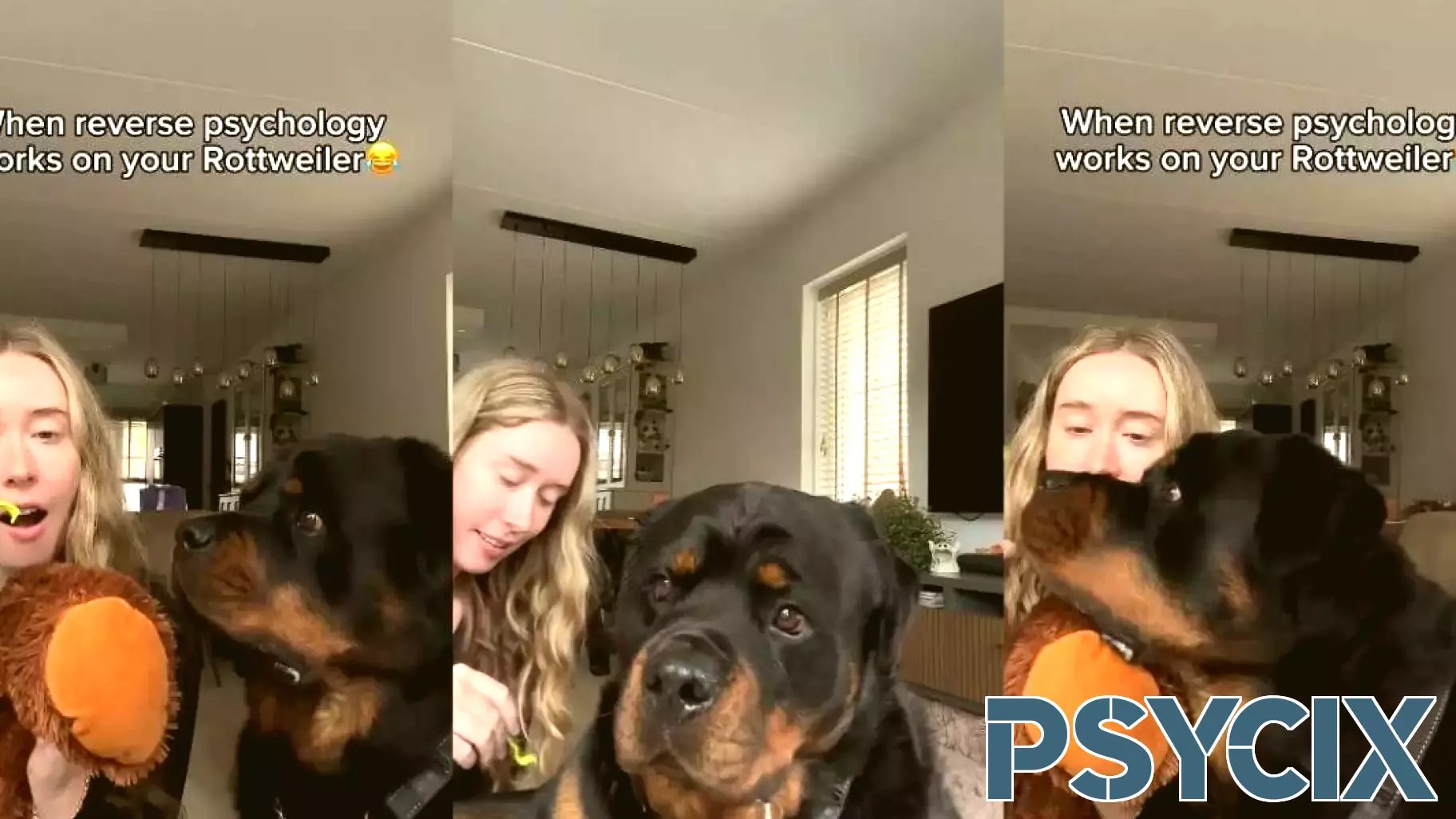
In a delightful display of canine humor, a dog owner has captured the hearts of many by using "reverse psychology" on her Rottweiler to help remove pesky ticks. In a recent Instagram video, the owner cleverly pretends to offer a treat to her beloved pet, only to reveal her true intention of checking for ticks. The Rottweiler, known for its loyalty and intelligence, is initially confused but quickly catches on to the playful ruse.
As the video unfolds, viewers can see the Rottweiler's expressions shift from curiosity to realization. The owner’s lighthearted approach not only showcases the bond between them but also highlights the importance of tick prevention for pets. This entertaining interaction has resonated with dog lovers everywhere, sparking laughter and admiration for the owner's creativity. The video serves as a reminder of the unique ways pet owners can engage with their furry friends while tackling important health issues.
MORE NEWS

October 9, 2026 - 01:11
Psychology Professors Raise Concerns About AI Dependence in StudentsPsychology professors are expressing growing concern that students` increasing reliance on artificial intelligence tools may be weakening essential cognitive and academic skills. In a recent...

October 8, 2026 - 15:57
Imitation Is How Children Learn More Than Just WordsWhen a toddler suddenly starts echoing a parent`s words, facial expressions or gestures, it can look like simple mimicry. Developmental psychology research, however, shows that imitation is closely...
October 7, 2026 - 21:42
Geisinger Excited About Teaching at SCCKate Geisinger has joined Southeastern Community College as a full-time psychology instructor, bringing with her a strong commitment to student learning and intellectual growth. Geisinger says her...

October 7, 2026 - 03:39
Associate professor of psychology brings evidence-based mental wellness support directly to college studentsKaileigh Byrne, Wallace R. Roy Distinguished Associate Professor of psychology in the College of Behavioral, Social and Health Sciences, has spent years studying how people make decisions under...