Cierra Reeves: A Non-Traditional Student Excelling in Psychology and Aging Services
February 27, 2025 - 20:21

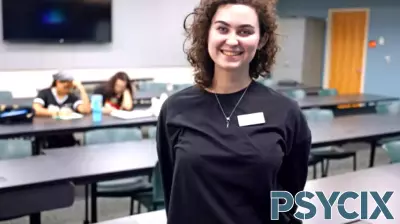
Cierra Reeves is a non-traditional student pursuing a psychology major, complemented by a minor in aging services. Her unique educational journey reflects a growing interest in understanding the complexities of aging and the psychological support needed for older adults. As she navigates her studies, Cierra has developed a passion for enhancing the quality of life for seniors, aiming to bridge the gap between mental health and aging.
Cierra's commitment to her field is evident in her active participation in various projects and initiatives focused on aging populations. She believes that psychology plays a crucial role in addressing the emotional and mental health challenges faced by the elderly. By combining her knowledge of psychology with her focus on aging services, Cierra is preparing herself for a career that will allow her to make a meaningful impact in the community.
Her journey serves as an inspiration to other non-traditional students, showcasing that diverse educational paths can lead to fulfilling careers in specialized fields. Cierra Reeves is poised to become a valuable advocate for mental health in aging services, demonstrating the importance of understanding the psychological needs of older adults.
MORE NEWS

October 8, 2026 - 15:57
Imitation Is How Children Learn More Than Just WordsWhen a toddler suddenly starts echoing a parent`s words, facial expressions or gestures, it can look like simple mimicry. Developmental psychology research, however, shows that imitation is closely...
October 7, 2026 - 21:42
Geisinger Excited About Teaching at SCCKate Geisinger has joined Southeastern Community College as a full-time psychology instructor, bringing with her a strong commitment to student learning and intellectual growth. Geisinger says her...

October 7, 2026 - 03:39
Associate professor of psychology brings evidence-based mental wellness support directly to college studentsKaileigh Byrne, Wallace R. Roy Distinguished Associate Professor of psychology in the College of Behavioral, Social and Health Sciences, has spent years studying how people make decisions under...

October 6, 2026 - 01:22
Inside the Mind: How SailGP Teams Handle Pressure and Build Winning CulturesThe human side of elite sailing takes center stage in the newest chapter of SailGP`s documentary series Racing on the Edge, created alongside Rolex. This installment shifts focus away from boat...