Bully Ray Sheds Light on Classic Wrestling Psychology in WWE Raw Main Event
June 17, 2025 - 02:28
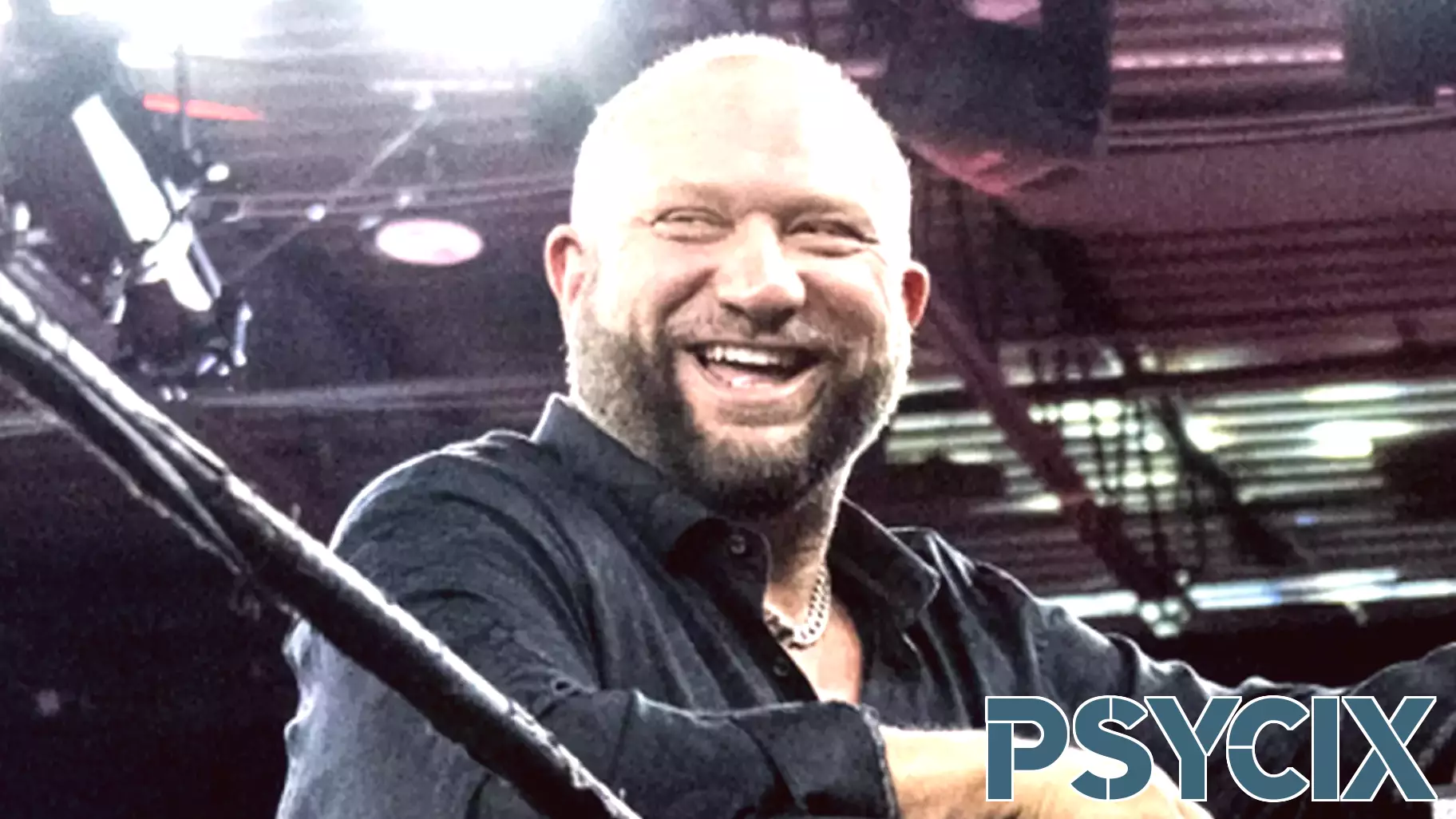
Bully Ray recently shared his thoughts on the "old school psychology" displayed during the main event of WWE Raw, where Gunther faced off against Jey Uso for the World Heavyweight Title. The match, which captivated audiences with its storytelling and character development, showcased elements that Ray believes are often overlooked in modern wrestling.
Ray emphasized the importance of psychology in wrestling, arguing that it is crucial for creating compelling narratives that resonate with fans. He pointed out that both competitors effectively built tension and drama throughout the match, drawing the audience into the storyline. The pacing, timing, and emotional investment demonstrated by Gunther and Uso were reminiscent of classic wrestling matches that prioritized storytelling over high-flying maneuvers.
By highlighting these elements, Ray advocates for a return to traditional wrestling principles, suggesting that such an approach can enhance the overall experience for viewers. His insights reflect a growing appreciation for the art of wrestling storytelling, reminding fans and performers alike of the power of psychology in the ring.
MORE NEWS

October 8, 2026 - 15:57
Imitation Is How Children Learn More Than Just WordsWhen a toddler suddenly starts echoing a parent`s words, facial expressions or gestures, it can look like simple mimicry. Developmental psychology research, however, shows that imitation is closely...
October 7, 2026 - 21:42
Geisinger Excited About Teaching at SCCKate Geisinger has joined Southeastern Community College as a full-time psychology instructor, bringing with her a strong commitment to student learning and intellectual growth. Geisinger says her...

October 7, 2026 - 03:39
Associate professor of psychology brings evidence-based mental wellness support directly to college studentsKaileigh Byrne, Wallace R. Roy Distinguished Associate Professor of psychology in the College of Behavioral, Social and Health Sciences, has spent years studying how people make decisions under...
October 6, 2026 - 01:22
Inside the Mind: How SailGP Teams Handle Pressure and Build Winning CulturesThe human side of elite sailing takes center stage in the newest chapter of SailGP`s documentary series Racing on the Edge, created alongside Rolex. This installment shifts focus away from boat...