Book PreviewThe Psychology of AI Adoption at Work
August 25, 2026 - 04:25
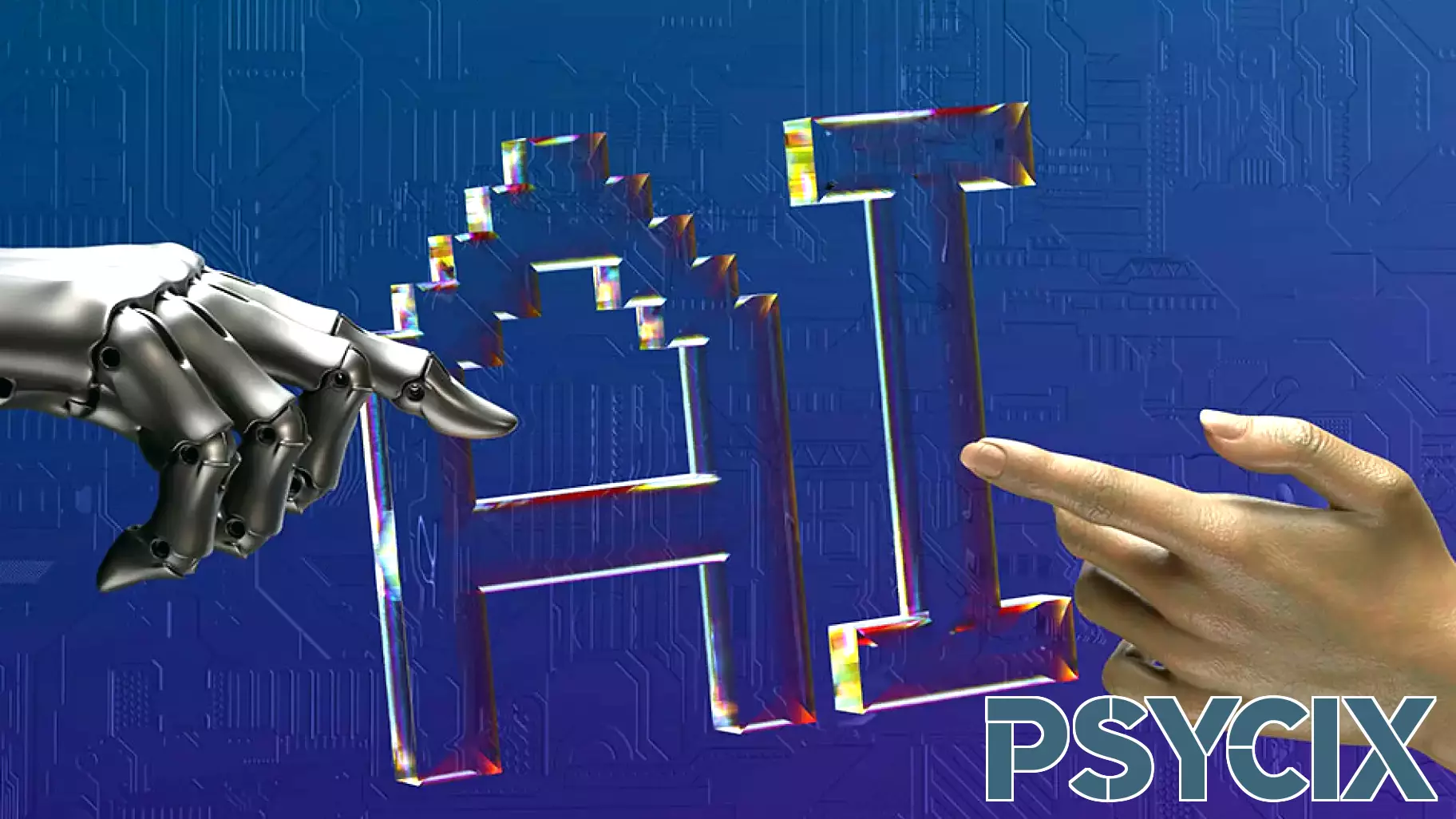
The ongoing AI boom seems to permeate, and sometimes call into doubt, every aspect of almost everybody's profession. But beyond the technical capabilities and the constant stream of product announcements, a quieter, more human battle is being fought. It is a battle taking place inside the heads of employees, managers, and executives. The real question is not whether the technology works, but whether the people who are supposed to use it actually will.
New research into the psychology of AI adoption suggests that the biggest obstacles are rarely about processing power or data quality. Instead, they are about trust, identity, and fear. Many workers see AI not as a tool, but as a judgment on their own skills. If a machine can draft a report, analyze a spreadsheet, or write code, what does that say about the value of the human who used to do that job? This existential anxiety often leads to passive resistance, where employees nod in meetings but quietly stick to their old workflows.
On the flip side, there is a growing group of "super users" who treat AI as a collaborator rather than a competitor. Their secret is not technical brilliance. It is a willingness to experiment and fail in low-stakes settings. They ask the machine for drafts, summaries, and even counterarguments, then use their own judgment to refine the output. For them, AI is less like a replacement and more like a tireless intern who never sleeps.
The key for organizations, then, is not more training on how to click buttons. It is creating a culture where using AI is seen as a sign of curiosity, not a sign of weakness. That means rewarding people for trying new prompts, sharing what works, and openly discussing the mistakes. Until the psychological contract shifts, no amount of software licenses will make the workforce truly automated. The future of work is not just an engineering problem. It is a people problem, and it starts with how we feel about our own jobs.
MORE NEWS
October 9, 2026 - 01:11
Psychology Professors Raise Concerns About AI Dependence in StudentsPsychology professors are expressing growing concern that students` increasing reliance on artificial intelligence tools may be weakening essential cognitive and academic skills. In a recent...

October 8, 2026 - 15:57
Imitation Is How Children Learn More Than Just WordsWhen a toddler suddenly starts echoing a parent`s words, facial expressions or gestures, it can look like simple mimicry. Developmental psychology research, however, shows that imitation is closely...
October 7, 2026 - 21:42
Geisinger Excited About Teaching at SCCKate Geisinger has joined Southeastern Community College as a full-time psychology instructor, bringing with her a strong commitment to student learning and intellectual growth. Geisinger says her...

October 7, 2026 - 03:39
Associate professor of psychology brings evidence-based mental wellness support directly to college studentsKaileigh Byrne, Wallace R. Roy Distinguished Associate Professor of psychology in the College of Behavioral, Social and Health Sciences, has spent years studying how people make decisions under...