Associate professor of psychology brings evidence-based mental wellness support directly to college students
October 7, 2026 - 03:39
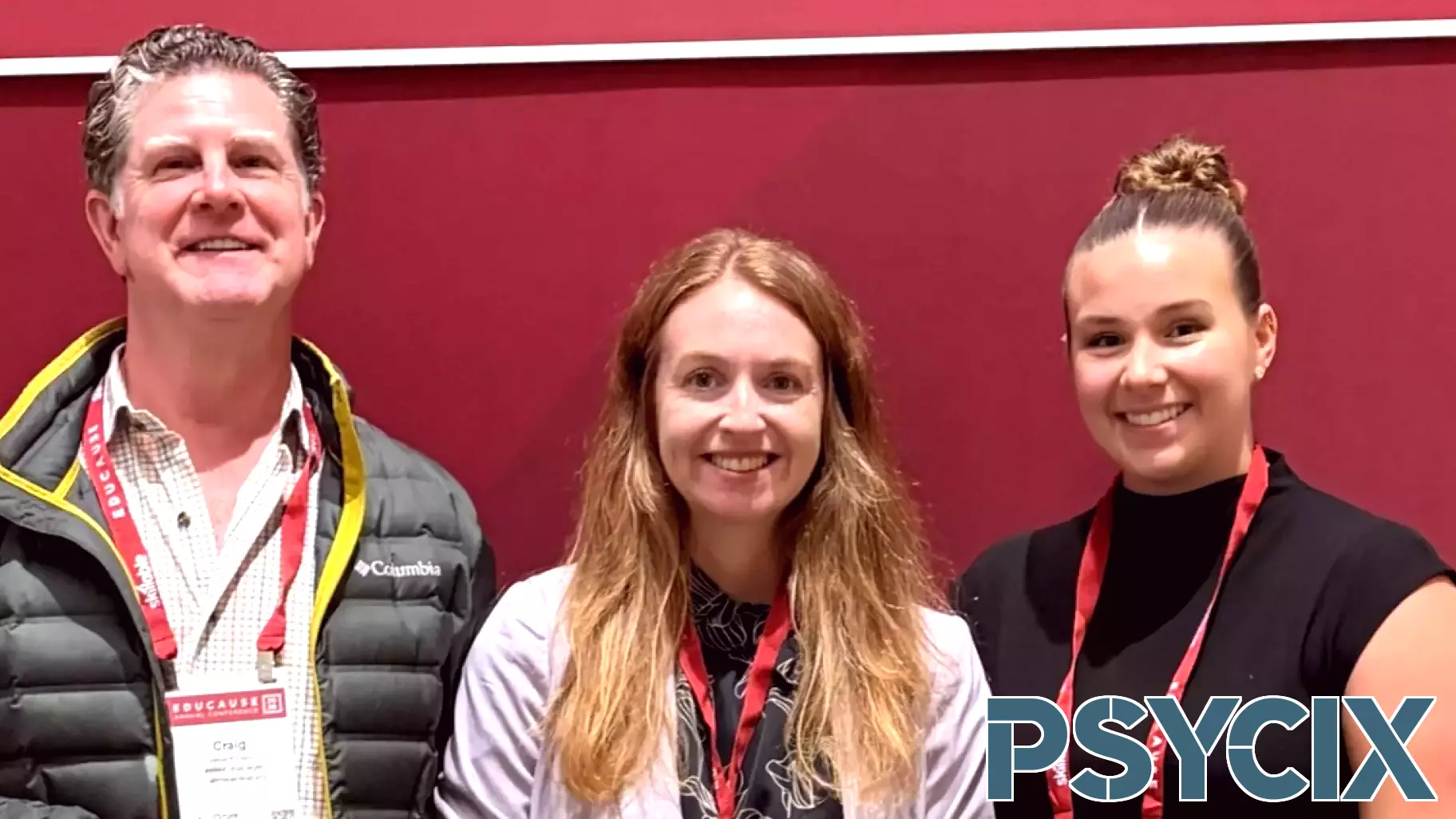
Kaileigh Byrne, Wallace R. Roy Distinguished Associate Professor of psychology in the College of Behavioral, Social and Health Sciences, has spent years studying how people make decisions under stress. Now she is using that knowledge to help students manage their mental health in real time, not months down the road.
Byrne noticed that traditional counseling services often come with waiting lists, paperwork, and scheduling hurdles that keep students from getting help when they need it most. So she built a different approach. Her program places evidence-based mental wellness tools directly into the spaces students already use every day, from classrooms to campus events to digital platforms.
The work focuses on practical skills. Students learn how to recognize early signs of burnout, reframe anxious thoughts, and build small habits that protect their well-being during demanding semesters. Sessions are short, repeatable, and grounded in research rather than vague encouragement.
Byrne said the goal is not to replace clinical care but to widen the front door. Many students never reach a counselor because they do not think their problems are serious enough. By meeting them earlier, the program aims to prevent small struggles from growing into crises.
Early feedback has been positive. Students report feeling more equipped to handle pressure and more willing to talk about mental health without shame. Byrne continues to collect data and refine the model, hoping it can be adapted at other colleges facing similar challenges.
MORE NEWS

October 6, 2026 - 01:22
Inside the Mind: How SailGP Teams Handle Pressure and Build Winning CulturesThe human side of elite sailing takes center stage in the newest chapter of SailGP`s documentary series Racing on the Edge, created alongside Rolex. This installment shifts focus away from boat...

October 5, 2026 - 16:02
‘No Accountability, No Justice, and No Integrity’A bipartisan federal advisory committee has recommended that the U.S. Department of Education suspend its recognition of the American Psychological Association`s accrediting body, citing what...

October 4, 2026 - 17:27
Our Stone Age Minds Are Still EvolvingRecent genetic evidence suggests that our Stone Age brains have evolved since the Neolithic began, and that they are evolving now. For a long time, many researchers assumed that human cognition...

October 4, 2026 - 06:25
Why People Who Stop Seeking Approval Keep Quiet About These Personal ThingsPeople who have stopped chasing approval tend to share less about themselves, and the change is not about secrecy. It is about where the validation comes from. For them, the proof is in the...