AI Unleashes New Anti-Cancer Drug Candidates Using Quantum Computing
February 11, 2025 - 06:53

In a groundbreaking development, researchers have harnessed the power of artificial intelligence combined with quantum computing to identify potential anti-cancer drug candidates. This innovative approach targets proteins that have long been deemed difficult to influence with traditional pharmacological methods.
By employing advanced algorithms, the AI system analyzes complex molecular interactions at an unprecedented scale, enabling it to predict how new molecules could interact with specific cancer-related proteins. The integration of quantum computing significantly enhances the speed and accuracy of these predictions, allowing scientists to explore a vast array of molecular structures that were previously out of reach.
This technique not only accelerates the drug discovery process but also opens up new avenues for treating cancers that have resisted conventional therapies. The implications for personalized medicine are profound, as these AI-generated molecules could lead to more effective and tailored treatments for patients. As research continues, the potential to revolutionize cancer therapy appears increasingly promising, with the hope of improving survival rates and quality of life for those affected by this devastating disease.
MORE NEWS

October 8, 2026 - 15:57
Imitation Is How Children Learn More Than Just WordsWhen a toddler suddenly starts echoing a parent`s words, facial expressions or gestures, it can look like simple mimicry. Developmental psychology research, however, shows that imitation is closely...
October 7, 2026 - 21:42
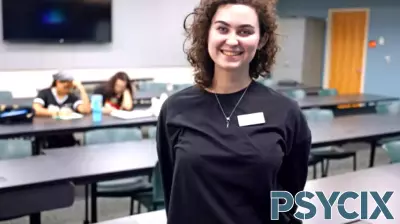
Geisinger Excited About Teaching at SCCKate Geisinger has joined Southeastern Community College as a full-time psychology instructor, bringing with her a strong commitment to student learning and intellectual growth. Geisinger says her...

October 7, 2026 - 03:39
Associate professor of psychology brings evidence-based mental wellness support directly to college studentsKaileigh Byrne, Wallace R. Roy Distinguished Associate Professor of psychology in the College of Behavioral, Social and Health Sciences, has spent years studying how people make decisions under...

October 6, 2026 - 01:22
Inside the Mind: How SailGP Teams Handle Pressure and Build Winning CulturesThe human side of elite sailing takes center stage in the newest chapter of SailGP`s documentary series Racing on the Edge, created alongside Rolex. This installment shifts focus away from boat...