Addressing Political Bias in Psychology: A Call for Authentic Understanding
March 8, 2025 - 00:03

In the tumultuous backdrop of 2020, a poignant case stands out—a severely ill young woman who identified with “they/them” pronouns. This situation highlighted a significant challenge within the field of psychology: the need to navigate personal biases while providing effective care. The process of understanding the patient’s illness and creating a coherent treatment plan was complicated by the intense emotions expressed by students, whose reactions often overshadowed the clinical needs of the case.
This scenario underscores the importance of fostering an environment where psychological practitioners can engage with patients authentically, free from the constraints of political bias. It is essential for professionals in the field to reconnect with the core principles of empathy and understanding, focusing on the individual's experiences rather than allowing external ideologies to dictate clinical practice.
As the field moves forward, it is crucial for psychologists to prioritize genuine human connection, ensuring that treatment is rooted in reality and compassion, ultimately benefiting those they serve.
MORE NEWS

October 8, 2026 - 15:57
Imitation Is How Children Learn More Than Just WordsWhen a toddler suddenly starts echoing a parent`s words, facial expressions or gestures, it can look like simple mimicry. Developmental psychology research, however, shows that imitation is closely...
October 7, 2026 - 21:42
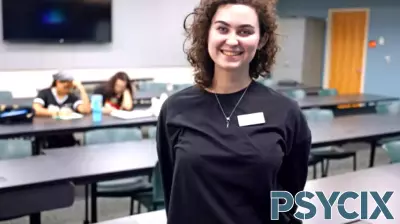
Geisinger Excited About Teaching at SCCKate Geisinger has joined Southeastern Community College as a full-time psychology instructor, bringing with her a strong commitment to student learning and intellectual growth. Geisinger says her...

October 7, 2026 - 03:39
Associate professor of psychology brings evidence-based mental wellness support directly to college studentsKaileigh Byrne, Wallace R. Roy Distinguished Associate Professor of psychology in the College of Behavioral, Social and Health Sciences, has spent years studying how people make decisions under...

October 6, 2026 - 01:22
Inside the Mind: How SailGP Teams Handle Pressure and Build Winning CulturesThe human side of elite sailing takes center stage in the newest chapter of SailGP`s documentary series Racing on the Edge, created alongside Rolex. This installment shifts focus away from boat...