According to Psychology, People Who Always Keep a Tidy Home Share One Hidden Personality Trait Most Never Notice
October 11, 2026 - 03:20
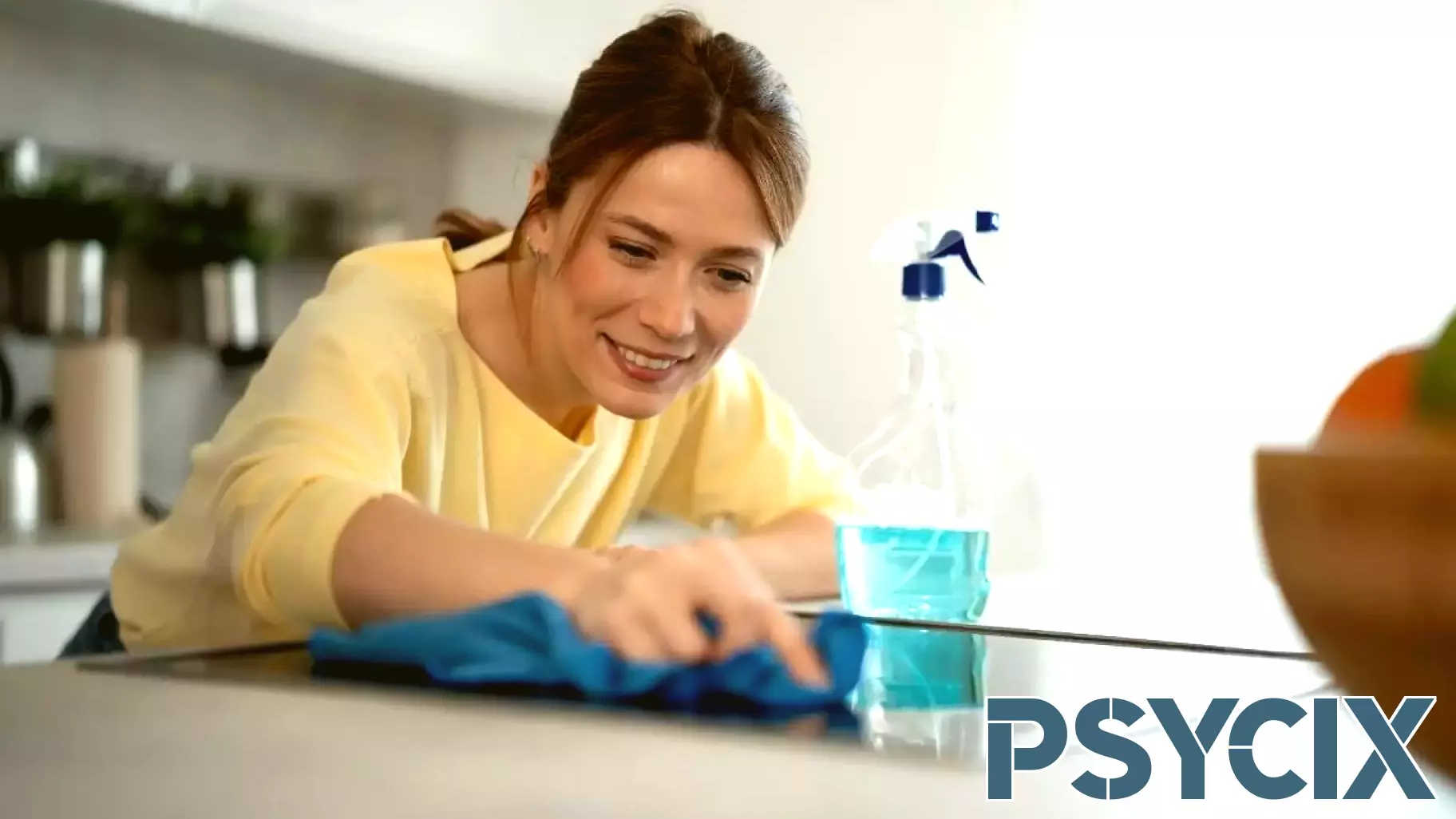
You walk through your front door and everything is exactly where you left it. The throw pillows sit at perfect angles, the kitchen counter gleams, and not a single stray shoe clutters the hallway. Maybe you are that person, or maybe you know someone who seems almost magnetically drawn to maintaining a spotless living space. According to psychology, this habit might point to something deeper than simple cleanliness.
Researchers suggest that people who consistently keep a tidy home often share a hidden personality trait: a strong need for control over their environment. This does not mean they are rigid or anxious. Instead, it reflects a quiet desire to create order in a world that often feels unpredictable. For them, a clean space is not about appearances. It is about feeling grounded and secure.
Studies on personality and behavior show that tidiness can be linked to conscientiousness, one of the big five traits. People high in this trait tend to be organized, dependable, and goal oriented. They plan ahead and follow through. Their homes mirror this inner structure. A made bed or an empty sink becomes a small daily victory.
But there is another layer. Some psychologists note that keeping a tidy home can also serve as a coping mechanism. When life feels chaotic, controlling what you can, like your living room, offers a sense of calm. It is a way to manage stress without saying a word.
So the next time you notice someone with a perfectly arranged bookshelf, remember this. Their tidy home may not be about perfection. It may be a quiet signal of a mind that values order, stability, and a sense of personal command.
MORE NEWS

October 10, 2026 - 09:19
Psychology says toddlers who hide behind your legs but keep peeking at guests may be managing two competing feelingsThere is a familiar scene at family gatherings. The door opens, relatives arrive, and a toddler who was happily playing a moment ago suddenly moves behind a parent`s legs. But then something...

October 9, 2026 - 21:25
Psychologist reveals 'neurological' cause of Trump’s on-camera 'microsleep'President Donald Trump has repeatedly been caught on video appearing to doze off during meetings and public events, and one medical expert argues the explanation goes beyond simple fatigue....

October 9, 2026 - 01:11
Psychology Professors Raise Concerns About AI Dependence in StudentsPsychology professors are expressing growing concern that students` increasing reliance on artificial intelligence tools may be weakening essential cognitive and academic skills. In a recent...

October 8, 2026 - 15:57
Imitation Is How Children Learn More Than Just WordsWhen a toddler suddenly starts echoing a parent`s words, facial expressions or gestures, it can look like simple mimicry. Developmental psychology research, however, shows that imitation is closely...