A Week of Disconnection: Perception of Time vs. Reality
April 23, 2025 - 11:23

Our brains play a crucial role in shaping our understanding of time, often measuring it through the accumulation of experiences. This week, many have reported feeling a significant disconnect between their perception of time and the actual calendar days. As events unfold rapidly, our experiences seem to stretch or compress time, leading to confusion about how long ago certain occurrences took place.
The phenomenon can be attributed to a variety of factors, including heightened emotional experiences and the saturation of daily life with news and social interactions. When significant events happen in quick succession, our minds may interpret this flurry of activity as a longer duration, making the days seem to blend together.
As we navigate through these tumultuous times, it’s essential to recognize how our experiences shape our understanding of time. This week has certainly been one for the books, leaving many to wonder where the days have gone and how we can regain a sense of temporal stability.
MORE NEWS

October 9, 2026 - 01:11
Psychology Professors Raise Concerns About AI Dependence in StudentsPsychology professors are expressing growing concern that students` increasing reliance on artificial intelligence tools may be weakening essential cognitive and academic skills. In a recent...

October 8, 2026 - 15:57
Imitation Is How Children Learn More Than Just WordsWhen a toddler suddenly starts echoing a parent`s words, facial expressions or gestures, it can look like simple mimicry. Developmental psychology research, however, shows that imitation is closely...
October 7, 2026 - 21:42
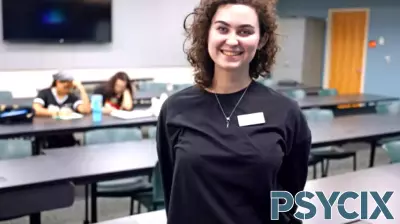
Geisinger Excited About Teaching at SCCKate Geisinger has joined Southeastern Community College as a full-time psychology instructor, bringing with her a strong commitment to student learning and intellectual growth. Geisinger says her...

October 7, 2026 - 03:39
Associate professor of psychology brings evidence-based mental wellness support directly to college studentsKaileigh Byrne, Wallace R. Roy Distinguished Associate Professor of psychology in the College of Behavioral, Social and Health Sciences, has spent years studying how people make decisions under...