10 Signs Of Deep Commitment In A Relationship, By A Psychologist
May 12, 2026 - 12:38

New research in relationship psychology suggests that grand romantic gestures are not the strongest indicators of lasting commitment. Instead, deep commitment shows itself through small, repeated behaviors that quietly build trust, intimacy and long-term stability over time.
One key sign is consistency in everyday actions. When a partner reliably follows through on small promises, like picking up groceries or calling when they say they will, it creates a foundation of safety. Another sign is the willingness to repair after conflict. Psychologists note that couples who stay committed do not avoid arguments; they actively work to reconnect afterward, showing that the relationship matters more than being right.
A third indicator is emotional availability. Deeply committed partners share their inner world, including fears and vulnerabilities, without fear of judgment. They also make space for their partner's growth, even when it means temporary distance. For example, supporting a partner's career change or personal hobby, even if it disrupts routine, signals a commitment to the person, not just the comfort of the relationship.
Other subtle signs include prioritizing quality time over distractions, remembering small details about each other's lives, and showing physical affection without expecting something in return. Partners in committed relationships also tend to use "we" language when discussing the future, and they handle external stress as a team rather than turning on each other.
Finally, a deep commitment is visible in how partners speak about each other when the other is not present. Respectful, positive references in private conversations reveal that the bond is valued even outside direct interaction. These small, consistent behaviors, researchers argue, are more reliable predictors of lasting partnership than any single dramatic declaration of love.
MORE NEWS

September 24, 2026 - 03:16
Mental Flexibility Beats Willpower For Long Term GoalsPsychologists are now finding that mental flexibility, not pushing through at all costs, is the real key to perseverance. For years, popular advice treated willpower like a muscle that simply...

September 23, 2026 - 00:34
Early Trauma Tied to Unhealthy Choices in Teen YearsYoung people who endure traumatic events in childhood may face a higher chance of adopting harmful habits as they move through their teenage years. Research points to a clear connection between...

September 22, 2026 - 00:20
Machine Learning Model Identifies Psychological Resilience Levels in Health Care Workers With 75 Percent AccuracyA study published in Discover Artificial Intelligence used logistic regression, random forest and support vector machine (SVM) to classify health care workers according to their level of...
September 21, 2026 - 19:38
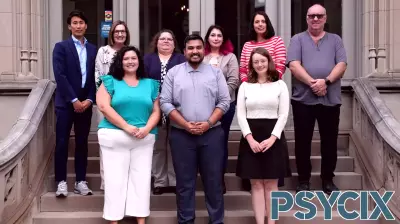
Wilkes University Adds 13 New Faculty Members Across Three CollegesWilkes University has added 13 new faculty members to its ranks for the fall semester, strengthening programs across three of its colleges. The hires span the Bing K. Wong College of Arts and...