Why We Fall in Love: The Science Behind Attraction
16 September 2026
Ah, love. That magical, mysterious force that makes our hearts race, our palms sweat, and our playlists turn suspiciously sappy. Whether it hits like a lightning bolt or sneaks up like your favorite rom-com, falling in love is something most of us have experienced—or at least dreamt about during a Netflix binge.
But have you ever paused mid-swoon and wondered, "Why do we fall in love in the first place?" Is it just chemistry, fate, or something deeper rooted in our biology and psychology?
Well, buckle up, lovebirds. We’re about to peel back the petals of romance and dive into the juicy science behind why we fall in love.
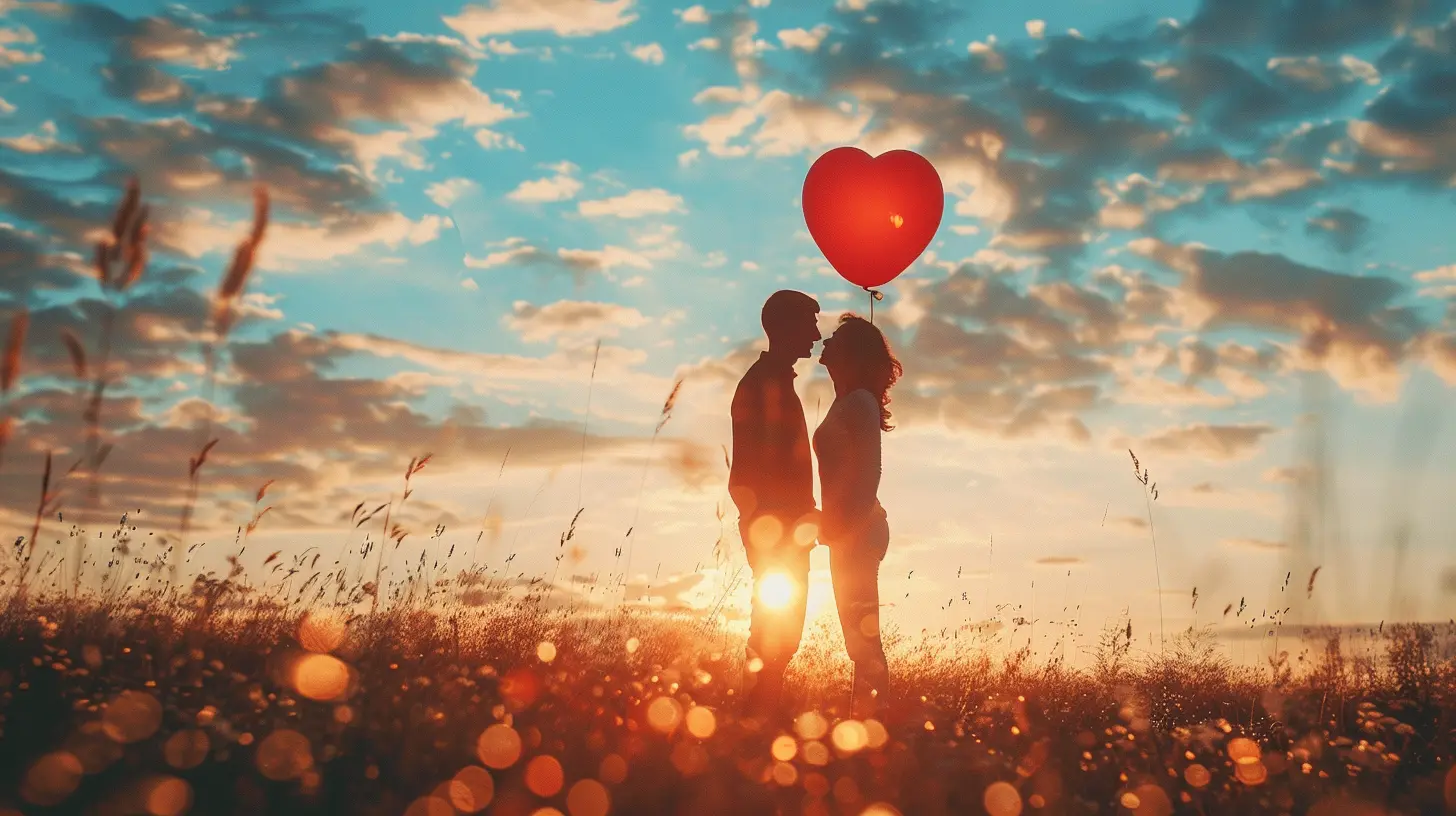
What Even Is Love? (Baby, Don’t Hurt Me)
Before we get all heart-eyed, let’s start with some basics. Love isn’t just a feeling—it’s a complex cocktail of emotions, behaviors, and biochemical reactions.We’re talking about a combination of:
- Emotional bonding
- Physical attraction
- Social compatibility
- Evolutionary survival strategies
Basically, love is our mind, body, and DNA all doing the Cupid Shuffle together.
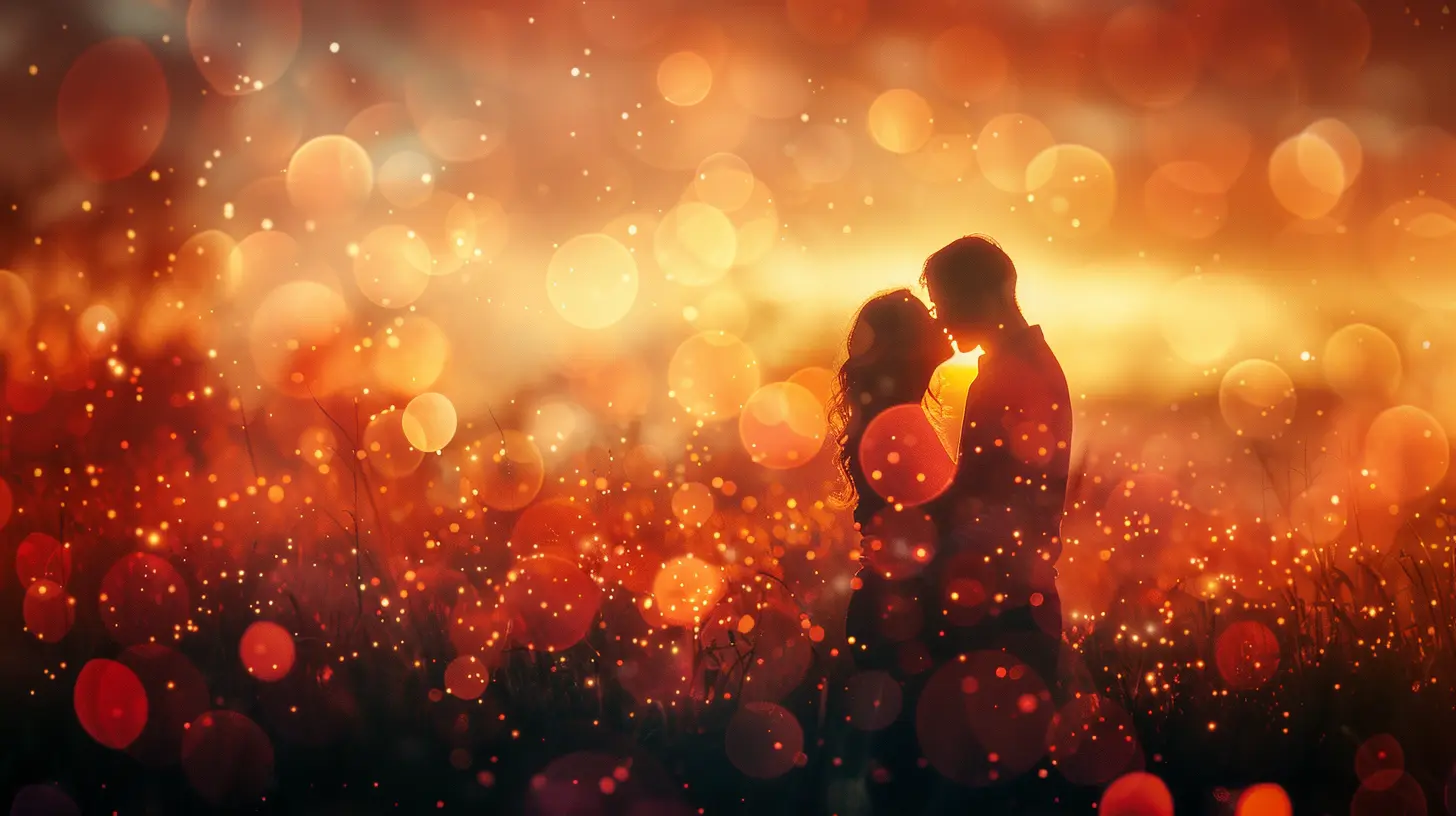
The Brain on Love: It’s Basically on Drugs
Ever feel euphoric in a new relationship? Like you’re floating? That’s not just butterflies—that’s your brain throwing a full-blown neurological rave.Here’s what’s going on upstairs:
1. Dopamine – The Pleasure Junkie
Dopamine is the brain’s version of a standing ovation. It gets released when you do something rewarding—like eating cake, listening to your favorite song, or texting your crush back and forth at 2 AM.When you’re falling in love, dopamine levels skyrocket, making your new boo seem more delicious than a triple-chocolate brownie.
2. Oxytocin – The Cuddle Hormone
Nicknamed the “love hormone,” oxytocin surges when you hug, kiss, or… you know… get intimate. It’s responsible for bonding and trust.It’s like emotional Velcro: the more oxytocin, the more bonded you feel. No wonder cuddling after a date makes you feel all warm and gooey inside.
3. Serotonin – The Obsessive One
While dopamine amps you up, serotonin... drops. Weird, right? When you’re falling for someone, serotonin can dip, similar to OCD patients. That’s why early-stage love can make you obsessively think about someone non-stop, even when you’re supposed to be working (oops).4. Norepinephrine – The Energy Shot
Ever felt like you could run a marathon when you're in love? You can thank norepinephrine for that. It boosts alertness, energy, and focus—basically turning you into a hyper, heart-eyed superhero.
Physical Attraction: More Than Just Looks (But Let's Be Honest, Looks Help)
Let’s not beat around the bush—initial attraction often has a lot to do with appearances. Science calls this "physical attractiveness," we call it “wow, they fine.”But it’s not all about symmetry and six-packs. Our brains are sneakily analyzing a whole list of traits. Here’s how:
1. Facial Symmetry
According to studies, symmetrical faces are subconsciously seen as more attractive. Why? Because symmetry is often a sign of good health and strong genetics. Your brain’s got its own beauty radar, and it’s ruthless.2. Voice and Scent: The Silent Flirts
Ever been drawn to someone’s voice or how they smell? That’s not random.- Voice: Deeper voices in men and softer tones in women have been associated with higher attraction levels.
- Scent: Our noses pick up on pheromones—chemical signals that influence who we find attractive—without us even knowing. It’s like Tinder, but biological.
3. The "Halo Effect"
If someone’s attractive, we tend to assume they’re also kind, smart, and have their life together (even if they don’t). That’s the “halo effect,” and yes, it can make you fall for people who own three succulents and no bed frame.
Psychological Attraction: When Minds Mingle
Love isn’t just about sparks—sometimes, it’s more like a slow burn fueled by intellect, humor, and compatibility.1. Similarity Breeds Connection
Contrary to the "opposites attract" myth, many studies find that we’re more likely to fall for people who share our values, interests, and worldview. Maybe you both love vintage bookstores and can’t stand pineapple on pizza—boom, rapport!2. Proximity and Familiarity
The more you're around someone, the more likely you are to develop feelings. It’s called the "mere exposure effect," and it explains why you might've started crushing on your coworker after six months in the same Zoom meetings.3. The Role of Timing
Ever notice how sometimes, you meet the right person at the wrong time? Psychology says timing plays a huge role. If we’re emotionally ready, open to intimacy, and feeling secure, we're more likely to fall in love. If not? Even Prince Charming might get friend-zoned.Attachment Styles: Your Love Language’s Cousin
How we connect with others in romantic relationships often stems from our early experiences with caregivers. This forms our attachment style, and it can shape our entire love life.The Big Four Styles:
1. Secure – Comfortable with intimacy, trusting, and open.2. Anxious – Clingy, fears abandonment, overthinks texts.
3. Avoidant – Struggles with closeness, emotionally distant.
4. Fearful-Avoidant – Wants love but fears getting hurt.
Understanding your style can help you understand why you fall the way you do—and why you sometimes crash and burn.
Cultural and Social Influences: Love in the Time of Memes
Let’s not ignore the world around us. Culture, media, and even social media play huge roles in shaping how we perceive love.- Movies and TV often promote idealized versions of romance (thanks, Disney).
- Social Media creates FOMO and unrealistic couple goals.
- Society’s Timeline nudges us to “settle down” by a certain age.
All these factors can add pressure, sway our preferences, or make us fall hard (and sometimes fast) just to meet expectations.
Evolution: Love's Ancient Purpose?
Okay, let’s take a trip back… way back.From an evolutionary standpoint, falling in love wasn’t about matching Spotify playlists. It was about survival and reproduction.
- Pair Bonding: Love helped our ancestors form strong partnerships, making it easier to raise offspring.
- Protection: Individuals in love are likely to defend each other, strengthening community ties.
- Genetic Diversity: We’re wired to find mates with complementary immune systems. Yes, love is also nature doing matchmaking—immune system edition.
So, love may feel poetic, but deep down, it served a very primal function.
The Little Things That Make Us Swoon
Science and psychology aside, sometimes love just happens—and it's rooted in tiny, quirky moments.- Shared laughter over a dumb joke
- Helping each other parallel park
- Making each other’s coffee just right
- That adorable way they say “peculiar”
Love is often in the details, and science hasn’t quite figured out all of them yet. (Looking at you, inexplicable crush on someone who double texts.)
Final Thoughts: A Dance of Biology, Psychology, and Magic
Falling in love might begin with a rush of chemicals, a stolen glance, or a shared Spotify Wrapped—but it’s maintained by connection, understanding, and a bit of vulnerability.So whether you’re swiping right, navigating your first relationship, or enjoying the honeymoon phase of love for the 20th time, know this: love is part science, part art, and a whole lot of “you just know when you know.”
And honestly, would we really want it any other way?
all images in this post were generated using AI tools
Category:
Psychology Of LoveAuthor:

Christine Carter