Why Psychological Assessments Are Crucial in Crisis Interventions
8 August 2026
Let’s get one thing straight—crisis doesn’t wait for anyone. It comes crashing into people’s lives like a hurricane, often leaving chaos in its wake. Whether it’s a mental health breakdown, a traumatic event, or a sudden loss, crisis situations demand swift, clear-headed action. But here's the million-dollar question: how do we know what action to take?
That’s where psychological assessments storm into the picture like superheroes with clipboards.
What Exactly Are Psychological Assessments?
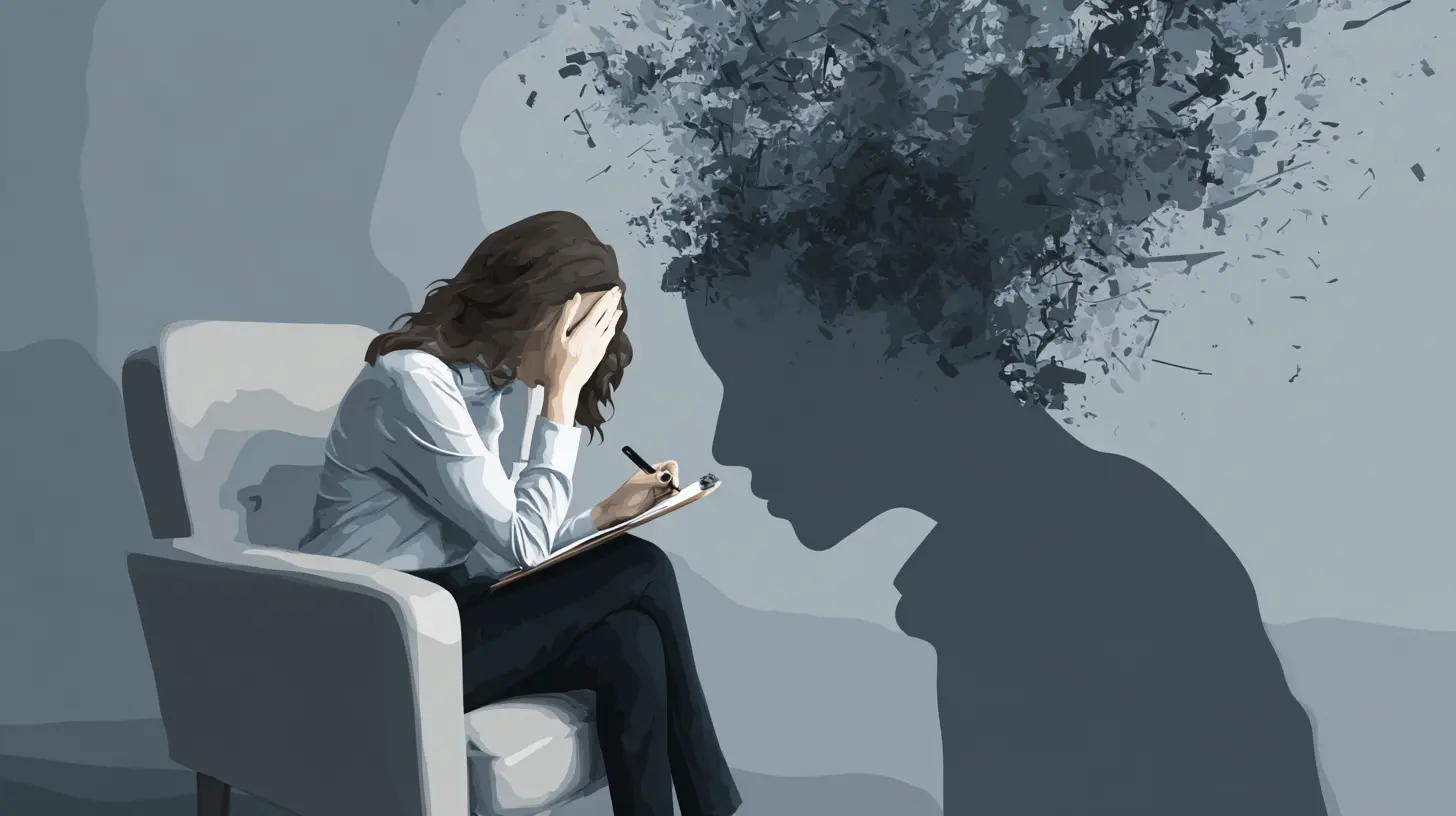
Okay, let’s break it down. Psychological assessments are tools (think questionnaires, interviews, observations, and tests) designed to understand a person’s thoughts, emotions, behaviors, and mental health in a structured way. It’s not about slapping on labels or passing judgment. It’s about gaining insight into what's really going on beneath the surface.Imagine trying to treat an infection without knowing what kind of bacteria you’re dealing with. Sounds sketchy, right? That’s what crisis interventions would look like without psychological assessments—just guesswork.

Crisis Interventions: High Stakes, Zero Room for Error
When someone is in crisis—whether it's suicidal ideation, severe anxiety, psychosis, or a PTSD episode—time is of the essence. Emotions are high, clarity is low, and there’s a lot at stake. You can’t just throw spaghetti at the wall and see what sticks. You need a clear plan. And for that plan to actually help, it has to be rooted in accurate information.Psychological assessments cut through the noise and give professionals a roadmap. They reveal patterns, risks, strengths, and gaps that might never surface in ordinary conversation.

Why ‘Winging It’ Just Doesn’t Cut It
Let’s be real—crisis situations are messy. But relying solely on gut instinct or surface-level observations? That’s like trying to fix a leaky pipe with duct tape. Sure, it might work for a second, but things are gonna burst eventually.Assessments give clinicians a firm foundation. They bring objectivity into a very subjective space. Instead of assuming why someone is in distress, assessments help professionals pinpoint the actual causes and tailor the intervention to fit.
The Power of Accurate Diagnosis
Let’s talk diagnosis for a sec. A lot of people think diagnosing someone is just a fancy label. But it’s actually a roadmap for treatment. You wouldn’t treat bipolar disorder the same way you’d treat generalized anxiety disorder, even though both might look similar in a crisis.A solid psychological assessment helps differentiate between overlapping symptoms. Is the person confused because of trauma? Or are they experiencing early signs of schizophrenia? These aren’t small details—they’re life-altering distinctions. The right diagnosis leads to the right intervention, which leads to real healing.
Spotting Red Flags Before They Turn Into Alarms
Another big win for psychological assessments? Risk management.Let’s say someone walks into an emergency room after a panic attack. You talk to them, they seem okay now, and they say they don’t feel suicidal. All good, right?
Not necessarily.
A psychological assessment digs deeper. It might reveal intense hopelessness, intrusive thoughts, or plans for self-harm that the person didn’t mention or even fully recognize. Sure, they "seem fine" now—but the assessment tells us whether that’s just the calm before another storm.
This ability to see red flags before they turn into blaring alarms can literally save lives.
Personalized Interventions, Not One-Size-Fits-All
Ever tried on a “one size fits all” shirt that didn’t fit anyone? That’s what generic crisis interventions feel like to someone in real psychological pain.Psychological assessments allow interventions to be customized like a tailored suit. They reveal what coping mechanisms a person already has, what support systems they can lean on, and what kind of treatment will actually resonate.
For instance, two people might go through the exact same traumatic event, but their reactions and needs can be polar opposites. One might need EMDR therapy, while the other responds better to cognitive-behavioral therapy (CBT). Without an assessment, that distinction gets lost—and so does the opportunity for truly effective help.
Supporting First Responders and Clinicians in the Field
Let’s talk about the real-world heroes—crisis counselors, therapists, nurses, and first responders. These folks are often the first to encounter people in critical states. High-pressure? You bet.Now imagine you’re a crisis worker trying to help someone spiraling out of control. You’ve got a small window to figure out what’s going on and how to help. That’s where structured assessments become lifesavers. They provide a system—a checklist, a guide, a sanity-saver. It streamlines the chaos and gives professionals a language and framework to understand, assess, and act fast.
Bottom line? Assessments aren’t just helpful—they’re essential tools for those on the front lines.
Getting Beyond the Surface: The Subtleties of Mental Health
Let’s not pretend for a second that people always speak plainly about what they're going through. Sometimes they don’t know how. Other times, they just can’t.Here’s the kicker—people in crisis often present in unexpected ways. A teen experiencing depression might seem angry and aggressive. A trauma survivor could appear disoriented or paranoid. If you only take things at face value, you risk missing the real story.
That’s why assessments go beyond the surface. They help uncover the hidden patterns—what’s being said between the lines. Like an X-ray for the mind, they reveal what the naked eye can’t.
The Role of Cultural Competency in Assessments
Pause for a moment and think about this—mental health isn’t one-size-fits-all, especially when it comes to culture. What looks like detachment in one culture might be seen as a sign of respect in another. Assessments that don’t take cultural context into consideration can lead to misinterpretation and mistreatment.Thankfully, culturally competent psychological assessments exist. These tools are sensitive to different worldviews, communication styles, and cultural expressions of distress. That’s not just nice to have—it’s absolutely crucial, especially in diverse crisis situations.
The Legal and Ethical Bottom Line (Yep, It Matters)
Now, let’s not skirt around the serious stuff. In many crisis intervention settings—like hospitals, schools, or law enforcement—professionals are held to legal and ethical standards. If you make a decision in a crisis without adequate assessment, you could be crossing some dangerous lines.Assessments provide documentation, clarity, and justification for actions taken. If a decision is ever questioned (by a parent, a lawyer, the courts, or even an oversight board), a good psychological assessment can be your safety net. It shows due diligence, professional integrity, and adherence to best practices.
Psychological Assessments in Action: Real-World Impact
Let’s bring it home with some real-world application.Picture this: A college student is found wandering, disoriented, and muttering to themselves. Campus security intervenes, and the student becomes aggressive. Without an assessment, they could be labeled a danger and possibly arrested.
But a quick psychological evaluation reveals a different story. The student is actually in the midst of a manic episode related to bipolar disorder. They’re not a threat—they need medical intervention. That assessment? It changes everything. Instead of handcuffs, they get care. Instead of criminal charges, they get a diagnosis and a treatment plan.
This isn’t just theory. This happens every single day. Assessments aren’t optional—they’re transformative.
A Wake-Up Call for the Mental Health Field
If you're in the mental health field and you're not using psychological assessments in your crisis interventions, this is your wake-up call.It’s 2024. We know more than ever about the human brain, trauma, and mental illness. Ignoring the tools we have at our disposal is not just outdated—it’s irresponsible.
Crisis interventions are high-stakes scenarios. They require precision, compassion, and competence. Psychological assessments provide all three. They’re not just checkboxes or bureaucratic red tape—they’re the key to doing this work well.
Final Thoughts: No More Guessing Games
Crisis doesn’t give second chances. When someone’s life, safety, or psychological well-being is on the line, we can’t afford to operate on assumptions or outdated instincts. Psychological assessments bring data, structure, and insight to the most chaotic moments.They empower clinicians, protect individuals, and make real healing possible.
So the next time someone says assessments are just paperwork, hit them with this truth: without assessments in crisis interventions, we’re not helping—we’re gambling. And in mental health? That’s a risk we can’t afford to take.
all images in this post were generated using AI tools
Category:
Psychological AssessmentAuthor:

Christine Carter
Discussion
rate this article
1 comments
Zephira Bryant
Psychological assessments provide essential insights, helping to shape effective crisis interventions that can truly make a difference in people's lives.
August 9, 2026 at 3:13 AM