What Athletes Can Teach Us About Overcoming Bias
2 November 2026
Bias is usually discussed as a problem of belief. We frame it as a flaw in how people think, a failure of education or empathy, something corrected through awareness training or a well-worded memo. That framing is incomplete, and it explains why so much bias intervention fails. Bias is not only a belief problem. It is a performance problem. It shows up under pressure, in fast decisions, in fatigue, and in the gap between what a person values and what they actually do in the moment.
Athletes understand that gap better than almost anyone. They spend their lives training for moments when conscious reasoning is too slow to help. A sprinter does not decide to react to the starting gun. A goalkeeper does not deliberate about which way to dive. They have rehearsed patterns so deeply that the right action arrives before thought. Sports psychology has spent decades figuring out how to build reliable behavior under exactly the conditions where bias is most likely to operate: time pressure, ambiguity, fatigue, and high stakes.
That is the overlooked lesson. Athletes are not morally superior to the rest of us, and athletic training does not automatically produce fair-minded people. But the methods they use to change automatic behavior are far more sophisticated than most workplace bias training, and those methods transfer. This article explains what those methods are, why they work, where they break down, and how to adapt them honestly rather than as a metaphor.
Why Bias Behaves Like a Motor Skill
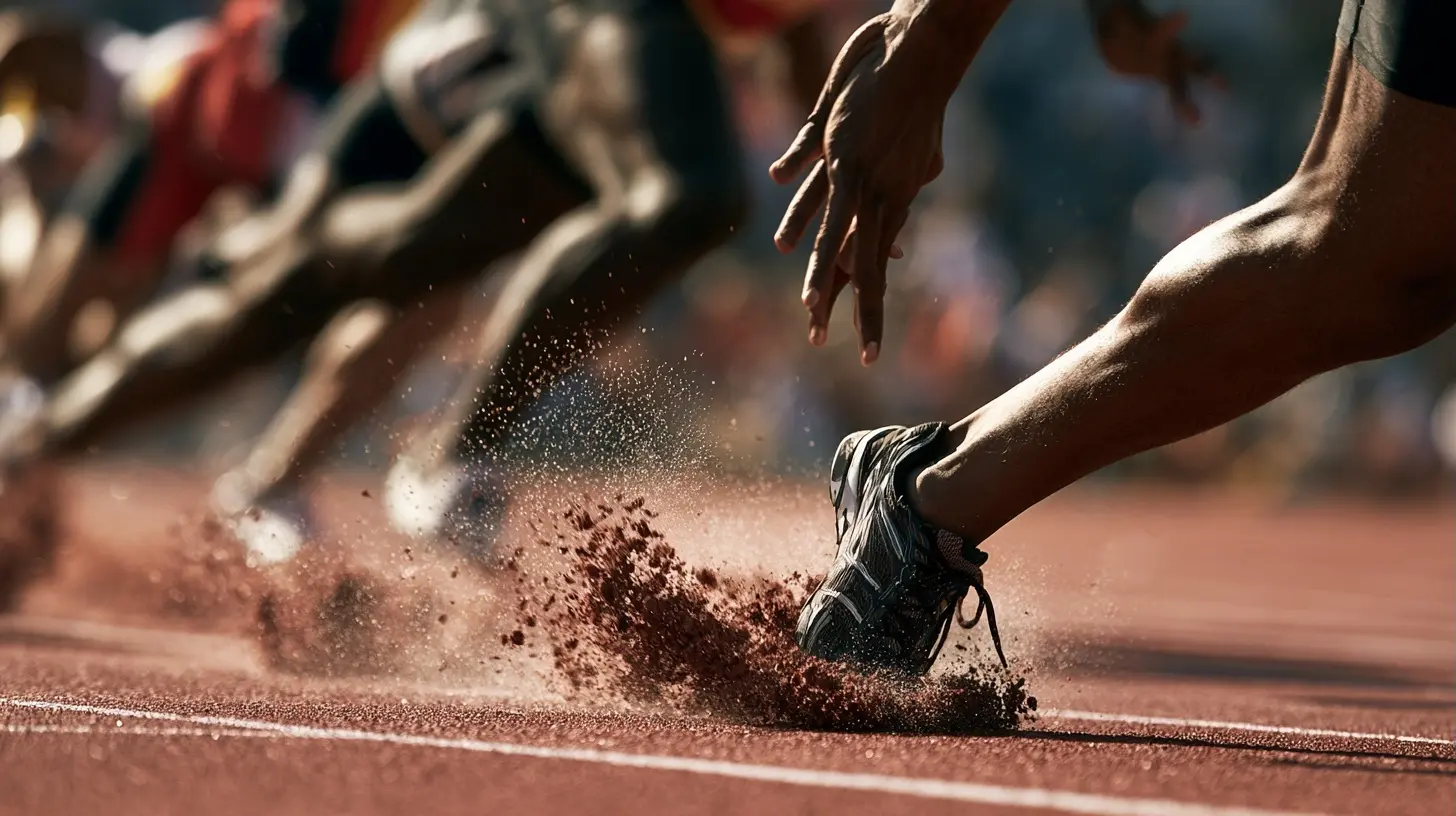
Most bias training treats bias as a knowledge deficit. The implicit assumption is that if people understood bias, they would stop doing it. Anyone who has watched a smart, well-intentioned person make a biased call under deadline pressure knows this assumption is shaky.Dual-process accounts of cognition, popularized by researchers like Daniel Kahneman, describe two modes of thinking: a fast, automatic, associative system and a slow, deliberate, effortful one. Bias lives mostly in the fast system. It is efficient. It fills gaps. It draws on learned associations, many of which are absorbed from culture rather than chosen. The slow system can override it, but only when it has time, energy, and attention to spare.
Now consider an athlete. A tennis player returning serve has roughly half a second before the ball arrives. There is no room for the slow system. Skill lives in trained automaticity, built through thousands of repetitions until the correct movement is the default. The parallel is direct: if you want fairer behavior in fast, pressured moments, you cannot rely on people pausing to introspect. You have to train the default.
This reframing matters because it changes what intervention looks like. A workshop that explains bias raises awareness, which has value, but it does not retrain a default. Practice that repeatedly pairs a trigger with a better response does. That is the core insight athletes offer, and it is the one most organizations skip.
The awareness trap
Awareness is necessary but insufficient. People need language for bias and permission to name it. But awareness without rehearsal often produces one of two failure modes. The first is paralysis, where people become so anxious about making a biased call that they avoid decisions altogether. The second is performative vigilance, where people signal fairness in visible moments while their fast defaults remain untouched in unobserved ones.Athletes do not confuse watching film with training. Film study builds understanding. Reps build behavior. Bias work needs both, in that order, and most programs stop at film study.
Lesson One: Train the Rep, Not the Lecture
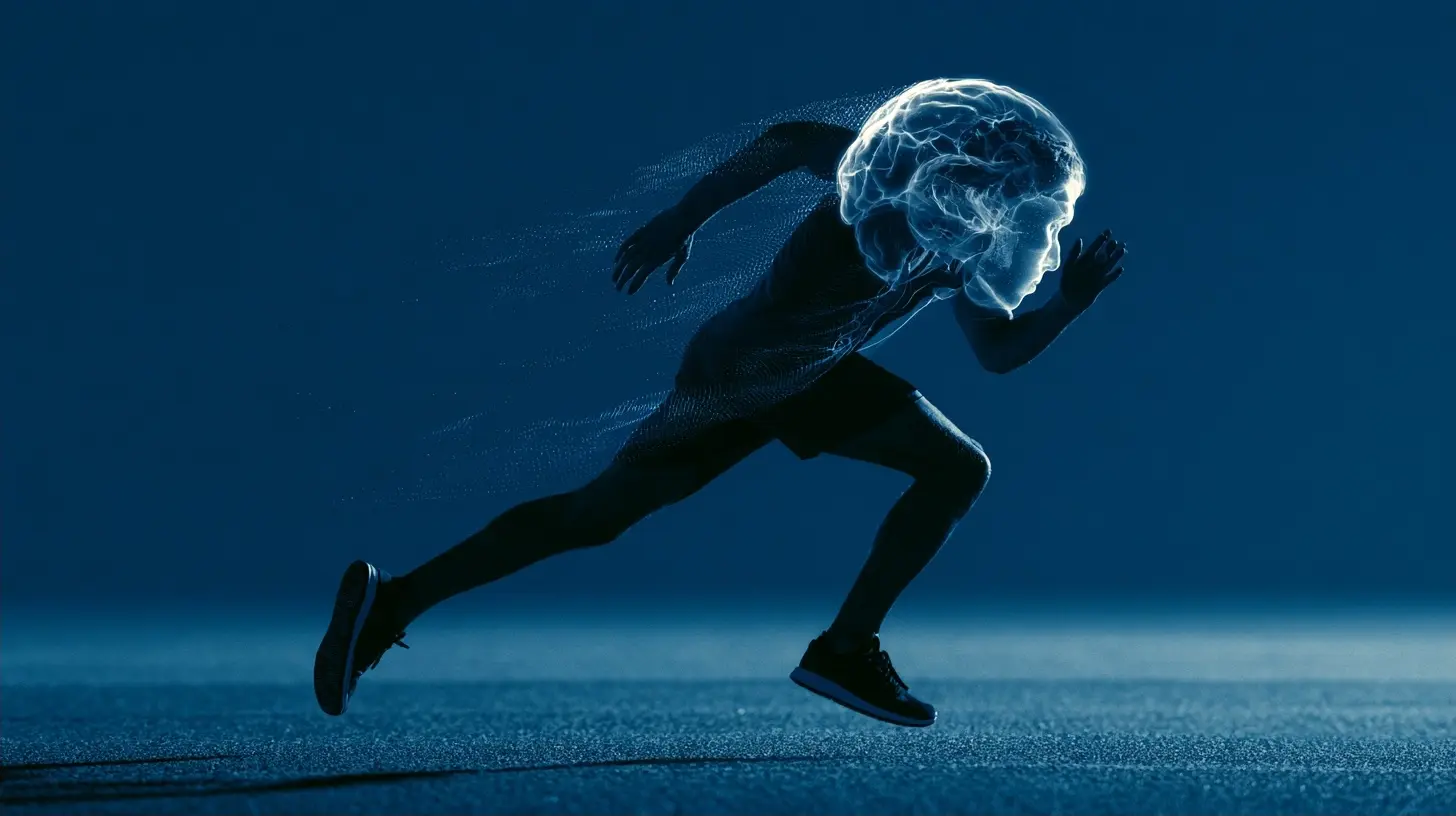
In motor learning, the single most reliable driver of improvement is deliberate practice: repeated, effortful rehearsal of a specific skill with feedback. Not volume alone, but volume aimed at a defined target with correction along the way.Applied to bias, this means identifying the specific decision points where biased defaults are most likely, then rehearsing better responses at those points. Vague commitments like "be more inclusive" do not qualify. A rehearsable rep looks like this:
- A hiring manager practices writing structured interview questions and scoring each answer against a rubric immediately after the candidate speaks, before discussing the candidate with anyone.
- A shift supervisor rehearses a script for interrupting a colleague who makes a demeaning joke, out loud, three times, until the words arrive without a search for courage.
- A project lead practices asking a quiet team member for input first, using the same opening sentence every meeting, until it becomes automatic.
Why does rehearsal work? Because it builds a competing response that can fire under the same conditions as the biased one. The brain does not delete old associations easily, but it can strengthen alternatives until they win the race. This is why the athlete analogy holds: you are not removing the wrong movement, you are making the right one faster.
There is a trade-off. Rehearsal takes time and feels awkward. Adults resist role-play. The mistake many programs make is skipping the awkwardness by turning practice into discussion, which feels safer and changes nothing. If a session never feels slightly uncomfortable, it is probably not training.
Lesson Two: Build Routines That Survive Pressure
Athletes rely on pre-performance routines for a reason. A free-throw shooter's routine does not make the shot, but it stabilizes the conditions that make the shot repeatable. Routines reduce the number of decisions required in a high-pressure moment, freeing attention for the thing that matters.Bias is most active when cognitive load is high. Decisions made late in the day, with time pressure, after difficult conversations, are more likely to fall back on stereotypes and shortcuts. This is not a character flaw. It is how attention works. The practical response is to build routines that protect judgment when attention is thin.
Examples of judgment routines modeled on athletic practice:
1. A fixed sequence before any evaluative decision. Review the criteria, write the criteria down, then look at the person or the work. The order matters because evaluating first and justifying later invites bias to lead.
2. A standing pause point before irreversible choices. Not a vague instruction to slow down, but a specific trigger, such as requiring a written rationale before any rejection, so the slow system gets one scheduled chance to weigh in.
3. A reset ritual between meetings. Athletes use between-point routines to shed the last error. Professionals can use a thirty-second reset to avoid carrying frustration from one conversation into the next, where it often lands on whoever is least able to push back.
When should routines not be used? Routines can become ritual without function. If a checklist is completed mechanically and never reviewed, it adds friction without changing outcomes. The test is simple: does the routine change a decision, or does it only document one? Keep the former, cut the latter.
Lesson Three: Use Video Review Without Cruelty
Athletes watch themselves constantly. They review footage of their own performance, often with a coach, looking for patterns they cannot see in real time. The point is not self-punishment. It is pattern detection.Most professionals never review their own decision-making this way. They remember decisions as reasonable because memory reconstructs them that way. A structured review changes that. After a hiring cycle, a performance calibration, or a difficult project, a team can examine the actual sequence of events: who spoke first, whose ideas were repeated and credited to someone else, which candidates were described with words like "polished" or "aggressive," which were given the benefit of the doubt.
This kind of review is powerful and dangerous. It can become a tribunal that makes people defensive and secretive. Athletes avoid that outcome because the review is normalized, expected, and focused on performance rather than character. A team can borrow that norm by reviewing processes rather than people, asking "where did the decision drift?" instead of "who got it wrong?" Psychological safety is not a soft add-on here. Without it, review produces concealment, and concealment destroys the data.
A useful misconception to clear up: many people assume that reviewing bias means catching biased individuals. In practice, the most valuable findings are structural. A review might reveal that the loudest voice in the room consistently speaks first, or that evaluations are written from memory days after the interview. Those are fixable conditions, not personal failings, and fixing them changes outcomes more reliably than exhortation.
Lesson Four: Respect the Difference Between Training and Competition
Athletes separate practice from competition for good reason. Practice is where you experiment, fail, and adjust. Competition is where you execute. Mixing the two produces anxiety in practice and improvisation in competition.Bias work often fails because it mixes them. People are asked to experiment with new behaviors in high-stakes moments, with no safe place to be clumsy first. The result is that they retreat to old defaults exactly when the new behavior matters most.
The fix is to create genuine practice conditions. Low-stakes simulations, structured role-play, and shadowing before leading a real decision all serve this purpose. A junior manager can practice giving feedback in a peer setting before doing it in a performance review. A committee can run a mock calibration on fictional cases before the real one. This is not busywork. It is the equivalent of a scrimmage, and it is where most of the learning happens.
There is a real cost here. Simulations consume time that already feels scarce, and leaders often cut them first. The trade-off is worth naming honestly: skipping practice saves hours now and produces avoidable errors later, usually in decisions that are expensive to reverse, such as a bad hire or a mishandled conflict.
Lesson Five: Manage Arousal, Not Just Information
Sport psychology pays close attention to arousal, the physiological state that accompanies stress. Too little and performance is flat. Too much and fine control collapses. Athletes learn techniques to regulate arousal so that skill can express itself.Bias intensifies under arousal. When people feel threatened, rushed, or angry, they categorize faster and more crudely. This is why some of the worst decisions happen in the moments people later describe as "not like me." The behavior felt foreign afterward because it happened in a state the person does not recognize as their normal self.
Practical regulation techniques borrowed from sport psychology include deliberate breathing before a difficult conversation, physical movement between high-stress events, and simple naming of the state ("I am frustrated right now, and that will affect how I hear this"). Naming does not eliminate the state, but it reduces its grip on judgment.
A caution is warranted. Regulation techniques can be used to suppress legitimate emotion rather than to manage it, and suppressing emotion tends to leak out elsewhere. The goal is not calm indifference. It is enough steadiness to keep your values in charge of your behavior.
Lesson Six: Coach the Behavior, Not the Identity
Good coaches give feedback on observable behavior. They do not tell an athlete they are a failure. They say the elbow dropped, the first step was late, the follow-through stopped short. Specific, behavioral feedback can be acted on. Identity feedback cannot.Bias conversations often invert this. People are told they are biased, which is both true in a general sense and useless as feedback. It triggers defensiveness because it attacks identity, and defensiveness shuts down the very learning the conversation was meant to produce.
Athlete-style feedback sounds different. "In that meeting, you asked the two senior people for input before anyone else had spoken. Next time, open with the newest person on the team." That is coachable. It names a behavior, a context, and a replacement. It also assumes the person wants to improve, which is usually true and rarely stated.
This approach has limits. Some bias is not a skill gap but a values problem, and coaching language can obscure that. A person who repeatedly demeans colleagues does not need a better routine. They need consequences. The distinction matters: use coaching for defaults and habits, use accountability for conduct. Confusing the two lets serious problems hide behind a language of growth.
Lesson Seven: Accept That Some Errors Are Unavoidable, and Build for Recovery
No athlete performs perfectly. Elite performers distinguish themselves less by avoiding all errors than by recovering quickly. The next point starts immediately. Rumination is a liability.Bias work carries a hidden trap: the pursuit of purity. People who believe they must never make a biased judgment often respond to evidence of one by denying it, because admitting it threatens their self-image. That denial is more damaging than the original error, because it blocks correction.
Athletes model a healthier stance. They expect mistakes, review them without drama, and move on with a correction in hand. Applied to bias, this means building recovery into the process: a way to revisit a decision, a norm that allows someone to say "I think I got that wrong, let's look again," and a culture that treats correction as competence rather than confession.
This is where many well-meaning efforts go wrong. They raise the stakes of being seen as biased so high that people become more careful about appearances than about outcomes. The result is a workplace that talks about fairness constantly and practices it inconsistently. Lowering the cost of admitting error, while keeping the cost of repeated misconduct high, is the balance to aim for.
What Does Not Transfer
Honesty requires naming the limits of the analogy. Athletes train in domains with clear feedback, stable rules, and measurable outcomes. A free throw either goes in or it does not. Social judgment is murkier. Feedback about bias is delayed, ambiguous, and often contested. This means athletic methods transfer best where you can create clear feedback, such as structured interviews with rubrics, and transfer poorly where outcomes are subjective and rarely reviewed.Athletes also operate in systems designed around their development. Coaches, teammates, and time are provided. Most professionals have none of that infrastructure, which is why individual effort alone rarely sustains change. The lesson is not "try harder." It is "build the system around the behavior." Teams that schedule review, protect practice time, and normalize correction get more change than individuals who resolve to do better.
Finally, athletic training is not a moral curriculum. A superb athlete can be a biased person. The methods are tools, not virtues. They work when aimed at specific behaviors with real accountability behind them, and they become theater when used to signal seriousness without changing anything.
A Practical Starting Point
If you want to apply these lessons, start small and concrete. Pick one recurring decision where bias has real consequences, such as who gets stretch assignments or how performance feedback is worded. Identify the moment the decision actually happens. Write down the default behavior you want instead. Rehearse it until it is easy. Build a routine that protects it under pressure. Review what happened afterward with the goal of finding patterns, not culprits. Expect errors and make correction cheap. Then repeat, because this is training, and training is a practice, not an event.Athletes teach us that behavior changes through repetition, structure, feedback, and recovery, not through insight alone. Bias is stubborn precisely because it lives where insight is weakest. Treat it as a performance problem, build the reps, and the defaults will move.
all images in this post were generated using AI tools
Category:
Cognitive BiasesAuthor:

Christine Carter