The Use of Forensic Psychology in Terrorism and Counterterrorism Efforts
12 July 2026
Terrorism—an unrelenting shadow that looms over the world, shifting forms and tactics, leaving chaos in its wake. As governments and security forces battle its menace, an unexpected but powerful ally emerges: forensic psychology. This intricate science delves into the minds of terrorists, unraveling the twisted logic behind their actions while shaping counterterrorism efforts.
But how does forensic psychology truly aid in this global fight? Let’s walk through the corridors of the mind, where shadows and light collide in a psychological chess game of high stakes. 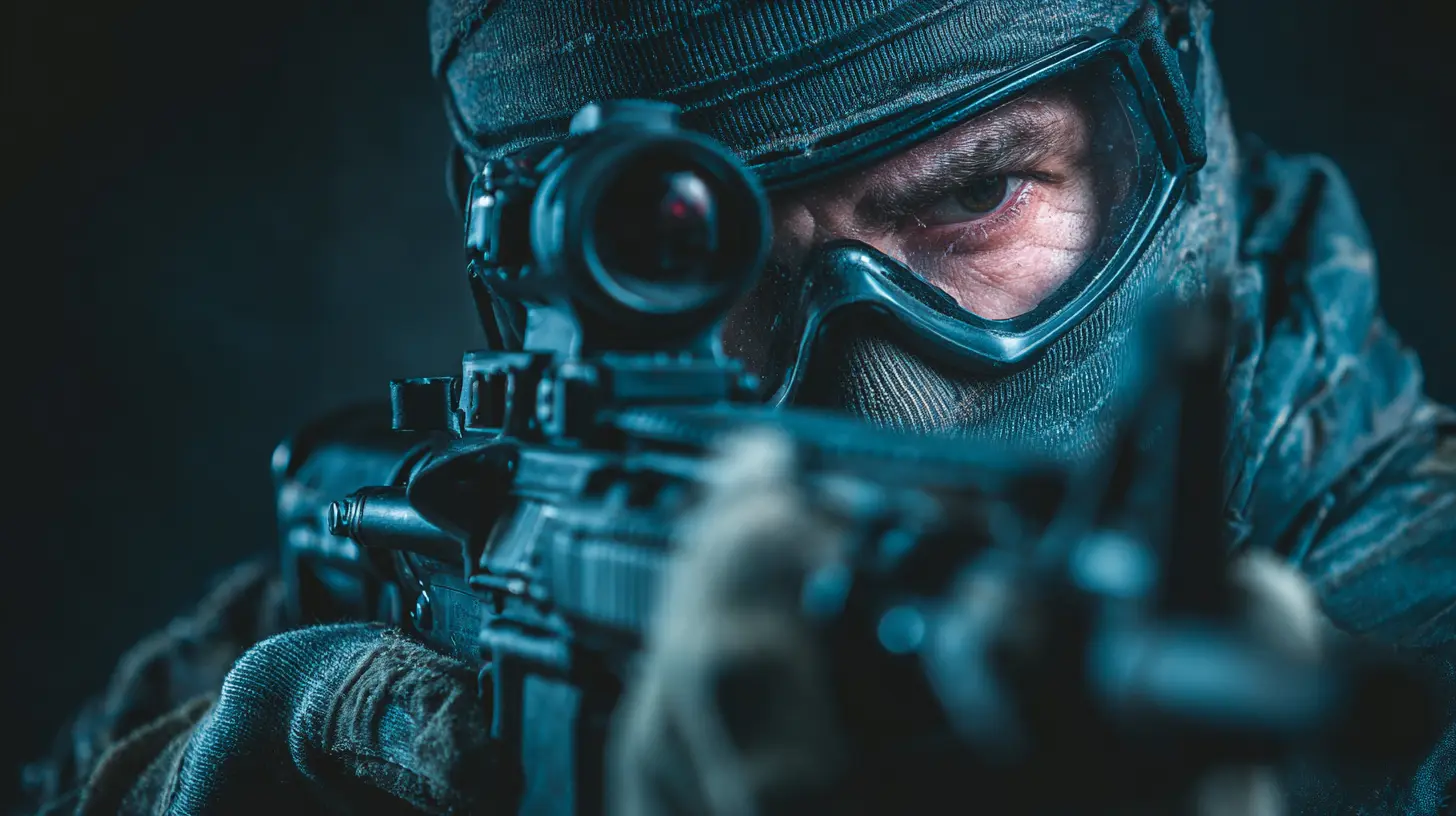
Understanding the Mind of a Terrorist
Terrorism is not just about weapons and destruction—it’s a deeply psychological war. Every extremist, every radical, is driven by beliefs, emotions, and convictions that have been shaped by experiences, propaganda, and sometimes, manipulation.Forensic psychologists seek to dissect these layers, peeling back the motivations and triggers that push individuals towards violent extremism. They analyze behavior patterns, study personal histories, and examine the cognitive distortions that fuel radical ideologies.
What Drives Someone to Terrorism?
At the core of terrorism lies a potent mix of psychological, social, and ideological factors. Some common catalysts include:- Radicalization through ideology – Exposure to extremist beliefs, often reinforced by propaganda, can create a distorted worldview where violence is justified.
- Personal or collective grievances – Feelings of oppression, injustice, or revenge can lead individuals toward extremist action.
- Social dynamics and group influence – Terrorist organizations thrive on strong group identities, instilling a sense of belonging while discouraging dissent.
- Psychological vulnerabilities – Mental health struggles, trauma, or identity crises can make individuals easier targets for radicalization.
Forensic psychologists examine these aspects, piecing together psychological profiles that help authorities predict and prevent acts of terror. 
Forensic Psychology’s Role in Counterterrorism Strategies
While soldiers and intelligence agents fight terrorism on the physical front, forensic psychologists wage a different war—a battle within the mind. Their expertise is invaluable in preventing radicalization, interrogating suspects, and even rehabilitating former extremists.1. Identifying Early Signs of Radicalization
Wouldn't it be better to stop terrorism before it even begins? That’s where forensic psychology comes in. By analyzing behavioral shifts, online activity, and psychological red flags, experts help authorities recognize individuals at risk of radicalization.Governments and law enforcement agencies use these psychological insights to develop intervention programs, preventing vulnerable individuals from spiraling into extremism.
2. Interrogation and Intelligence Gathering
Interrogation isn't just about asking questions—it’s about understanding the human mind. Traditional aggressive tactics often backfire, making suspects more resistant. But forensic psychology introduces a more sophisticated approach.- Building rapport – Establishing trust can make suspects more willing to speak.
- Recognizing deception – Understanding verbal and non-verbal cues helps in discerning truth from lies.
- Cognitive interview techniques – Using memory recall methods to extract crucial details.
By applying psychological techniques, forensic experts help extract intelligence more effectively while maintaining ethical boundaries.
3. Psychological Profiling of Terrorists
One of the most powerful contributions forensic psychology offers to counterterrorism is criminal profiling. Just as detectives use profiling to track serial killers, security agencies use it to understand terrorist behavior.By analyzing past attacks, personal histories, and ideological leanings, forensic psychologists create profiles that help in:
- Identifying potential threats
- Predicting future attacks
- Understanding the decision-making process of terrorist leaders
It’s like assembling a puzzle—each behavioral clue adds a piece to the bigger picture of how terror networks operate.
4. Rehabilitation and Deradicalization Programs
Not all radicals stay extremists forever. Some can be brought back from the edge, reintegrated into society, and even become valuable assets in preventing further radicalization.Forensic psychologists design and implement deradicalization programs aimed at:
- Challenging extremist beliefs through dialogue and education
- Providing psychological support to address trauma and grievances
- Offering alternative paths to purpose and belonging
These efforts have been successful in reducing recidivism among former extremists and dismantling the appeal of terrorist ideologies. 
The Challenges Forensic Psychologists Face
While forensic psychology plays a crucial role in counterterrorism, it’s not without challenges. The human mind is complex, unpredictable, and easily influenced by external factors.1. The Ever-Evolving Nature of Terrorism
Terrorist tactics are always changing. What worked yesterday might not work tomorrow. Psychologists must constantly adapt their strategies, staying ahead of radicalization trends.2. Ethical Dilemmas
How far is too far when analyzing or interrogating suspects? Forensic psychologists must balance ethical considerations with the need for information. Coercion and psychological manipulation can backfire, causing more harm than good.3. Cultural and Religious Sensitivities
Understanding the mind of a terrorist requires delving into different cultures, religions, and belief systems. Misinterpretations or biases can lead to flawed assessments, making cultural competence essential.
The Future of Forensic Psychology in Counterterrorism
As technology advances, so do the tools at forensic psychologists' disposal. AI-driven behavior analysis, big data profiling, and psychological warfare techniques are reshaping counterterrorism strategies.But at the heart of it, the human mind remains the battlefield—and forensic psychology continues to be the key to unlocking its mysteries.
So, the next time you think about counterterrorism, remember—it’s not just about guns and intelligence. Sometimes, the most powerful weapon is understanding.
all images in this post were generated using AI tools
Category:
Forensic PsychologyAuthor:

Christine Carter
Discussion
rate this article
1 comments
Rayna Summers
This article effectively highlights the critical role forensic psychology plays in understanding terrorist motivations and enhancing counterterrorism strategies, providing valuable insights for both professionals and policymakers.
July 18, 2026 at 3:15 AM
Christine Carter
Thank you for your feedback! I'm glad you found the article valuable in highlighting the crucial connection between forensic psychology and counterterrorism strategies.