The Science Behind First Impressions: Can We Really Judge a Book by Its Cover?
1 May 2026
Let’s be real — we’ve all done it. Walked into a room, spotted someone, and instantly sized them up. Maybe we thought, “Hmm, they look confident,” or perhaps, “I don’t know why, but I don't trust them.” It happens in a blink. And whether we’re conscious of it or not, these snap judgments shape how we treat others and how we're treated in return. But here’s the big question: are these first impressions actually rooted in science? Or are we just relying on gut feelings and assumptions?
In this post, we're diving deep into the fascinating world of first impressions. We’ll break down how they form, the psychology behind them, and whether or not it's fair to judge a book by its cover (spoiler alert: it’s complicated). Buckle in — you’re about to see everyday social interactions in a whole new light.
What Are First Impressions, Really?
First impressions are those immediate opinions we form about someone when we first meet them — often within the first 7 to 30 seconds. Yes, that fast. In fact, some research suggests our brains can start forming impressions in as little as 1/10th of a second. Quick, right?But here’s the kicker: those few brief moments can leave a lasting impact. Whether it's a job interview, a first date, or meeting your partner’s parents — people tend to remember how you made them feel in those initial moments, and those feelings can stick.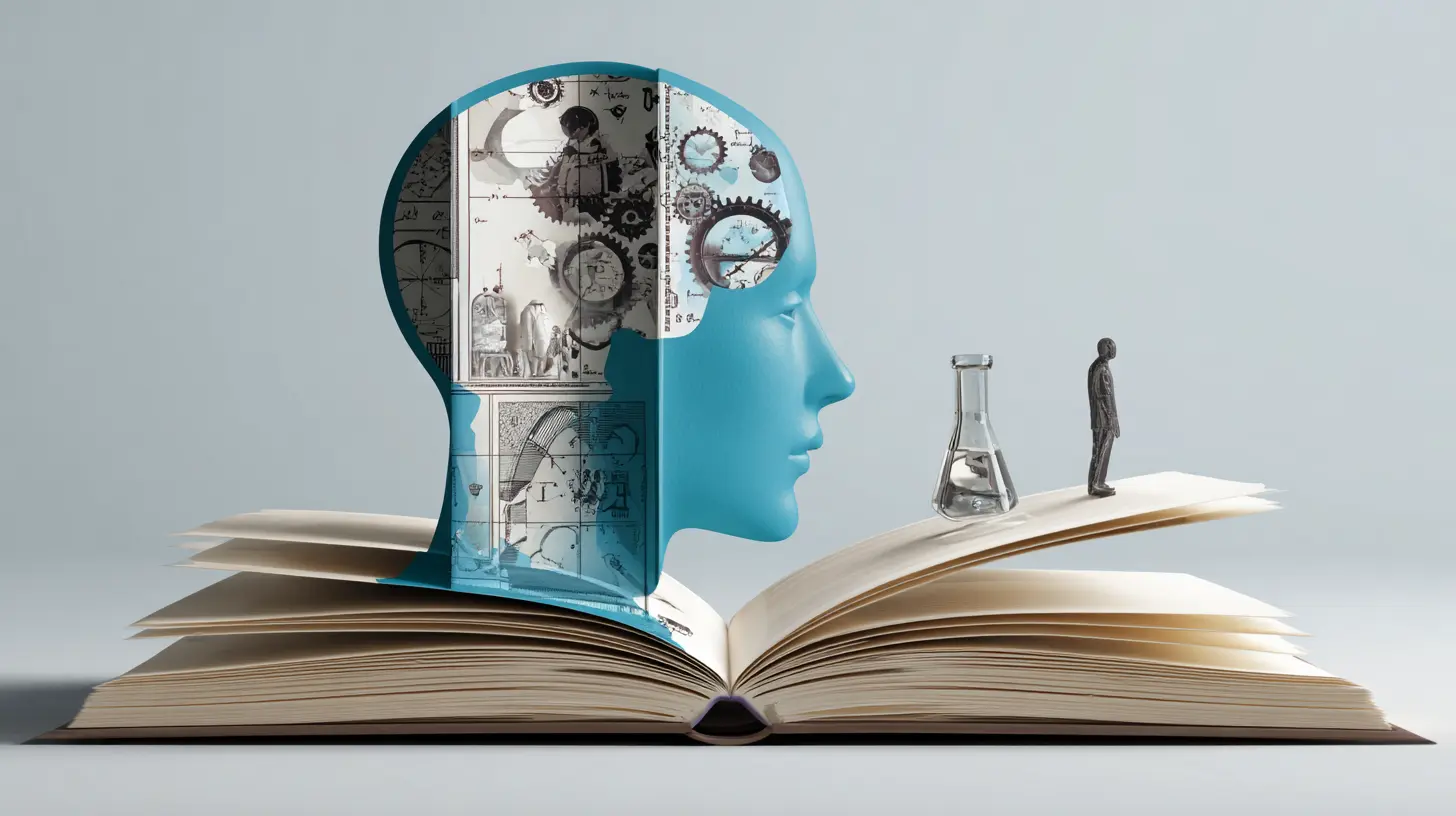
The Psychology Behind Snap Judgments
So why do we form these speedy impressions? Blame it on evolution.Our brains are wired to make fast decisions. Back in the day, when survival depended on quickly deciding whether someone was friend or foe, this skill was pretty handy. Imagine walking through the jungle needing to assess whether the person you just saw was part of your tribe or, well… someone less friendly. That split-second judgment? It could save your life.
Today, we’re not dodging saber-toothed tigers, but our brains still favor speed over accuracy when it comes to social judgments. First impressions are all about cognitive shortcuts, also known as heuristics. They're mental rules of thumb that help us make quick, efficient decisions based on limited info.
And while these shortcuts save time, they can also lead us astray.
How First Impressions Are Formed
There’s a cocktail of factors that goes into forming a first impression. Let’s break it down:1. Appearance
It’s not just vanity — appearance plays a huge role. Our brains tend to associate certain physical features with specific traits. For instance, someone dressed in a tidy, professional outfit may be perceived as more competent or trustworthy. On the flip side, someone with visible tattoos or bright-colored hair might be unfairly labeled as rebellious or unprofessional (even though that’s often far from the truth).2. Body Language
We say so much without saying a word. Posture, eye contact, handshake firmness — they all send messages. A slouched posture might suggest low confidence, while steady eye contact often implies honesty and openness.3. Facial Expressions
We’re hardwired to read emotion in people’s faces. A smile lights up the brain’s reward center, making us feel good and safe. But a furrowed brow or tight-lipped expression? It can trigger discomfort or mistrust.4. Tone of Voice
Ever noticed how someone can say “I’m fine,” but the tone instantly tells you they’re so not fine? The way someone speaks — their pitch, speed, and inflection — carries emotional weight and contributes heavily to first impressions.5. Context & Expectations
Where we meet someone and what we expect can influence how we perceive them. Meeting someone at a party vs. a courtroom? Yeah, totally different vibes.
First Impressions: Impact and Longevity
Here's the crazy part — once we form that initial opinion, our brains often resist changing it. Psychologists call this the primacy effect. The info we receive first tends to weigh more heavily than what comes after.Even if someone later proves themselves totally different from our initial impression, we’re likely to cling to that first mental snapshot. It’s like trying to un-see the cover of a book once you’ve already judged it. Not impossible, but not easy.
Are First Impressions Accurate?
Sometimes, yes. But also — sometimes, not at all.Studies have found that people can often pick up on a person’s level of extraversion or confidence fairly accurately from first impressions. But when it comes to more complex traits like intelligence, kindness, or honesty? We’re far more likely to misjudge.
For example, someone might look confident and “put together,” but may actually be struggling with anxiety. Or someone who appears standoffish could simply be shy or introverted, not unfriendly.
The bottom line? First impressions are a mix of perception and projection. What we see is colored by our own expectations, experiences, and biases.
The Role of Bias in First Impressions
Let’s talk about the elephant in the psychological room: bias.We’re all walking around with unconscious biases — ingrained ideas shaped by culture, society, and personal experience. Whether we know it or not, our brains associate certain traits with race, gender, age, appearance, and more. And unfortunately, those biases sneak into our first impressions.
For example:
- A study showed that job applicants with names that sounded traditionally "white" were more likely to get callbacks than those with names perceived as "ethnic."
- Taller people are often seen as more authoritative.
- Women who smile more are viewed as more approachable than those who don’t — even if both are equally friendly.
So yeah, our brains don’t always play fair. Recognizing bias is the first step toward combating it.
Can We Rewire First Impressions?
Short answer? Yes — but it takes effort.While our initial judgments might be fast and automatic, we can learn to slow down and take a second look. Here’s how:
1. Practice Mindful Awareness
Start noticing when you make snap judgments. Ask yourself, “What did I base that on?” Is it their clothes, accent, or body language? Is that fair?2. Challenge Your Assumptions
Just because someone dresses differently or behaves in a way you're unfamiliar with doesn't mean you know who they are. Give people the benefit of the doubt. Ask, don’t assume.3. Focus on Empathy
When in doubt, lead with kindness. Everyone has a story, and what you see on the outside rarely tells the full tale. Try to imagine what that person might be feeling or going through.4. Give It Time
Let relationships breathe. The more time you spend with someone, the fuller picture you’ll get. The first chapter may be gripping, but the real plot unfolds later.When First Impressions Really Matter
Let’s be honest — some moments carry more weight than others. Here are situations where first impressions can have a lasting impact:- Job Interviews: Hiring managers often make up their minds within the first few minutes. That’s why confidence, eye contact, and clear communication are key.
- Dating: Romantic chemistry is often judged within seconds. Yeah, it’s kind of brutal — but that’s human nature.
- Customer Service: How a business rep greets you can shape your entire impression of the company.
- Public Speaking: Audiences decide whether they trust and want to listen to a speaker within the first few sentences.
Knowing this, it’s worth putting a bit of effort into how we show up — but without losing authenticity. It’s a balance of being our best selves while still staying true to who we are.
Final Thoughts: So, Can We Judge a Book by Its Cover?
Here’s the hard truth: we do. All the time. But should we? That’s where things get messy.First impressions are automatic, and they serve a purpose. But they’re not always accurate, and they can be deeply unfair. The good news is we have the power to pause, reflect, and revise. We can learn to look beyond the cover and read a few chapters before deciding what the book is all about.
So next time you meet someone new — whether it’s a coworker, date, or the barista making your coffee — try this: notice your judgment, then let curiosity take over. You might be surprised by the story behind the smile, the silence, or the suit.
all images in this post were generated using AI tools
Category:
Human BehaviorAuthor:

Christine Carter
Discussion
rate this article
1 comments
Indie Bowers
First impressions are like a good cover design: they might catch your eye, but it's the content that truly matters. Let's hope our personalities are more page-turners than blank pages... or worse, bad poetry!
May 15, 2026 at 3:30 PM
Christine Carter
I completely agree! It's the depth beneath the surface that really defines us. Let's make sure our stories are worth reading.