The Role of Melatonin in Sleep and Mental Health: What You Need to Know
14 September 2026
Let’s talk about something that often gets overlooked in conversations about mental wellness and sleep—melatonin. It’s not just a supplement you grab when you’re tossing and turning at 3 AM. This natural hormone influences way more than your bedtime. Melatonin is like your body’s internal nightlight switch. Once it’s flipped, your brain and body begin shutting down for some well-deserved rest. But here’s the kicker—it also plays a huge role in your mental health.
So, whether you're struggling with sleepless nights, racing thoughts, anxiety, or even depression, understanding melatonin could be a game-changer. Let’s break it down, piece by piece, and get to the bottom of how this tiny hormone does some heavy lifting.
What Exactly is Melatonin?
Melatonin is a hormone made by your pineal gland—a small, pea-sized gland hiding near the center of your brain. Think of it as your body’s natural sleep regulator. When the sun goes down and it gets dark, your brain kicks melatonin production into gear. When the sun rises, melatonin levels drop.Simple, right? But here’s where it gets interesting.
Melatonin doesn’t just help you feel sleepy—it helps tell your body when it’s time to fall asleep and wake up. That’s part of what we call the circadian rhythm—a 24-hour internal clock that governs your sleep-wake cycle, energy levels, and even hormone release.
The Light Switch Theory
Ever notice how staring at your phone in bed keeps you wide awake? That’s because blue light (like the kind that comes from screens) tricks your brain into thinking it’s still daytime. Like flipping a light switch back on, melatonin production slows or even shuts off completely. No melatonin = no sleepy feelings.
How Melatonin Affects Your Sleep
Alright, let’s get real—sleep isn’t always easy. Between stress, screen time, and late-night snacking, our sleep cycles are often out of whack. That’s where melatonin steps in.1. Tells Your Body It’s Time to Sleep
Once melatonin starts flowing through your system, it sends a calming message to your brain: “Hey, it’s dark, it’s quiet, time to wind down.” Your body temp drops, your heartbeat slows, and your mind begins to relax. Like a bedtime lullaby, melatonin eases you into slumber.2. Helps You Stay Asleep
Melatonin doesn’t just knock you out—it helps keep you asleep by maintaining that restful state throughout the night. Think of it as your body’s “Do Not Disturb” sign.3. Regulates REM and Deep Sleep
Ever woken up feeling like you never actually rested? You probably didn’t hit the right sleep stages. Melatonin plays a big role in regulating REM (Rapid Eye Movement) and deep sleep—both crucial for physical recovery and mental clarity.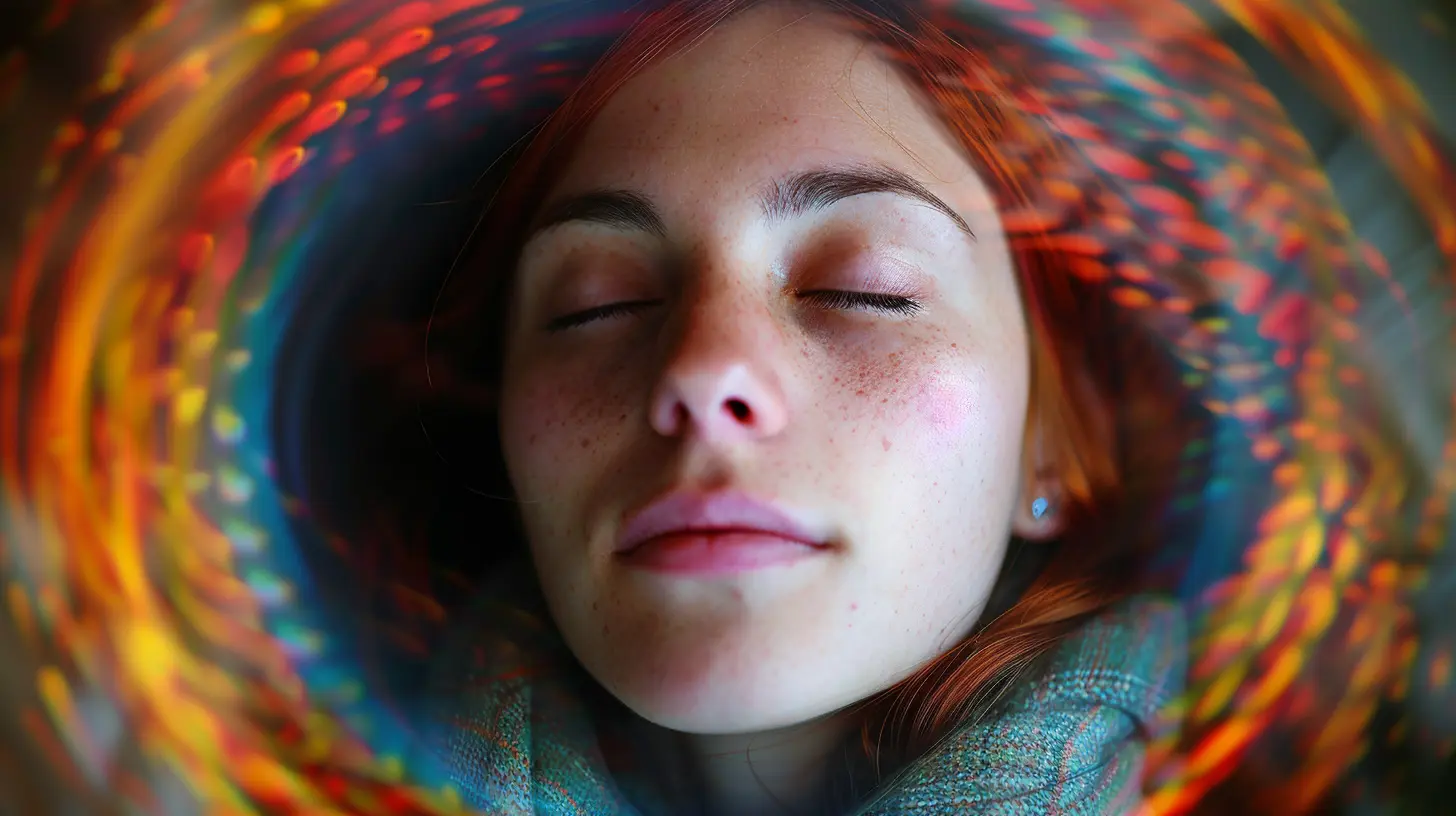
The Connection Between Melatonin and Mental Health
Here’s where things get a bit deeper. Sleep and mental health are like two sides of the same coin. If one is off, the other usually takes a hit. That’s why melatonin is such an exciting topic in psychology right now.1. Melatonin and Anxiety
When you’re anxious, your mind races, your heart pounds, and you feel alert—even when it’s time for bed. Melatonin can help lower cortisol (your stress hormone), calming the nervous system and promoting a restful state.Some studies suggest low melatonin levels might be linked with generalized anxiety disorder and other stress-related conditions. While it’s not a miracle cure, improving melatonin levels can help reduce nighttime anxiety symptoms.
2. Melatonin and Depression
Depression messes with your sleep big time. Some people can’t sleep at all, while others sleep too much. Either way, melatonin plays a starring role.Research has shown that irregular melatonin secretion patterns are common in people with depression. In fact, some antidepressants indirectly affect melatonin production and release. For instance, agomelatine, an antidepressant used in Europe, mimics melatonin to restore natural sleep cycles.
3. Melatonin and Seasonal Affective Disorder (SAD)
Ever feel gloomier during the darker months? You’re not alone—and melatonin might be to blame. With shorter days and longer nights, your body may produce too much melatonin, throwing off your internal clock and mood. That’s part of why light therapy is often used to treat SAD—it helps balance your melatonin.
Natural Ways to Boost Melatonin Production
Before you reach for a supplement, let’s talk about what you can do to naturally enhance melatonin levels. Your body is designed to make this hormone—you just need to give it the right environment to do its job.1. Limit Blue Light at Night
This is a big one. As we said earlier, blue light from phones, TVs, and laptops can trick your brain into staying alert. Try shutting off screens at least an hour before bed. Or, if that feels impossible, grab a pair of blue light blocking glasses.2. Embrace the Dark
Your body needs darkness to produce melatonin. That means dimming the lights in your home after sunset or investing in blackout curtains for your bedroom. Think low light, soft music, and quiet vibes.3. Stick to a Sleep Schedule
Consistency is key. Going to bed and waking up at the same time every day—even on weekends—helps your circadian rhythm stay balanced. Your body will start releasing melatonin like clockwork.4. Eat Melatonin-Rich Foods
Yes, melatonin is in food! Some of the top melatonin-boosting snacks include:- Tart cherries
- Walnuts
- Almonds
- Oats
- Bananas
- Goji berries
Snacking on one of these before bed might give your natural levels a small boost.
When Melatonin Supplements Can Help
Sometimes, your body needs a little help. And that’s where melatonin supplements come in.These are especially helpful if:
- You're dealing with jet lag
- You’re a shift worker with odd hours
- You live in a place with long winters or little sunlight
- You struggle with insomnia or delayed sleep phase disorder
Dosage Matters
More doesn’t mean better. In fact, too much melatonin can backfire and mess with your sleep even more. Most experts recommend starting low—something like 0.3 to 1 mg an hour before bed—and adjusting from there. Always talk to a healthcare provider first.Temporary, Not Permanent
Here's the thing—melatonin supplements aren’t meant to be a forever fix. They're more like training wheels for your sleep cycle. Once your body relearns how to produce melatonin naturally, it’s best to wean off.Potential Side Effects and Safety Precautions
Melatonin is generally safe for short-term use, but it’s not totally risk-free. Some people report:- Grogginess the next morning
- Vivid dreams or nightmares
- Headaches
- Stomach issues
- Feeling depressed or irritable
Also, melatonin might interact with medications like blood thinners, birth control, or antidepressants. That’s another reason to check with your doc before popping a pill.
Children and Melatonin: A Special Note
A lot of parents turn to melatonin when their kids struggle with sleep—and while it’s sometimes effective, it shouldn’t be the first step. A child’s sleep problems might be behavioral or environmental. Melatonin use in kids is still being studied, and more research is needed on its long-term effects. Always consult a pediatrician before use.Conclusion: Melatonin Isn’t Just About Sleep
Melatonin is way more powerful than it gets credit for. Yes, it can help reset your sleep schedule and lull you into dreamland, but it also influences your mental health in some pretty profound ways. From easing anxiety to stabilizing your mood during dark winter months, this little hormone is a superstar.So, the next time you’re feeling off—mentally or physically—it might just be your body’s way of saying, “Hey, let’s bring melatonin back into the mix.”
If you treat your sleep like it matters (because it does), everything else—focus, mood, energy, and even relationships—gets a boost. Melatonin is just one tool in your wellness toolbox, but it’s a darn effective one.
all images in this post were generated using AI tools
Category:
Sleep And Mental HealthAuthor:

Christine Carter