The Role of Fantasy and Reality in Romantic Attraction
16 December 2025
Ever fallen for someone hard—within minutes? You don’t really know them, but something about how they talk, smile, or even just exist pulls you in. You start imagining your life with them, filling in the blanks with your own dreamy assumptions. But then, reality sets in. They’re not who you thought they were. So, what gives?
Welcome to the intricate dance between fantasy and reality in romantic attraction.
It’s a fascinating push and pull. Our imagination weaves romantic possibilities even when the facts say otherwise. At the same time, reality is always that quiet voice tapping us on the shoulder, reminding us what’s actually going on.
Let’s peel back the layers of this emotional onion and unpack why fantasy plays such a big role in romantic attraction—and how it collides (or cooperates) with reality.
Why We Fantasize About Love in the First Place
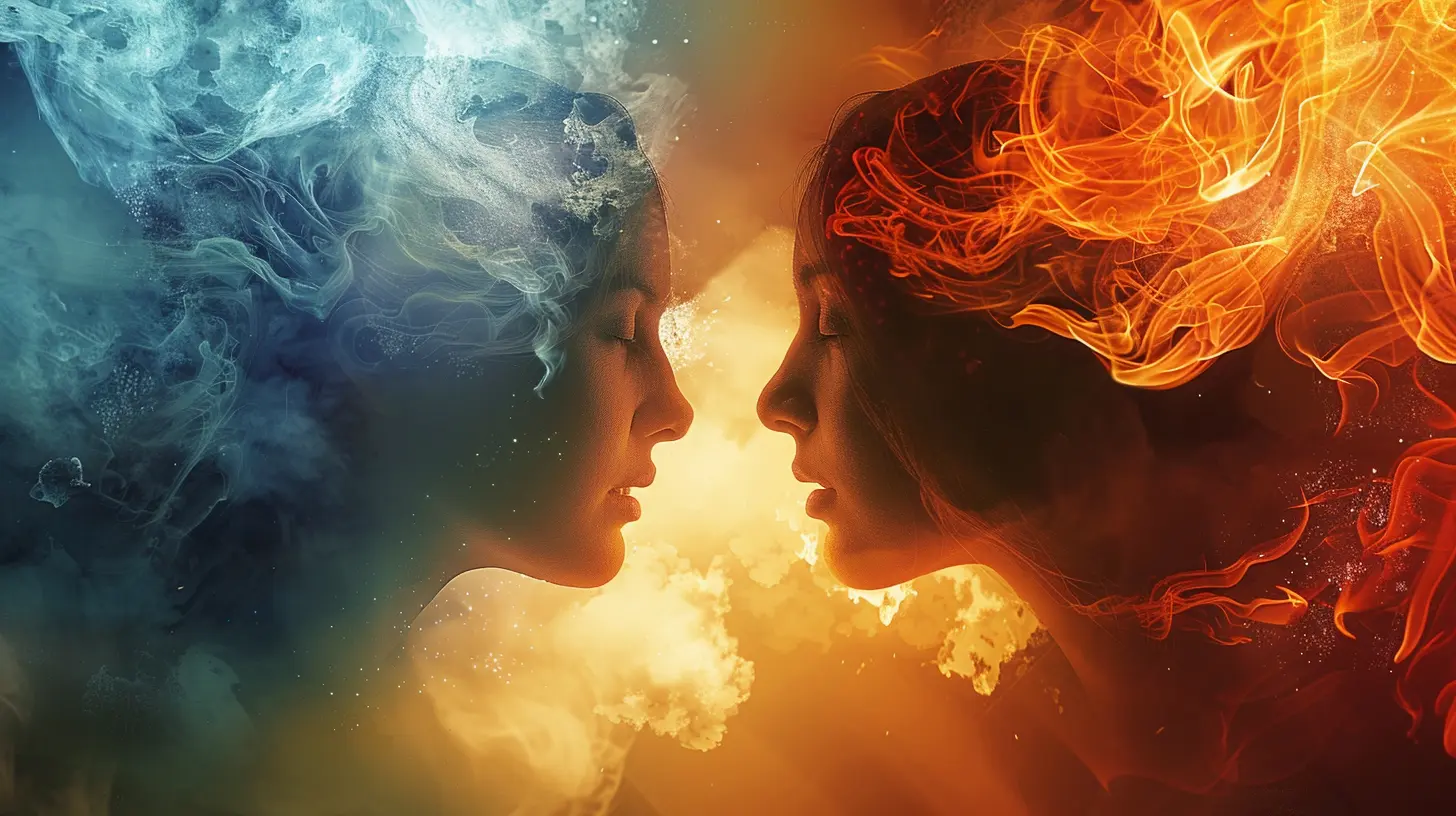
Before we get into the nuts and bolts, let's address the question that's probably bouncing around in your head:Why do we fall for fantasies over real people?
Well, our brains are wired for imagination. From childhood, we’re taught through stories, movies, and fairytales that love is magical, completing, and all-consuming. Think Disney, rom-coms, or novels where the brooding guy always gets the girl, despite all odds.
As adults, those ideas don't actually vanish. They just get more subtle.
When we meet someone new, especially if we’re emotionally vulnerable or craving connection, our minds rush in to "fill in the blanks." We might project positive traits on them. Suddenly, they’re charming, thoughtful, and aligned with our dreams—even if we’ve known them for like…a week.
This mental shortcut has a name: idealization. It’s the brain’s way of using fantasy to bridge the gap between what we know and what we want.
The Psychology Behind Romantic Fantasy
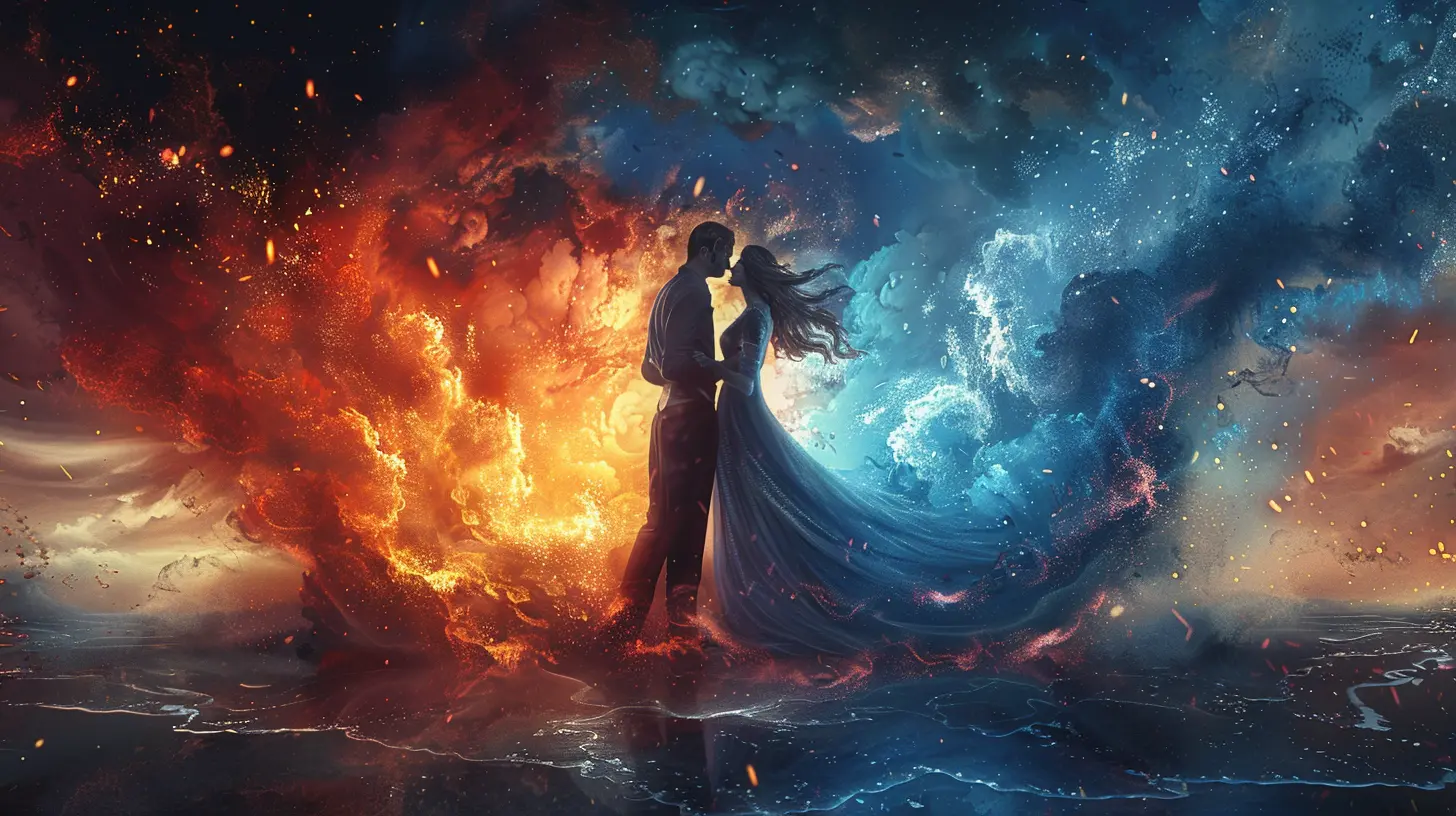
Let’s dig a little deeper into what’s going on under the surface.1. Attachment Needs and Emotional Imprints
Our early relationships—especially with our parents or caregivers—influence our adult romantic patterns. If you didn’t feel seen or loved growing up, you might crave a relationship where you finally feel those things. So when someone shows you a sliver of affection, your mind might go, “This is the one!”Boom. Fantasy activated.
We’re not just falling for a person; we’re falling for what they represent emotionally.
2. Romantic Schemas and Cultural Conditioning
We all carry internal “romantic scripts.” These are like mental templates about how love should look and feel. Maybe you expect love to be dramatic, full of passion, or immediately charming. These scripts are crafted from movies, books, and even childhood observations.When someone fits even one piece of that mold? Your brain overlays the whole script on them. You’re not dating a person—you’re dating a character in your own love story.
3. Dopamine and the Rush of Uncertainty
Neurochemicals like dopamine play a huge role too. That fluttery, heart-racing sensation when you meet someone new? That’s your brain on love—or at least, the promise of it.Uncertainty actually amps up the dopamine. Not knowing whether someone likes you? That can make them even more attractive.
It’s a weird paradox: We often become more obsessed with someone the less we know about them. Why? Because the gaps leave space for our fantasies to take the wheel.
When Fantasy Helps
Now, before we villainize fantasy, let’s give it some credit. It’s not all bad. In fact, fantasy can serve a useful purpose in attraction and relationships.Here’s how:
1. It Fuels the Spark
Romantic fantasy adds magic to new relationships. The early stages of love—often called the "honeymoon phase"—are driven by idealization. You’re both seeing each other through rose-colored glasses, and honestly? That feels amazing.This stage can help bond two people before the day-to-day realities kick in.
2. It Reflects Inner Desires
Our fantasies often reveal what we’re truly looking for in a relationship—whether that’s emotional safety, excitement, validation, or a partner who shares your worldview.It’s like peeking into your own personal wish list. Sometimes we fall for a fantasy because it shines a spotlight on what we feel we’re missing in life.
3. It Motivates Us to Pursue Love
Even when fantasy leads us astray, it keeps our hearts open. It gives us the hope and courage to seek love, to imagine something better, to believe in connection—even after heartbreak.
When Fantasy Hurts
But as with most things in psychology, there’s another side to the coin.Relying too heavily on romantic fantasy can backfire. Here’s how it can get messy:
1. We Overlook Red Flags
One major downside of idealization? We can become blind to obvious red flags. Maybe they’re emotionally unavailable or disrespectful, but our minds cling to the fantasy. We stay, we try harder, or we rationalize toxic behavior.We think, “They just need time,” or “They’ll change.” But what we’re really doing is holding onto the idea of them—rather than who they really are.
2. We Set Unrealistic Standards
Ever compared your real relationship to a movie scene? Real life never quite stacks up, does it?That’s the trap. Fantasy often sets us up for disappointment. Real love is imperfect, messy, and sometimes mundane. If we expect every moment to feel like a fireworks show, we just end up feeling let down when things get… normal.
3. We Fall for Potential, Not the Person
This one stings. Sometimes we fall for what could be, not what is. You fall in love with the version of them that exists in your imagination—the funnier, more attentive, more emotionally available version.But people aren’t projects. Falling for potential means you’re not accepting them as they are right now.
The Role of Reality: Love Without the Illusion
Okay, so what about reality—how does it balance things out?Reality grounds us. It helps us see people clearly, including both their flaws and their virtues.
And while fantasy can feel intoxicating, reality is where true connection begins.
1. Reality Builds Real Intimacy
You can’t truly love someone you don’t know. It’s hard to build a solid relationship on fantasy because it’s not based on truth. Intimacy grows when you accept someone—not as your ideal, but as a fully real human being with strengths and shortcomings.True closeness happens when masks come off.
2. Reality Helps Us Make Better Choices
When we’re grounded in reality, we’re more likely to choose partners based on compatibility and mutual respect—not just chemistry or dreams.We start asking different questions: Can we communicate? Do our values align? Do they show up when it matters?
Not as sexy as romantic fantasy, sure—but way more sustainable.
3. Reality Protects Our Emotional Health
Fantasy can lead us into emotionally risky territory. But when we see things clearly, we’re less likely to lose ourselves in someone else—or stay in a relationship that’s not right for us.Being realistic doesn’t mean being cynical. It just means loving with your eyes open.
How to Balance Fantasy and Reality in Romance
So, how do we find a happy medium?It’s not about killing the fantasy. It’s about balancing it with reality so we don’t lose ourselves in illusion. Here's how:
1. Get Curious, Not Carried Away
When you meet someone new, it's totally fine to feel sparkly things. Just don’t let your mind write a whole rom-com before the second date. Ask yourself: “What do I actually know about them? What am I assuming?”Let curiosity lead, not fantasy.
2. Check in With Yourself
Notice when you’re projecting or idealizing someone. Are you in love with them? Or the feeling they give you? Or perhaps the future they represent?Awareness is your best friend here.
3. Talk to Trusted Friends
Our friends often see patterns we’re too deep into to recognize. If they raise concerns, don’t dismiss them. They might be pointing out the bits of reality that you’re ignoring.4. Don’t Rush Emotional Intimacy
Slow love is strong love. Take time to truly know the other person. Let their actions reveal who they are over time. The right partner won’t mind going slow—they’ll welcome it.5. Embrace the Mundane
Real love includes doing groceries together, arguing about what to watch on Netflix, and dealing with morning breath. And that’s okay. In fact, that shared reality is what creates depth.Let fantasy spark the flame. Let reality keep it burning.
Final Thoughts: Magic Is Real, Just Not How You Think
Romantic attraction will always involve a little magic. That’s part of what makes it so addictive and beautiful. Fantasy lets us dream. It invites possibility.But falling in love with someone’s reality—their true self—is where the real magic lies.
So go ahead: daydream, swoon, feel the butterflies. Just make sure you're falling for a person, not just the picture in your head.
Because when fantasy and reality find harmony, that’s when love gets real…and stays real.
all images in this post were generated using AI tools
Category:
Psychology Of LoveAuthor:

Christine Carter
Discussion
rate this article
2 comments
Renee Bennett
Fantasy often paints love in vivid colors, but reality offers the canvas. In navigating attraction, we must discern between idealized dreams and genuine connection, for true intimacy thrives in the imperfect beauty of authenticity.
January 17, 2026 at 4:12 AM
Christine Carter
Thank you for your insightful comment! Indeed, balancing the vibrancy of fantasy with the authenticity of reality is essential for cultivating meaningful connections in romance.
Sabrina Bishop
This article beautifully explores how fantasy and reality intertwine in romantic attraction, highlighting their complex interplay and impact on relationships. A thought-provoking read!
December 16, 2025 at 3:47 AM
Christine Carter
Thank you so much for your kind words! I'm glad you found the exploration of fantasy and reality in romantic attraction thought-provoking.