The Role of Executive Functions in Self-Control and Planning
25 December 2025
Alright, let’s get real for a second—self-control and planning aren’t exactly the sexiest topics. But hear me out because, honestly? These two things rule your life more than you think. Ever wonder why some people seem to have their lives together while others struggle to get out of bed on time? It all boils down to something called executive functions—that secret behind-the-scenes boss that keeps your brain from turning into a chaotic mess.
So, grab a snack (assuming your self-control lets you stop after just one serving) and let’s break this down in a way that actually makes sense.

What Are Executive Functions?
Before we dive into the juicy details of self-control and planning, let’s get one thing straight—what the heck are executive functions?Think of them as the CEO of your brain. They’re a set of skills that help you manage your thoughts, actions, and emotions so you don’t make impulsive decisions like texting your ex at 3 AM or spending your entire paycheck on things you don’t need.
These skills include:
- Working memory – Keeping info in your brain long enough to use it (like remembering why you walked into a room).
- Cognitive flexibility – Adapting to changes without losing your mind.
- Inhibitory control – That little voice in your head that says, “No, don’t do that!” (which some people clearly ignore).
Without strong executive functions, life can feel like a never-ending cycle of bad decisions. But with them? You’ll feel like the main character in your own success story.
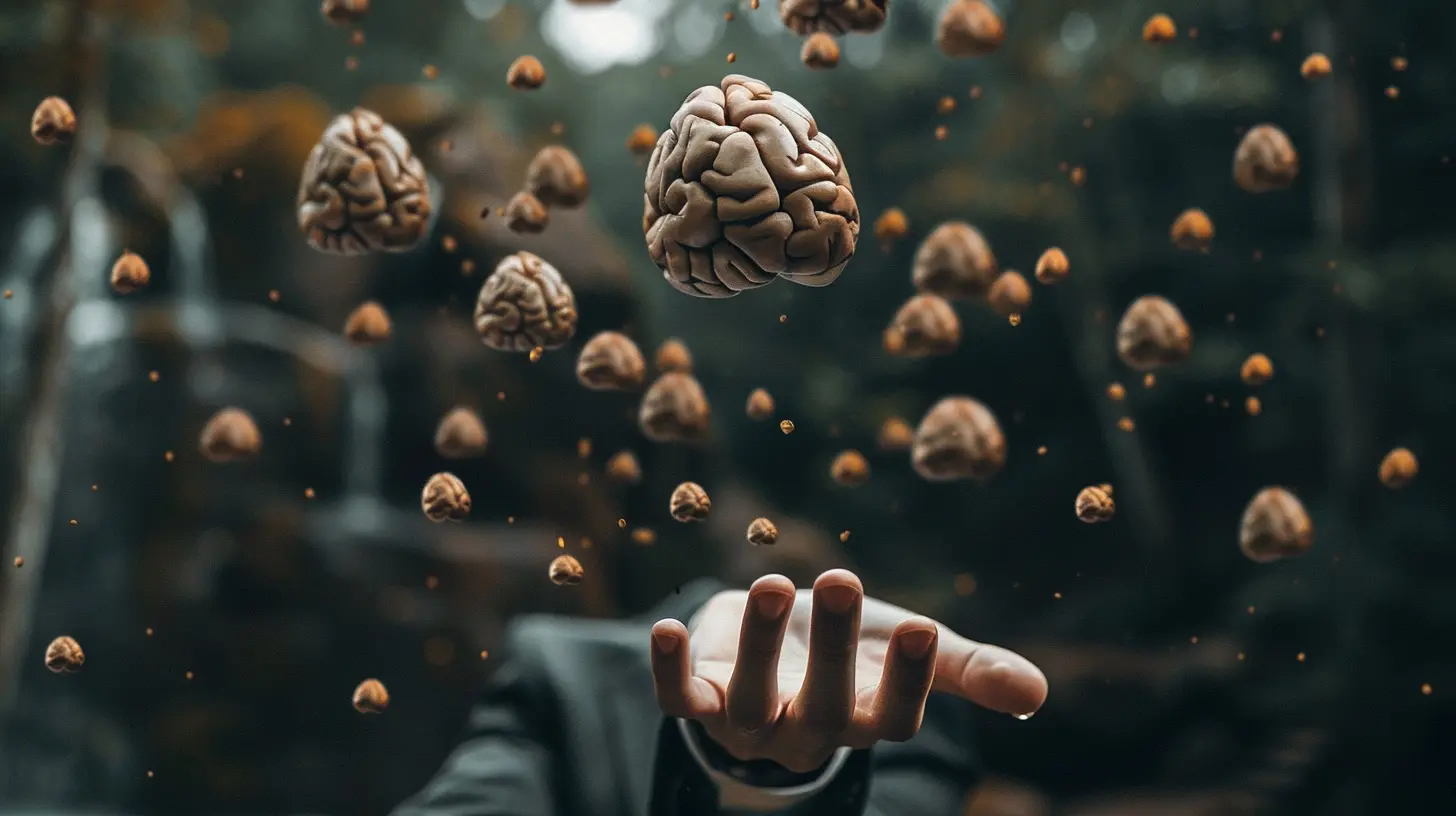
The Connection Between Executive Functions and Self-Control
Now let’s talk about self-control—you know, that magical ability to resist temptation and make smart choices. If executive functions are the CEO of your brain, then self-control is the HR department, making sure you don’t do anything reckless.Why Do Some People Struggle With Self-Control?
Ever wonder why some people can easily say no to dessert while others devour the whole cake? It’s not just about willpower; it’s about the brain. Self-control relies heavily on inhibitory control, a key executive function that stops us from acting on impulse.Some folks have a more developed prefrontal cortex (the part of the brain responsible for self-control), while others… well, let’s just say their inner toddler takes over way too often.
Quick Example: The Marshmallow Test
Remember that famous marshmallow experiment? Kids were given one marshmallow and told they’d get a second one if they could wait without eating it. Some kids held out, while others couldn’t resist. Turns out, the ones who waited grew up to have better life outcomes—higher academic success, healthier relationships, and even better financial stability.Bottom line? Self-control isn’t just about resisting sweets—it’s about setting yourself up for long-term success.

How Executive Functions Shape Planning Skills
Okay, so we know executive functions help with self-control, but what about planning? Because let’s be real—winging it might work sometimes, but having a solid plan makes life WAY easier.Why Is Planning So Hard?
Ever start a project, only to abandon it halfway through because you didn’t think things through? That’s poor planning, my friend, and guess what? It all ties back to executive functions.Planning requires:
- Working memory – So you can remember all the steps involved.
- Cognitive flexibility – Because life will throw curveballs, and you need to adapt.
- Inhibitory control – To stop you from procrastinating (yes, scrolling through TikTok instead of working counts).
Real-Life Example: The “I’ll Start Monday” Syndrome
You know that thing where you promise to start eating healthy “on Monday” but somehow never do? That’s poor executive functioning in action. Without a proper plan, motivation won’t do much. A solid plan includes clear goals, structured steps, and realistic deadlines—not just vague promises.
Strengthening Your Executive Functions for Better Self-Control and Planning
Now that you know why executive functions matter, let’s talk about how to actually improve them. Because let’s face it—knowing the problem is only half the battle.1. Train Your Brain Like a Muscle
Just like going to the gym strengthens your body, exercising your brain strengthens your executive functions. Activities like puzzles, memory games, and even meditation can boost your mental strength.2. Practice Delayed Gratification
If you struggle with impulse control, start small. Instead of buying that expensive gadget on impulse, wait 24 hours. Craving junk food? Try holding off for ten minutes before giving in. Small wins add up over time.3. Get Organized (Seriously, Just Do It)
A chaotic environment leads to a chaotic mind. Use planners, to-do lists, or even productivity apps to help you stay on track. The more structured your life is, the easier it becomes to stick to your plans.4. Work on Emotional Regulation
Let’s be real—emotions can hijack decision-making. Learning to manage stress, anxiety, and frustration can help improve your self-control and planning. Deep breathing, therapy, or even journaling can go a long way.5. Set SMART Goals
Ever heard of SMART goals? They’re:- Specific (Know exactly what you want).
- Measurable (Track progress).
- Achievable (Be realistic).
- Relevant (Make sure it actually matters to you).
- Time-bound (Set a deadline).
If you apply this system to your goals, your ability to plan (and stick to it) will improve drastically.
Final Thoughts
Executive functions might not sound exciting at first, but trust me—they’re the key to self-control, planning, and, ultimately, a more successful life. Whether you’re trying to resist temptations, manage your time better, or finally follow through on your plans, strengthening these mental skills is a total game-changer.So, next time you’re about to binge-watch an entire season of a show instead of tackling your to-do list, remember: your executive functions are either your best friend—or your worst enemy. Choose wisely.
all images in this post were generated using AI tools
Category:
Cognitive ScienceAuthor:

Christine Carter
Discussion
rate this article
2 comments
Joel Underwood
Incorporating strong executive functions into our daily lives empowers us to enhance self-control and improve planning. By honing these skills, we pave the way for personal growth and success. Remember, every small step you take towards mastering your mind brings you closer to your goals. Keep pushing forward!
January 27, 2026 at 5:27 AM
Christine Carter
Thank you for your insightful comment! Indeed, strengthening executive functions is crucial for personal development and achieving our goals. Every effort counts!
Taryn McDaniel
This article beautifully highlights the crucial link between executive functions and self-control. Understanding these concepts can empower us to enhance our planning skills and achieve our goals more effectively. Great read!
January 7, 2026 at 5:15 AM
Christine Carter
Thank you for your thoughtful comment! I'm glad you found the article insightful and that it resonates with the importance of executive functions in achieving our goals.