The Role of Bias in Forming First Impressions
7 November 2026
First impressions hold significant weight in our interactions, shaping our perceptions of others long before they utter a word. Bias plays a crucial role in this process, influencing how we interpret cues and behaviors, often in ways we do not consciously recognize. Understanding the complexities of bias can help us navigate social situations better and improve our relationships. This article delves into the various types of biases that affect first impressions, the psychological mechanisms behind them, and practical strategies to mitigate their impact.
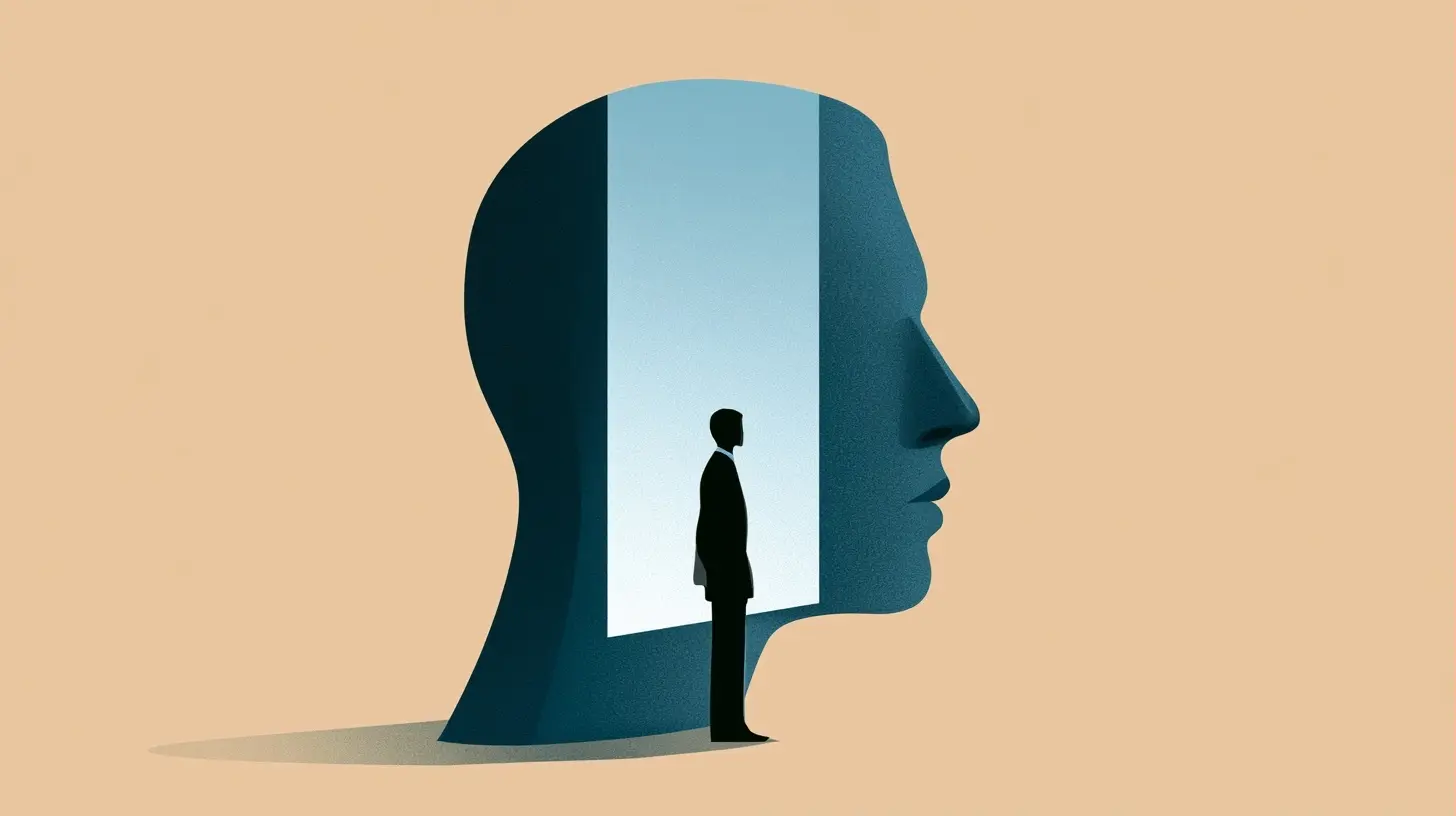
Understanding First Impressions
First impressions are typically formed within seconds of meeting someone. These impressions are influenced by a combination of visual cues, body language, tone of voice, and even context. Psychologists suggest that people tend to rely more on non-verbal cues than verbal ones, leading us to draw conclusions based on appearances rather than actual character or intent.The Importance of First Impressions
First impressions are critical for several reasons:1. Permanence: Once an impression is formed, it can be challenging to change. This tendency is known as the "primacy effect," where the initial information we receive about someone shapes our subsequent interactions and perceptions.
2. Social Judgment: People often make judgments about competence, trustworthiness, and likeability based on first impressions. These judgments can influence decisions in personal relationships, hiring processes, and social dynamics.
3. Cognitive Shortcuts: In a fast-paced world, our brains rely on cognitive shortcuts to quickly assess situations and people. While this can be efficient, it often leads to oversimplifications and inaccuracies.
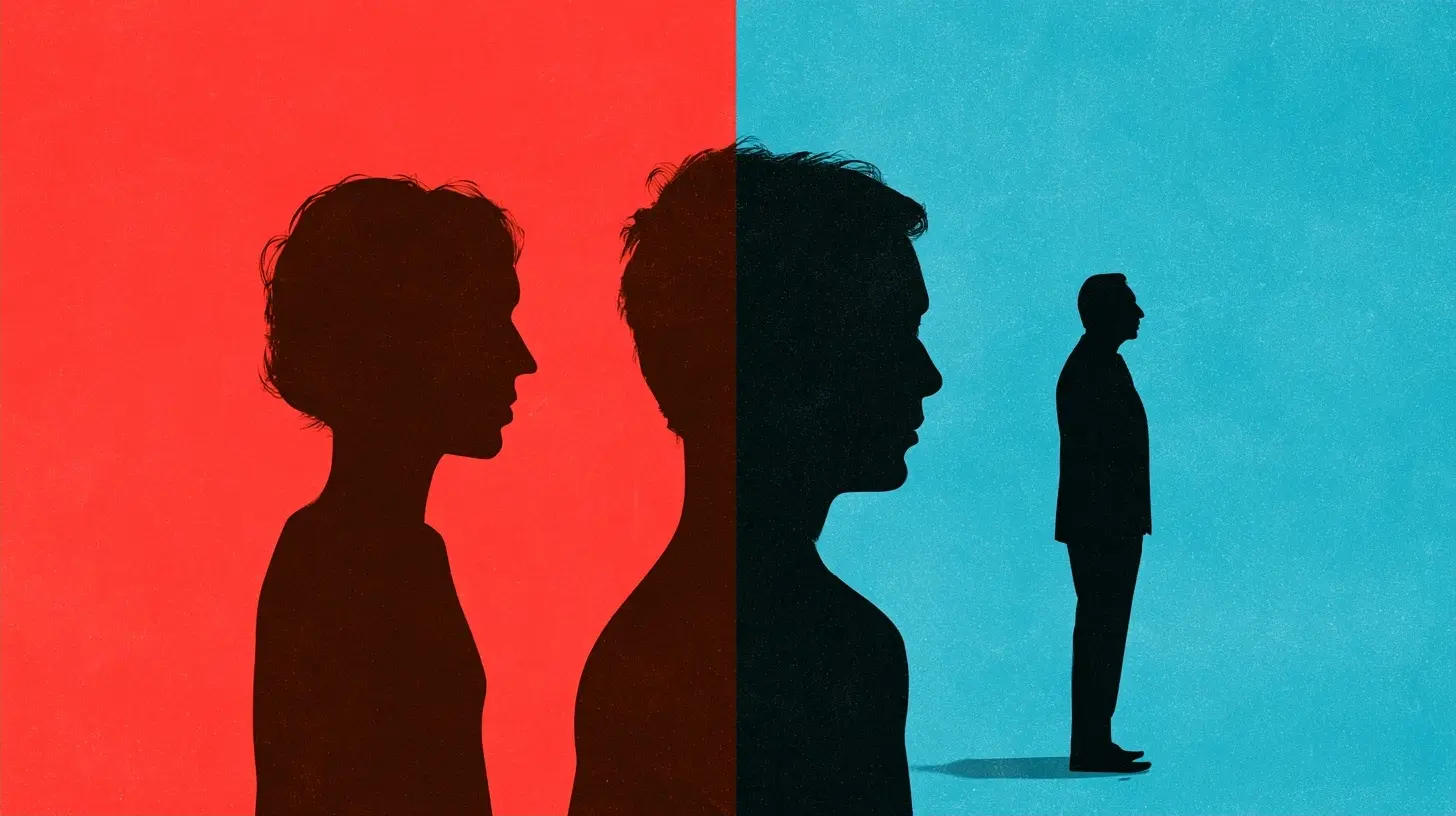
Types of Bias Influencing First Impressions
Bias manifests in various forms, each affecting how we perceive others. Here are some common biases that influence first impressions:1. Confirmation Bias
Confirmation bias occurs when we seek out information that confirms our pre-existing beliefs. For example, if we believe that someone with a certain appearance is unfriendly, we might focus on their negative behaviors while ignoring positive interactions. This can create a skewed perception that reinforces our initial impression.2. Halo Effect
The halo effect describes the tendency to let one positive trait influence our overall judgment of a person. For instance, if someone is exceptionally attractive, we might assume they are also kind, intelligent, or competent. This bias can lead to overrating a person's qualities based solely on one favorable characteristic.3. Stereotyping
Stereotyping is a cognitive shortcut that categorizes individuals based on group characteristics rather than assessing them as unique individuals. This can lead to misjudgments and reinforce societal biases. For instance, if we assume that someone from a particular background will behave in a certain way, we may overlook their individuality.4. Implicit Bias
Implicit bias refers to the unconscious attitudes or stereotypes that affect our understanding, actions, and decisions. These biases can be based on race, gender, age, or other characteristics. For example, a hiring manager may unconsciously favor candidates who resemble their own demographic group, leading to inequitable hiring practices.5. Availability Heuristic
The availability heuristic is a mental shortcut that relies on immediate examples that come to mind. If we frequently encounter negative stories about a specific group, we may develop a negative impression of individuals from that group, regardless of their actual behavior.
Psychological Mechanisms Behind Bias
Understanding the psychological mechanisms at play can provide insights into why biases affect our perceptions.Cognitive Dissonance
Cognitive dissonance occurs when we experience discomfort from holding conflicting beliefs or attitudes. For instance, if we have a negative impression of someone but later learn they have accomplished something impressive, we may feel compelled to reconcile these conflicting views, often favoring the negative impression. This can reinforce biases rather than diminish them.Social Identity Theory
Social identity theory posits that individuals derive part of their self-concept from their group memberships. This can lead to in-group favoritism and out-group discrimination, affecting how we perceive those outside our social circles. For example, if someone belongs to a different demographic group, we may be less likely to give them the benefit of the doubt in forming a first impression.The Role of Emotion
Emotions play a significant role in first impressions. Our emotional state can color our perceptions, leading us to interpret someone else's behavior through our emotional lens. For instance, if we are feeling anxious, we might misinterpret someone's neutral expression as unfriendly.
Mitigating Bias in First Impressions
While biases are inherent to human psychology, there are practical strategies to mitigate their impact on first impressions.1. Awareness and Reflection
The first step toward reducing bias is awareness. Reflect on your own biases and consider how they might influence your judgments. Keeping a journal of your first impressions and subsequent interactions can help you identify patterns and areas for improvement.2. Slow Down
In fast-paced environments, we often rush to form impressions. Take the time to engage in a mindful evaluation of the person you are meeting. Ask open-ended questions and actively listen to their responses to gather more context.3. Challenge Stereotypes
Make a conscious effort to challenge the stereotypes you hold. When you find yourself categorizing someone, remind yourself that they are an individual with unique experiences and traits. This can help you form a more nuanced impression.4. Seek Diverse Perspectives
Engaging with individuals from diverse backgrounds can broaden your understanding and challenge your biases. This exposure can lead to more informed and equitable judgments about others.5. Practice Empathy
Cultivating empathy allows you to understand others' perspectives and experiences. When forming a first impression, consider the context of someone's behavior and the potential challenges they may face.6. Feedback and Accountability
Seek feedback from trusted friends or colleagues regarding your impressions and judgments. They can provide valuable insights into any biases you may not recognize and hold you accountable for changing your behavior.Real-World Examples
To illustrate how bias can affect first impressions, consider the following scenarios:Example 1: Job Interviews
In a job interview, a hiring manager may unconsciously favor candidates who mirror their own background or demographic traits. This bias can lead to qualified individuals being overlooked in favor of less qualified candidates who fit a specific mold. Companies that implement structured interviews and diverse hiring panels can reduce this bias and foster a more equitable hiring process.Example 2: Social Gatherings
At social gatherings, individuals may form quick impressions based on appearance or initial interactions. For example, a person dressed casually might be judged as less professional or serious than someone in formal attire, regardless of their actual capabilities. Being aware of this bias can encourage individuals to engage more openly with a diverse range of attendees.Example 3: First Encounters in Education
Teachers may form first impressions of students based on external factors, such as behavior or appearance. A student who appears disengaged may be unfairly labeled as a troublemaker, while a well-behaved student may be perceived as more intelligent. Training educators to recognize and address their biases can create a more inclusive and supportive learning environment.
Common Mistakes and Misconceptions
Despite our best intentions, several common mistakes can perpetuate bias in forming first impressions.Misconception 1: Bias is Always Negative
While biases can lead to negative outcomes, they can also result in positive impressions. For instance, the halo effect can cause someone to overlook negative traits in a highly regarded individual. Recognizing both sides of bias is essential for a balanced perspective.Misconception 2: First Impressions Are Unchangeable
While first impressions can be lasting, they are not immutable. People can change perceptions through consistent positive interactions. Understanding the malleability of first impressions can motivate individuals to work on their behaviors and improve how they are perceived.Misconception 3: Everyone Experiences Bias the Same Way
Bias varies from person to person based on individual experiences, cultural backgrounds, and social contexts. Recognizing this variability can foster a more compassionate understanding of others' behaviors and perceptions.Best Practices for Forming Positive First Impressions
To create a positive first impression, consider the following best practices:1. Be Authentic: Authenticity fosters trust. When you present yourself genuinely, others are more likely to respond positively.
2. Maintain Open Body Language: Your body language can communicate openness and approachability. Smile, make eye contact, and avoid crossing your arms.
3. Practice Active Listening: Show genuine interest in the other person's words. This not only creates rapport but also helps you gather more information to inform your impressions.
4. Be Mindful of Context: Consider the context of your interaction. A person's behavior in a high-stress situation might not reflect their true character.
5. Follow Up on Impressions: If you find that your initial impression may have been biased, take the initiative to reconnect with the individual. A follow-up conversation can provide new insights and help correct any misjudgments.
Conclusion
Bias plays a multifaceted role in shaping first impressions. While it can lead to inaccurate judgments, being aware of these biases can empower individuals to make more equitable and informed assessments of others. By fostering an understanding of the psychological mechanisms at play and adopting practical strategies to mitigate bias, we enhance our interpersonal relationships and contribute to a more inclusive society.
all images in this post were generated using AI tools
Category:
Cognitive BiasesAuthor:

Christine Carter