The Power of First Impressions: A Cognitive Bias Breakdown
12 November 2026
First impressions are powerful. They form almost instantaneously, often within seconds of meeting someone new. This swift judgment can have long-lasting effects on relationships, opportunities, and even professional advancement. Understanding the cognitive biases at play during these initial encounters can help individuals navigate social and professional landscapes more effectively.
What is a First Impression?
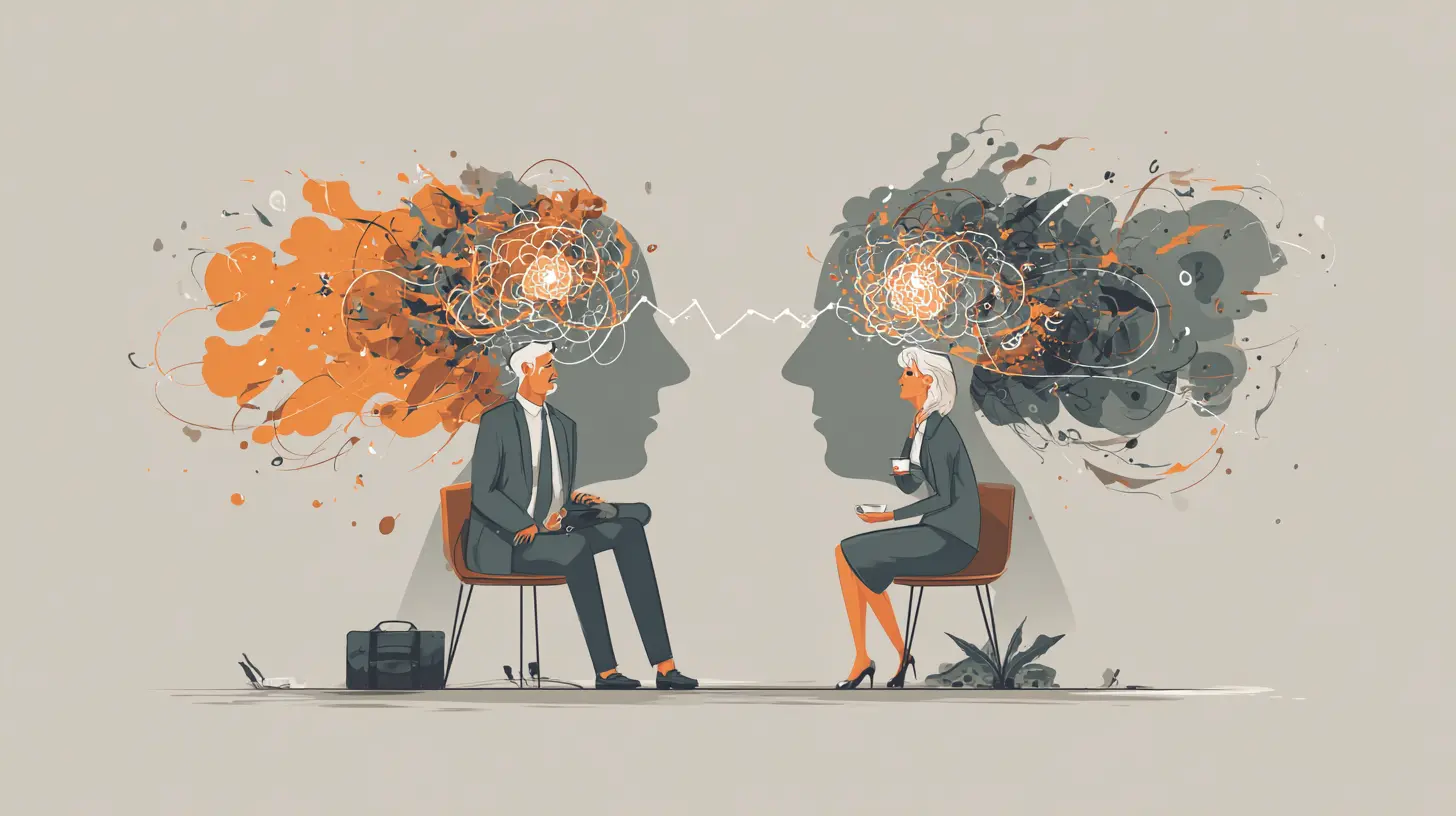
A first impression is the initial perception one person forms of another based on visual, auditory, and behavioral cues. These impressions can be influenced by non-verbal signals, like body language and facial expressions, as well as verbal cues, including tone of voice and even choice of words.The Speed of First Impressions
Research indicates that people can make judgments about others in as little as one-tenth of a second. This rapid assessment is a survival mechanism rooted in our evolutionary past, enabling quick decisions about trustworthiness and social belonging. But while this instinct can be beneficial, it can also lead to distortions in judgment.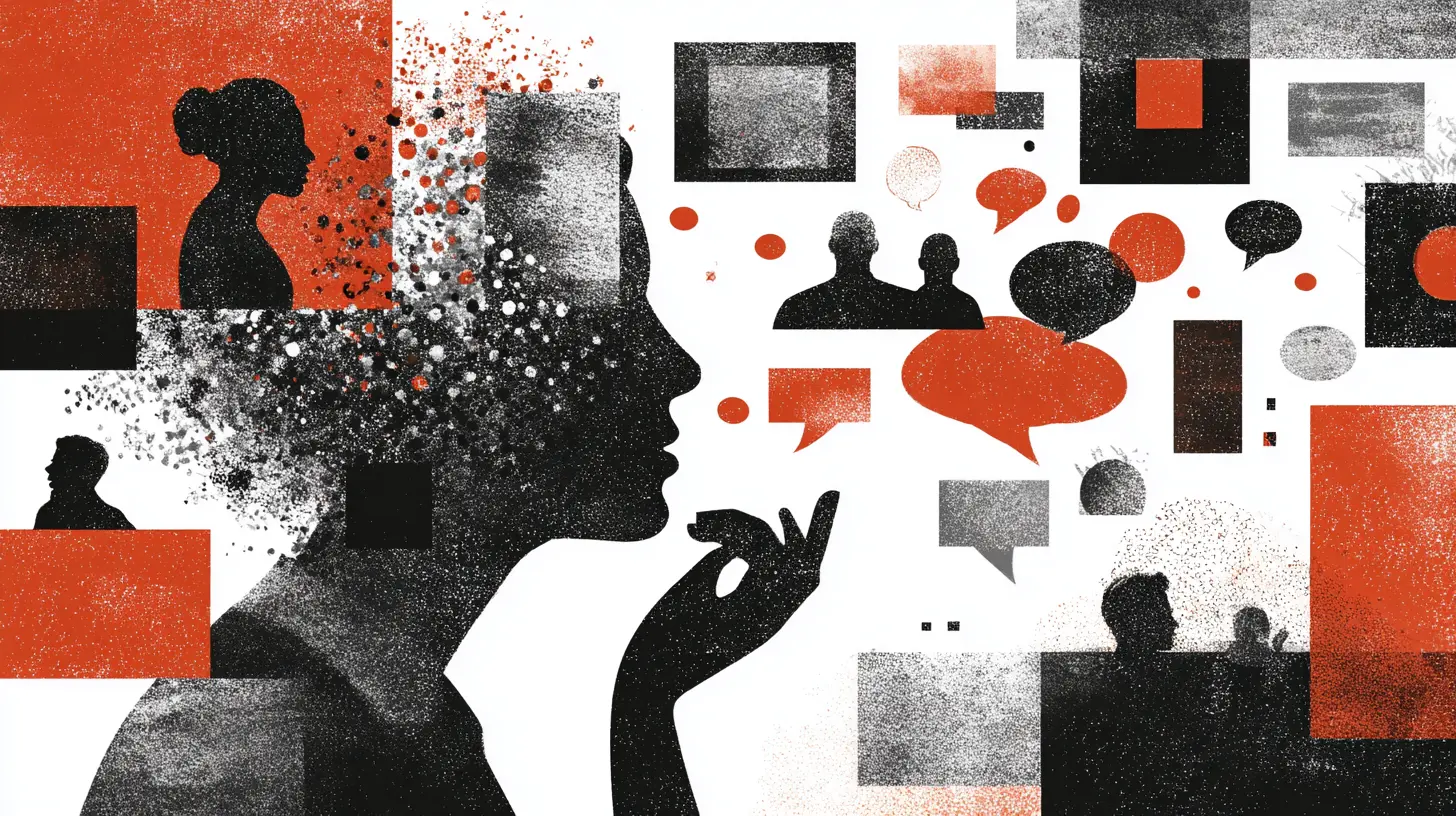
The Role of Cognitive Biases
Cognitive biases are systematic patterns of deviation from norm or rationality in judgment. They influence how we perceive and interpret information. When it comes to first impressions, several cognitive biases come into play.Halo Effect
The halo effect occurs when an initial positive impression leads to an overall favorable perception. For example, if someone appears attractive or displays confidence during an introduction, others may unconsciously assume they possess other positive traits, such as intelligence or kindness.Practical Implication
Understanding the halo effect can help individuals present themselves more effectively. A polished appearance and confident demeanor can enhance perceptions in a professional setting. However, this creates a trade-off; overemphasis on appearance may lead to superficial relationships.Confirmation Bias
Once a first impression is formed, confirmation bias can take over. This bias leads individuals to focus on information that supports their initial judgment while disregarding contrary evidence. For instance, if a person judges someone as unfriendly, they may overlook moments of kindness, reinforcing their original impression.Real-World Example
In a workplace scenario, an employee may perceive a new manager as overly critical. This initial judgment can cloud their interactions, leading to a self-fulfilling prophecy where the employee remains defensive, prompting the manager to respond in ways that seem critical.Sunk Cost Fallacy
The sunk cost fallacy relates to the tendency to stick with a decision based on prior investments, whether emotional or financial. In social interactions, this bias can mean continuing a relationship based on a strong first impression, even if subsequent interactions prove disappointing.Common Mistake
Many individuals remain in friendships or professional partnerships that no longer serve them due to an initial positive experience. Recognizing this bias can help individuals reassess relationships more objectively.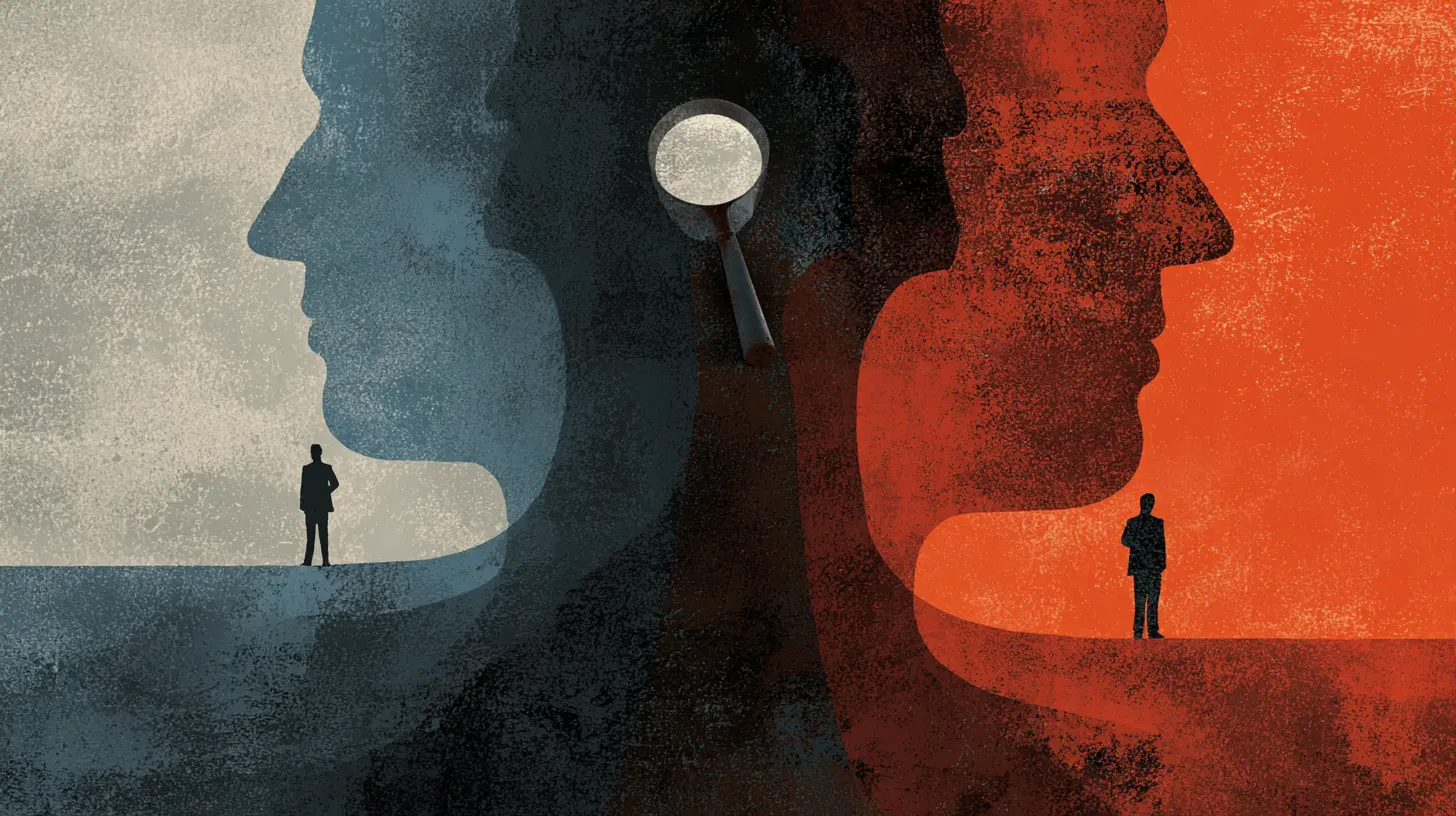
The Impact of Context
First impressions do not exist in a vacuum. The context in which individuals meet plays a significant role in shaping perceptions.Environmental Factors
The setting can influence how first impressions are formed. For example, a casual setting may lead to more relaxed judgments, whereas a formal environment may heighten expectations. Consider how a job interview differs from a networking event; the stakes and the atmosphere shape how individuals present themselves and how others perceive them.Cultural Influences
Cultural background also impacts first impressions. Norms surrounding eye contact, personal space, and communication styles vary widely. For instance, in some cultures, direct eye contact is seen as confident, while in others, it may be perceived as confrontational. Awareness of these differences can mitigate misunderstandings during initial encounters.
The Science Behind First Impressions
Research on first impressions has produced intriguing findings that illuminate why they matter so much.Neuroscience Insights
Studies show that the brain processes social information in a way similar to how it handles threats. When meeting someone new, the brain quickly evaluates attributes like trustworthiness and attractiveness, activating areas associated with emotional responses. This can lead to snap judgments that are difficult to alter later.Social Psychology Studies
Numerous studies have demonstrated the significance of first impressions. For example, a classic study by Ambady and Rosenthal found that thin slices of behavior-brief snippets of interaction-could predict subsequent evaluations made by others with remarkable accuracy.Strategies for Making Positive First Impressions
Understanding the mechanics of first impressions allows individuals to cultivate more favorable encounters. Here are strategies to consider:Authenticity
Strive for authenticity. While it is tempting to present an idealized version of oneself, genuine interactions foster trust. People are more likely to connect with those who appear sincere.Mindful Body Language
Non-verbal communication is critical. Open body language, such as uncrossed arms, eye contact, and a warm smile, can make individuals seem more approachable. Conversely, closed-off body language can create barriers.Dress for Success
While appearances should not dominate judgments, presenting oneself well is important. Dressing appropriately for the occasion conveys respect and confidence. However, be cautious of overemphasizing appearance at the expense of authenticity.Active Listening
Engagement during an interaction enhances the likelihood of a positive impression. Active listening, which involves fully concentrating on what the other person is saying, can build rapport and demonstrate interest.
Maintaining Positive Impressions Over Time
First impressions can be powerful, but maintaining a positive perception requires ongoing effort.Consistency in Behavior
Once a first impression is established, individuals must strive to maintain consistency in their actions. Inconsistency can lead to confusion and mistrust. For example, if a person initially appears friendly but later acts aloof, this can damage their reputation.Seeking Feedback
Constructive feedback from trusted peers can provide insights into how others perceive you. This reflection can help adjust behaviors that may not align with the intended impression.Flexibility and Adaptability
Being adaptable is crucial. First impressions may evolve as individuals engage in deeper interactions. Staying open to different perspectives and experiences can enhance relationships over time.Common Misconceptions About First Impressions
Several misconceptions can cloud understanding of first impressions.They Are Permanent
Many assume first impressions are fixed and unchangeable. While they can be potent, they are not set in stone. Subsequent interactions can alter perceptions, especially if individuals show growth or change.First Impressions Are Solely Based on Looks
While appearance plays a role, first impressions also hinge on behavior, communication style, and context. Understanding this can help individuals focus on a holistic approach rather than superficial attributes.All First Impressions Are Equal
Not all first impressions carry the same weight. A first impression in a casual social setting may differ significantly from one in a high-stakes professional environment. Recognizing the context can help individuals navigate interactions more effectively.
Balancing First Impressions and Authenticity
Striking a balance between making a strong first impression and being true to oneself can be challenging. Here are ways to navigate this balance:Be Prepared, Yet Genuine
Preparation can enhance initial interactions. However, over-rehearsing can lead to a mechanical presentation. Aim for a balance where authenticity shines through while still being mindful of how you present yourself.Embrace Vulnerability
Showing vulnerability can foster deeper connections. While it may feel risky, sharing genuine thoughts and feelings can create a more meaningful impression than projecting an image of perfection.Conclusion
The power of first impressions is profound. They can shape relationships, influence opportunities, and even alter the trajectory of one's career. Understanding the cognitive biases that underlie these impressions equips individuals to navigate social situations more effectively. By being mindful of how first impressions are formed, individuals can take actionable steps to present themselves authentically while fostering connections that endure.
all images in this post were generated using AI tools
Category:
Cognitive BiasesAuthor:

Christine Carter