The Influence of Childhood Bullying on Adult Psychopathology
20 June 2026
Let’s get real for a second — childhood is supposed to be a carefree time filled with scraped knees, secret forts, and way too much ice cream. But for many people, it doesn't quite pan out that way. If you were bullied as a kid or know someone who was, you understand that those experiences leave more than just temporary bruises. In fact, the effects can chase a person well into adulthood. Yep, we're talking decades later.
So, how does that playground torment affect someone’s mental health as an adult? Buckle up, because today we’re diving headfirst into the surprisingly deep and emotionally charged connection between childhood bullying and adult psychopathology. (Try saying that five times fast.)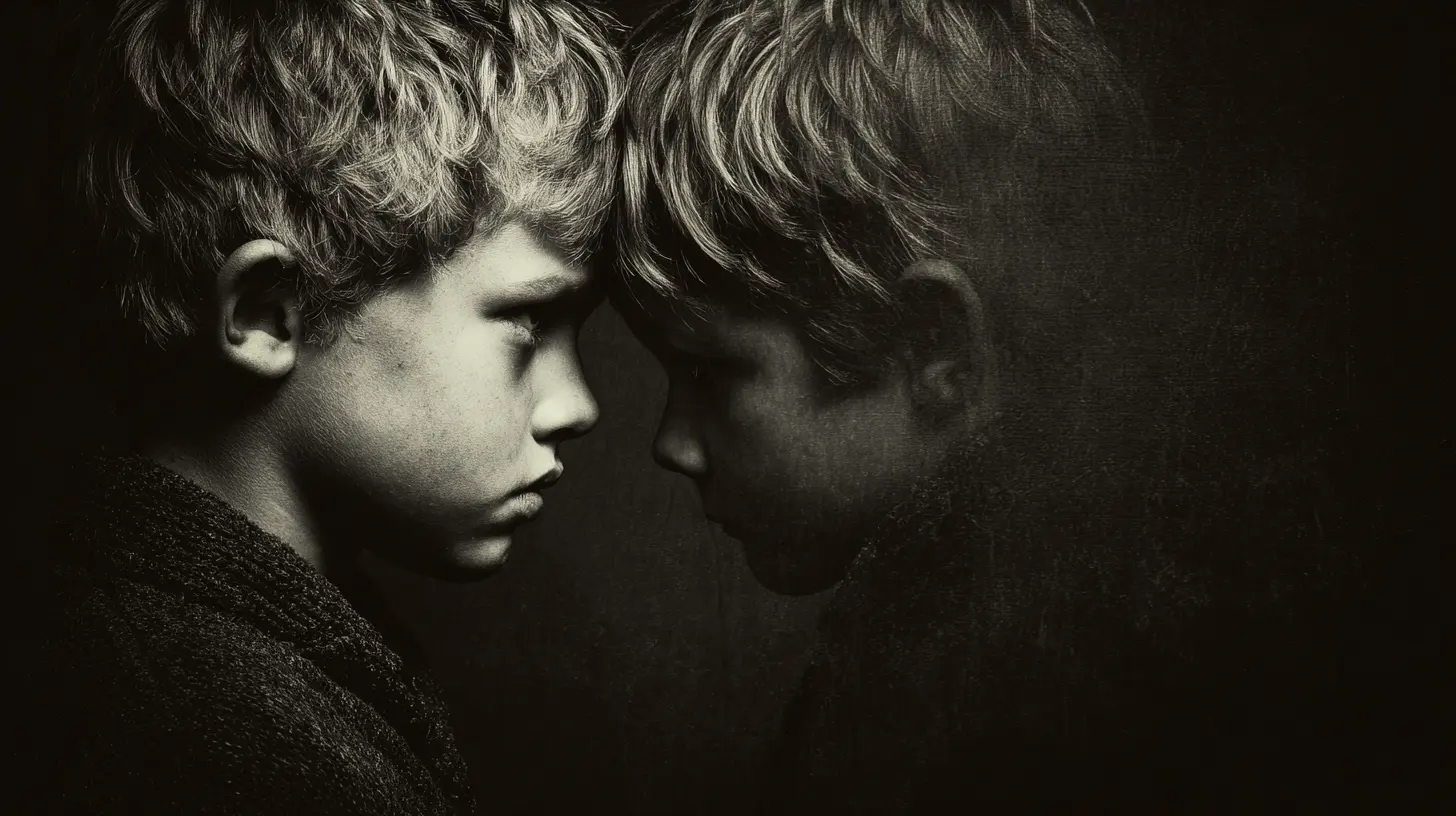
First Things First: What Do We Mean by "Childhood Bullying"?
Before we go all-in, let’s nail down what childhood bullying really means. Spoiler alert: it’s not just harmless teasing or a bad day at recess.Bullying is repeated aggressive behavior intended to hurt another person. It can take a lot of different forms — physical violence, verbal abuse, social exclusion, and now, thanks to smartphones, cyberbullying. Any of that sound familiar?
What makes bullying particularly damaging is the imbalance of power. Maybe it's the older kid who always shoves the younger ones in the hallway, or a group of classmates that ostracizes someone because they're "different." Over time, that kind of pressure adds up. It’s like emotional erosion.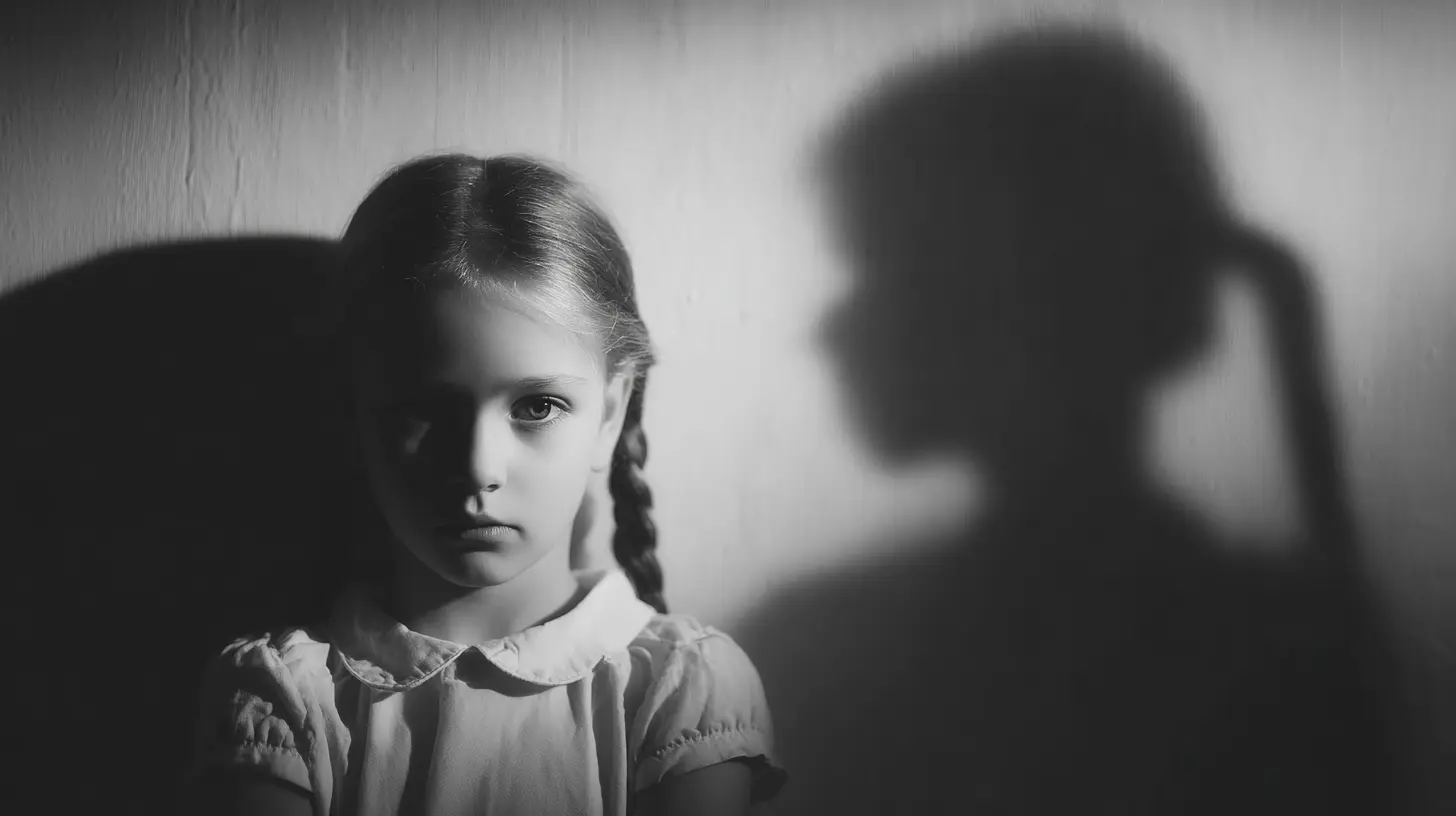
Adult Psychopathology: A Fancy Way of Saying “Mental Health Struggles”
Psychopathology is just a big, clinical word for the study of mental disorders. Although it sounds scary, it essentially boils down to mental health challenges like depression, anxiety, PTSD, substance abuse, or even personality disorders.When we talk about adult psychopathology in this context, we're referring to the not-so-great mental health patterns that sometimes emerge as lingering scars from childhood bullying. And make no mistake — these aren’t just “in your head.” They're very real, very impactful, and very treatable (more on that later).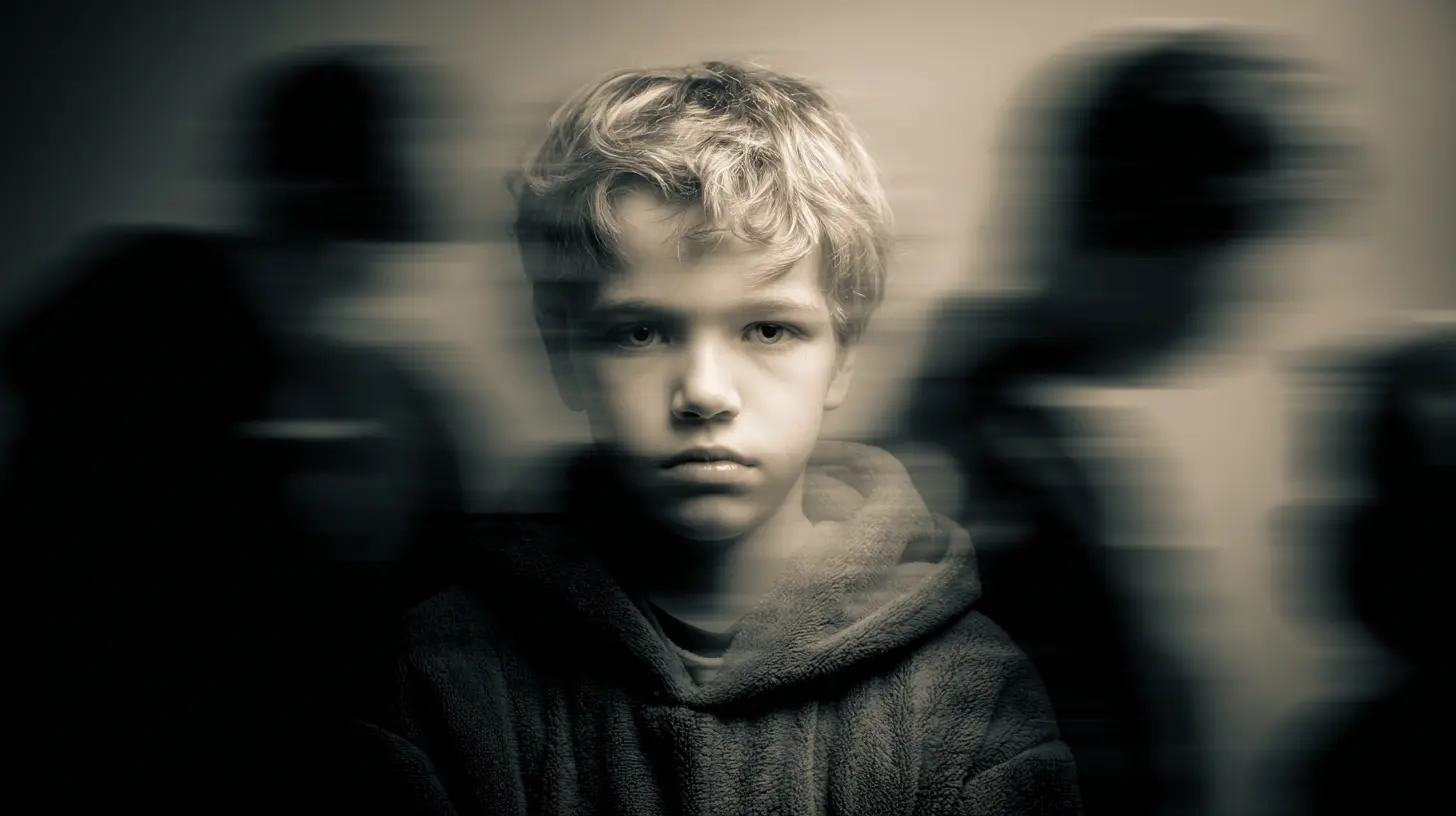
The Mind-Body Connection: How Bullying Messes With Your Brain
So, you’re probably wondering, “Can mean kids on the playground really mess up your brain?” Weirdly enough, yes.Bullying during childhood actually changes how the brain develops. No, really — studies using fancy machines like MRIs show that those who were bullied have structural brain changes in areas responsible for emotion regulation, decision-making, and stress response.
This can lead to something called a hypersensitive stress response. In other words, your brain starts seeing danger where there isn’t any, because it’s been trained to stay on high alert. It’s like your internal alarm system starts setting off fireworks for a burnt piece of toast.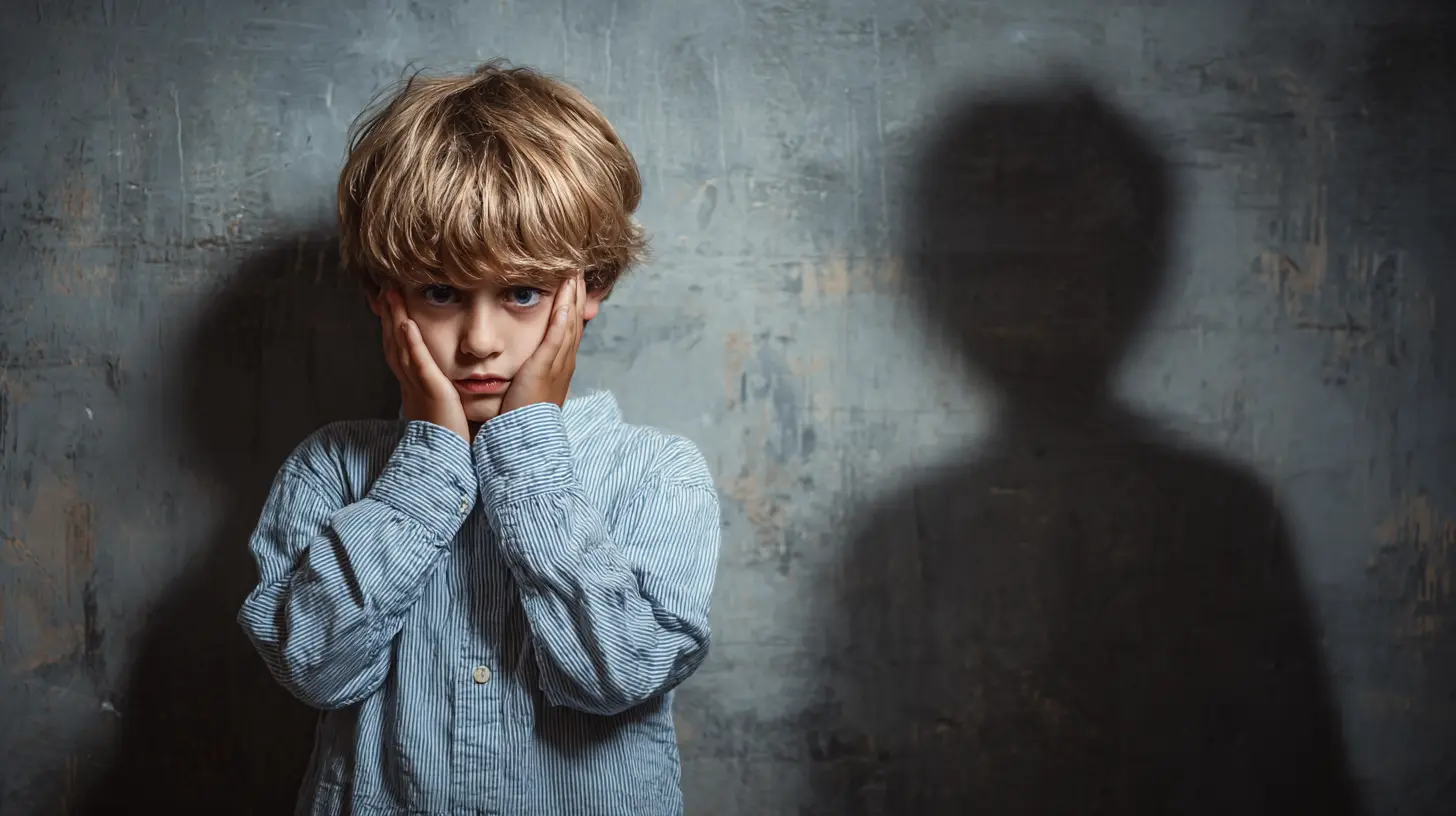
Anxiety and Depression: The Usual Suspects
Two of the most common mental health struggles linked to childhood bullying are anxiety and depression. And this probably doesn’t come as a shock to anyone.Imagine spending your early years constantly worrying about humiliation, exclusion, or physical harm. That sense of fear and isolation takes root, and it doesn't just vanish when you graduate or get a job. Nope. It hitches a ride straight into adulthood.
Many people who were bullied as kids report chronic anxiety, low self-esteem, and persistent sadness. They’re more likely to catastrophize situations and struggle with relationships. It’s like constantly looking at life through a cracked lens — things just feel off.
PTSD: It’s Not Just for Soldiers
Here's a twist you might not have expected — childhood bullying can actually lead to PTSD (Post-Traumatic Stress Disorder). While most people associate PTSD with extreme events like war or natural disasters, bullying — especially when it’s repeated and severe — can be traumatizing too.People with PTSD from bullying might experience flashbacks, nightmares, emotional numbing, or even physical symptoms like headaches or stomach aches. It’s like your brain hit the replay button on the worst moments of your past and forgot how to stop it.
Relationships? Yeah, Those Might Be Tough Too
Adult relationships — whether romantic, platonic, or professional — can feel like walking through a social minefield when you've been bullied as a kid.Why? Because bullying teaches you some pretty toxic lessons about trust, worthiness, and how people treat each other. If you were constantly told, “You’re ugly,” “Nobody likes you,” or “You’re a loser,” those beliefs can sneakily become part of your identity.
This often leads to problems like:
- Difficulty trusting others
- Fear of intimacy or rejection
- Overcompensating or people-pleasing
- Isolation or avoidance of closeness
It’s a little like trying to build a house on a broken foundation — shaky and full of cracks.
The Inner Critic: A Bully Living in Your Head
Ever notice that inner voice that tells you you’re not good enough? That, my friend, might be the ghost of a childhood bully. Over time, those external insults can internalize. And once inside, they morph into harsh self-talk.The worst part? Many adults don’t even realize they’re doing it. That inner critic becomes background noise — sabotaging your confidence, creativity, and even job performance.
But here’s the kicker: just because the bullying is over doesn’t mean the pain stops. Often, we become our own biggest critic, continuing the cycle that someone else started.
Substance Abuse: A Not-So-Fun Coping Mechanism
When emotional pain becomes too much to bear, people often look for quick escape routes. Unfortunately, that sometimes leads to drugs, alcohol, or risky behavior.Many adults with a history of childhood bullying report using substances to numb emotional distress or feel a temporary sense of control. While it might work in the short term, the long-term toll is massive — increased risk of addiction, health issues, and deepened mental health struggles.
It’s like trying to put out a fire with gasoline. Not ideal.
Resilience and Recovery: It’s Not All Doom and Gloom
Okay, deep breath. This has been heavy, right? But here’s the good news — and yes, there is good news!Not everyone who experiences childhood bullying ends up struggling as an adult. In fact, some people develop incredible resilience. They use their pain to fuel compassion, purpose, and even advocacy.
Also, mental health is not a one-way street. Healing is 100% possible. Therapy (especially trauma-informed care), support groups, medication, and healthy lifestyle changes can make a world of difference.
Even something as simple as journaling or learning to challenge negative thoughts can help rewrite that old story you’ve been telling yourself.
Tips for Healing (Even If It’s Been Years)
If you’re someone who went through bullying as a kid and still feel the ripple effects, you’re not alone. And more importantly, you’re not broken. Try these steps — they aren’t magic, but they’re a solid place to start:1. Acknowledge What Happened
Don’t downplay it. Bullying was real and harmful — your feelings are valid.2. Talk to Someone
Find a therapist who specializes in trauma. Trust me, talking actually helps.3. Reframe Your Inner Dialogue
Catch that inner bully in action and challenge it. Would you talk to a friend this way?4. Write It Out
Journaling can help connect dots between past and present emotions. Plus, it’s free therapy.5. Surround Yourself with Supportive People
Ditch toxic relationships and nurture the ones that make you feel safe and accepted.Parents and Teachers, Heads Up!
If you’re parenting or working with kids, you play a massive role in preventing this cycle. Keeping an eye out for signs of bullying — and taking action early — can literally change a child’s future.Things to watch for: withdrawal, anxiety, changes in eating or sleeping, declining grades, or sudden aggression. Be the safe space. Sometimes, all it takes is one caring adult to turn the tide.
Final Thoughts: From Pain to Power
Childhood bullying can leave deep wounds, sure. But those scars don’t have to define you. They’re chapters in your story, not the whole book.There’s something wildly empowering about recognizing the connection between your past and your present. Once you do, you gain the power to start writing your next chapter on your own terms — full of healing, growth, and maybe even a little joy.
So, if you were that kid who got picked last, laughed at, or pushed around — just know this: You’re not alone. You’re stronger than you think. And there’s still time to kick that inner bully to the curb.
all images in this post were generated using AI tools
Category:
PsychopathologyAuthor:

Christine Carter
Discussion
rate this article
1 comments
Calder Stone
It's fascinating how childhood experiences shape our mental health. Understanding this connection could really help us heal.
June 29, 2026 at 2:36 AM
Christine Carter
You're right. Childhood experiences, especially bullying, leave lasting impacts. Recognizing this connection is key to healing and improving mental health.