The Importance of Self-Care When Battling Depression
28 April 2026
Let’s be real—depression sucks.
It’s more than just feeling sad or having a bad day. It can feel like walking through quicksand wearing a backpack full of bricks. Even the smallest tasks—getting out of bed, brushing your teeth, replying to a text—can feel impossible. And let’s not even talk about work, relationships, or personal goals. When you're battling depression, everything can seem gray, heavy, and a little meaningless.
But here's the thing—self-care matters. In fact, it may just be your secret weapon.
Now, before you roll your eyes and say, “Great, another list of bubble baths and face masks,” hold on a sec. What we’re talking about here is real, practical, life-sustaining self-care. The kind of self-care that helps you manage your mental health, not just polish your Instagram feed.
So, if you're grappling with depression or you care about someone who is, this is for you. Let’s dive into why self-care is more than just important—it’s essential.
What Is Self-Care, Really?
Let’s start by clearing up a major misconception.Self-care isn’t about being “selfish,” indulgent, or lazy. It’s not always about treating yourself to chocolate cake or spa days (though those can have their place). Self-care is any action you take—big or small—to nurture your physical, emotional, mental, or spiritual well-being.
Think of it like this: You wouldn’t let your phone battery hit 0% and then expect it to work. Yet we do that with ourselves all the time. Self-care is how you charge your internal battery so you can keep going—even if it's just crawling some days.
Why Depression Makes Self-Care Hard
Let’s be honest: when you're depressed, doing the things that are supposed to help can feel almost impossible.Why? Because depression lies to you. It tells you that you’re worthless. That it won’t help. That there’s no point. It drains your energy, your motivation, and your ability to concentrate. This makes even the easiest tasks—like eating breakfast or taking a shower—feel like climbing Mount Everest in flip-flops.
But here’s the twist: self-care is also one of the most powerful antidotes to these feelings, even if it doesn’t feel like it right away.
It’s a paradox—self-care feels hardest when you need it most. That’s why understanding the importance of self-care, and practicing it consistently even when it feels useless, can genuinely transform your mental health.
The Science Behind Self-Care and Depression
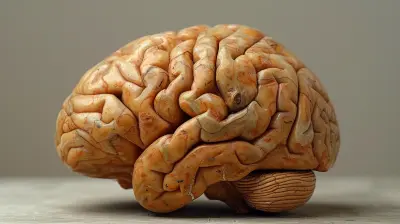
Let’s bring in a little science (don’t worry, no boring textbook stuff).When you engage in self-care, you’re helping regulate your nervous system, reduce cortisol (your stress hormone), and boost neurotransmitters like serotonin and dopamine. These are the very brain chemicals that take a hit when you’re battling depression.
Self-care can:
- Improve sleep quality
- Reduce anxiety and stress
- Increase focus and clarity
- Enhance emotional regulation
- Build a greater sense of self-worth and identity
It’s kind of like exercise for your mental muscles. The more you practice, the stronger you get—even if at first it feels pointless.
Building Your Personal Self-Care Toolkit
Here's where things get personal. The best self-care routine is the one that fits you. What works for your friend might not work for you—and that’s totally okay.Let’s break it down into four key areas so you can build a toolkit that actually helps.
1. Physical Self-Care: Don’t Neglect the Basics
When you’re depressed, taking care of your physical body can feel like too much. But things like sleep, food, and movement play a huge role in brain health.- Sleep: Depression and sleep go hand-in-hand. Aim for consistency, even if it’s just creating a simple bedtime routine.
- Nutrition: You don’t need a perfect diet, but try to fuel your body with food that supports energy and mood—think whole grains, leafy greens, healthy fats.
- Movement: You don’t need to run marathons. A 10-minute walk, stretching your body, or dancing in your room totally counts.
Even putting on clean clothes or brushing your hair—those count too. Small steps. Big wins.
2. Emotional Self-Care: Validate How You Feel
Depression loves to make you stuff your feelings deep down where nobody can see them. But emotional self-care means making space for those feelings without judgment.- Journaling: Write it out—no filter. Nobody else needs to see it.
- Talking to someone: Whether it’s a therapist, friend, or support group—sharing can lighten the load.
- Saying “no”: Protect your peace. Set boundaries. You’re allowed to.
Name your feelings. Feel them. Then let them move through you instead of getting stuck in you.
3. Mental Self-Care: Quiet the Chaos
Your mind can be a noisy place when depression hits. Negative thoughts loop on repeat and everything feels overwhelming.- Mindfulness or meditation: Just a few minutes can make a difference. Focus on your breath, the sounds around you, or even the taste of your tea.
- Limiting negative input: Cut back on doomscrolling, toxic news, or draining social media accounts.
- Practicing gratitude: I know this sounds cliché, but even naming one thing you’re grateful for—like “I got out of bed today”—can shift your mind’s focus.
Mental self-care is like decluttering your brain one corner at a time.
4. Spiritual Self-Care: Reconnect with Meaning
This isn't about religion—unless that matters to you. Spiritual self-care is about connecting to something bigger than you. Something that gives you hope or a sense of peace.- Nature walks: Being outside can ground you in the present moment.
- Creative expression: Write, paint, sing, or build—create something that’s yours.
- Meditation or prayer: For many, this brings comfort and clarity.
- Volunteering or helping others: Sometimes giving back reminds us of our value and purpose.
When depression makes life feel meaningless, spiritual self-care can help you re-discover a sense of purpose.
Make It Manageable: Tiny Habits That Matter
Here’s the key takeaway: You don’t need a perfect self-care routine.Start with one small thing. One glass of water. One five-minute stretch. One deep breath.
Then build on that.
Consider using the “two-minute rule.” If something takes under two minutes, do it now. Like brushing your teeth, making your bed, replying to that text.
These micro-habits might not feel like much, but they’re building blocks. You’re re-training your brain to engage, to care, to heal. Over time, those little wins become momentum.
What If You Slip Up?
You will. We all do. That’s part of the process.Self-care isn’t about perfection; it’s about showing up—again and again. If today was a write-off, start fresh tomorrow. Or in an hour. Or in five minutes. It’s never too late to start over.
Be gentle with yourself. Speak to yourself like you would to a close friend. You don’t have to have it all together to take care of yourself.
Talking to a Professional Is Self-Care Too
This part’s important: self-care doesn’t mean doing it all alone.Seeing a therapist, asking your doctor for help, or even reaching out to a crisis line is also self-care. Sometimes the best thing you can do for yourself is ask for support.
Mental health professionals are trained to give you tools, strategies, and support systems that can make the journey easier. You’re not weak for needing help—you’re human.
Final Thoughts: You Deserve to Feel Better
If you’ve read this far, let me say this: you are already doing something good for yourself.Depression is tough. It’s sneaky and exhausting. But self-care—real, intentional, messy self-care—can help you find your way through the fog.
It’s not a magic cure. But it’s a step. And then another. And then another.
So, honor the small wins. Celebrate the tiny victories. And tomorrow, try again.
Because you matter. And you’re worth the effort.
all images in this post were generated using AI tools
Category:
DepressionAuthor:

Christine Carter
Discussion
rate this article
1 comments
Zayden Snyder
Lovely reminder. Self-care isn't selfish; it's the foundation of healing. Even one small, gentle act—a deep breath, a warm drink—can be a powerful anchor. You are worthy of that kindness. Keep going, one kind moment at a time.
April 30, 2026 at 2:27 AM
Christine Carter
Thank you for your thoughtful words. Every small act truly makes a difference.