The Impact of Trauma on Criminal Behavior: A Forensic Approach
18 June 2026
Let’s be real — crime doesn’t just happen in a vacuum. People don’t wake up one morning and decide to rob a store or harm someone without something pushing them toward that edge. Sometimes, that "something" is trauma. Yeah, that five-letter word that packs a heavy punch. Trauma can leave scars that go way deeper than bruises, and it can mess with a person’s emotional and psychological wiring in ways we’re just beginning to understand.
In this article, we’re diving deep into how traumatic experiences — particularly those from early life — can shape an individual’s behavior and potentially lead them down a criminal path. We’ll peel back the layers of human psychology, sift through forensic data, and crack open the cases that connect trauma to crime. It’s part psychology class, part true crime documentary, and a whole lot of “Wow, I didn’t know that!”
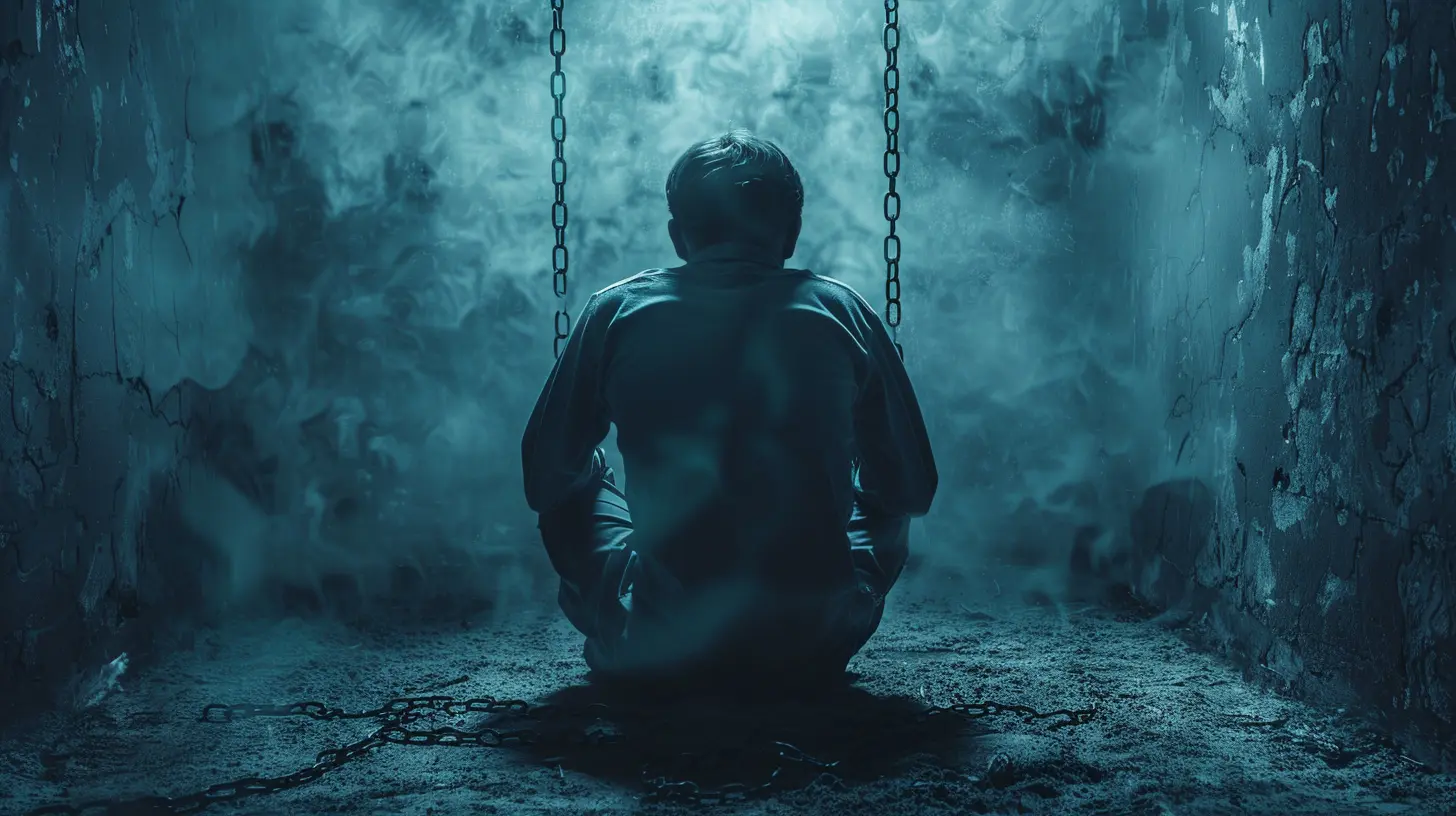
What Is Trauma, Really?
Before we start connecting the dots between trauma and criminal behavior, let’s break down what trauma is. Trauma isn’t just about going through something bad. It’s when that bad experience lingers, festers, and changes the way a person sees the world — and themselves.It could be:
- Physical or emotional abuse
- Neglect
- Witnessing violence
- Sexual assault
- Surviving war, disasters, or accidents
What matters most isn’t what happened — it’s how the person experienced and processed it. That’s where things get personal and complicated. Trauma rewires the brain. Literally.

Trauma’s Sneaky Way of Rewiring the Brain
The human brain is like a sponge when we’re young — soaking up experiences and forming beliefs, behaviors, and coping mechanisms. But trauma? It doesn’t play nice. It soaks into that sponge like ink, hard to squeeze out.When someone experiences trauma, especially at a young age, the body goes into survival mode. Think fight, flight, or freeze. The amygdala (the brain’s fear center) goes into overdrive, while the prefrontal cortex (the decision-maker) takes a backseat. If this stress response keeps firing over and over, the brain wires itself for danger. Constant alertness. Suspicion. Anger. Numbness.
So what does this mean for behavior?
Well, imagine walking through life with your foot hovering over the gas pedal, always bracing for a crash. That’s what it’s like when trauma takes over the brain’s control center. You start reacting, not thinking. That’s a recipe for impulsivity, aggression, poor decision-making — and yes, sometimes criminal behavior.

Childhood Trauma: The Silent Architect of Future Crimes
Here’s where things get even more interesting — and honestly, pretty heartbreaking. Many forensic psychologists argue that most violent offenders weren’t born bad. They were shaped, molded by environments filled with fear, chaos, and neglect.According to studies on Adverse Childhood Experiences (ACEs), there’s a shocking link between early trauma and later criminal activity. The more ACEs someone has — like abuse, neglect, or growing up with a parent who abuses substances — the higher their chances of ending up on the wrong side of the law.
Think about it like this: if a child grows up in a world that teaches them people can’t be trusted, that love equals pain, or that violence is how you get your way, can we really be surprised when they act out those lessons later?
Now, this isn’t an excuse — it’s an explanation. There's a big difference. Understanding doesn’t mean condoning. But acknowledging the root of the behavior? That’s where change begins.

PTSD and Criminal Behavior: A Hidden Trigger
Post-Traumatic Stress Disorder (PTSD) doesn’t just affect soldiers. It also affects people who’ve gone through abuse, accidents, or any deeply distressing event. And here’s the tragic twist: undiagnosed or untreated PTSD can increase the chances of criminal activity.Why? Because PTSD messes with emotion regulation. It can cause flashbacks, mood swings, rage outbursts, and dissociation — a feeling of being disconnected from reality. Imagine trying to live your life with parts of your brain hijacked by fear and chaos.
In forensic settings, PTSD symptoms are often overlooked or misunderstood. A person who commits a crime might not even fully grasp what triggered them. They might blackout during a rage-filled moment, only to come to their senses too late.
Case Studies: Behind the Crime, a History of Pain
Let’s take a look at a few real-life examples to bring this theory into focus.Case 1: The Serial Offender with a Broken Childhood
One high-profile serial offender was found to have suffered extreme abuse at the hands of his parents. Locked in closets, starved, beaten — the kind of stuff you’d expect in a horror movie. His crimes later mirrored the violence he endured. It was like he was acting out a script written during his childhood — one filled with pain, control, and rage.Case 2: The Teen Who Snapped
Another case involved a teenager who fatally attacked a peer. The media painted him as a “monster,” but forensic psychologists revealed years of bullying, neglect, and unreported sexual abuse in his history. The “outburst” wasn’t sudden. It was years of trauma exploding all at once.These aren’t anomalies. They’re patterns. Pain often hides behind the mask of violence.
The Role of Forensic Psychology: Picking Up the Broken Pieces
This is where forensic psychology steps into the story. It’s not just about catching the bad guys. It’s about understanding them. Forensic psychologists are like emotional detectives. They dig into the "why" behind the "what."When evaluating an offender, they look for:
- Signs of past trauma
- Mental health disorders
- Family dynamics
- Behavioral patterns
Their goal? To map out how past pain led to present behavior. This insight can help courts make more informed decisions. Sometimes, it leads to rehabilitation rather than incarceration. Other times, it helps parole boards assess risk with more nuance.
Can We Break the Cycle?
Now that we see how trauma feeds into crime, the million-dollar question is: Can we stop it?Absolutely. But it starts early. Really early.
Prevention: Protecting the Next Generation
If kids have safe homes, supportive adults, and proper mental health care, they’re way less likely to become offenders later in life. Early interventions — like school counselors, trauma-informed teachers, and community support systems — can heal wounds before they scar.Rehabilitation Over Punishment
Not every offender needs to rot in a cell. Some need therapy, structure, and a second chance. Programs that focus on trauma recovery have shown awesome results, lowering recidivism rates and helping people rebuild their lives.Awareness Is Everything
The more society understands the link between trauma and crime, the better our justice system can work. Instead of just asking “What did they do?”, maybe we need to ask “What happened to them?”
Final Thoughts: We All Wear Scars
Let me leave you with this: we all carry scars. Some of us wear them on the outside. Others bury them deep. But unhealed trauma doesn’t just fade away. It shows up — in relationships, in addictions, and, yes, sometimes in criminal behavior.Understanding trauma doesn’t excuse a crime. But it gives us a path forward — one that honors both victims and offenders by seeking truth, healing, and justice.
Next time you hear a story on the news about a crime, pause for a second before jumping to judgment. Behind that headline, there might be a broken story no one ever took the time to read.
all images in this post were generated using AI tools
Category:
Forensic PsychologyAuthor:

Christine Carter
Discussion
rate this article
1 comments
Tessa McGinn
This article sheds light on the crucial link between trauma and criminal behavior. Understanding this connection can lead to better prevention and healing.
June 19, 2026 at 3:14 AM
Christine Carter
Thank you for your insightful comment. I'm glad you found the connection between trauma and criminal behavior important. Understanding this link is key to driving meaningful change.