The Healing Power of Laughter in Mental Health
26 September 2026
Laughter — it’s something we all recognize, an instinctive reaction that bubbles up when we’re tickled, surprised, or even just feeling joyful. But here's the kicker: laughter isn’t just fun — it’s actually fantastic for your mental health. Yes, seriously! In a world where stress, anxiety, and depression seem to be lurking around every corner, could laughter be the medicine we've all been waiting for? Spoiler alert: it just might be.
Let’s dive into the giggly goodness and unravel how the simple act of laughing can work magic on our minds.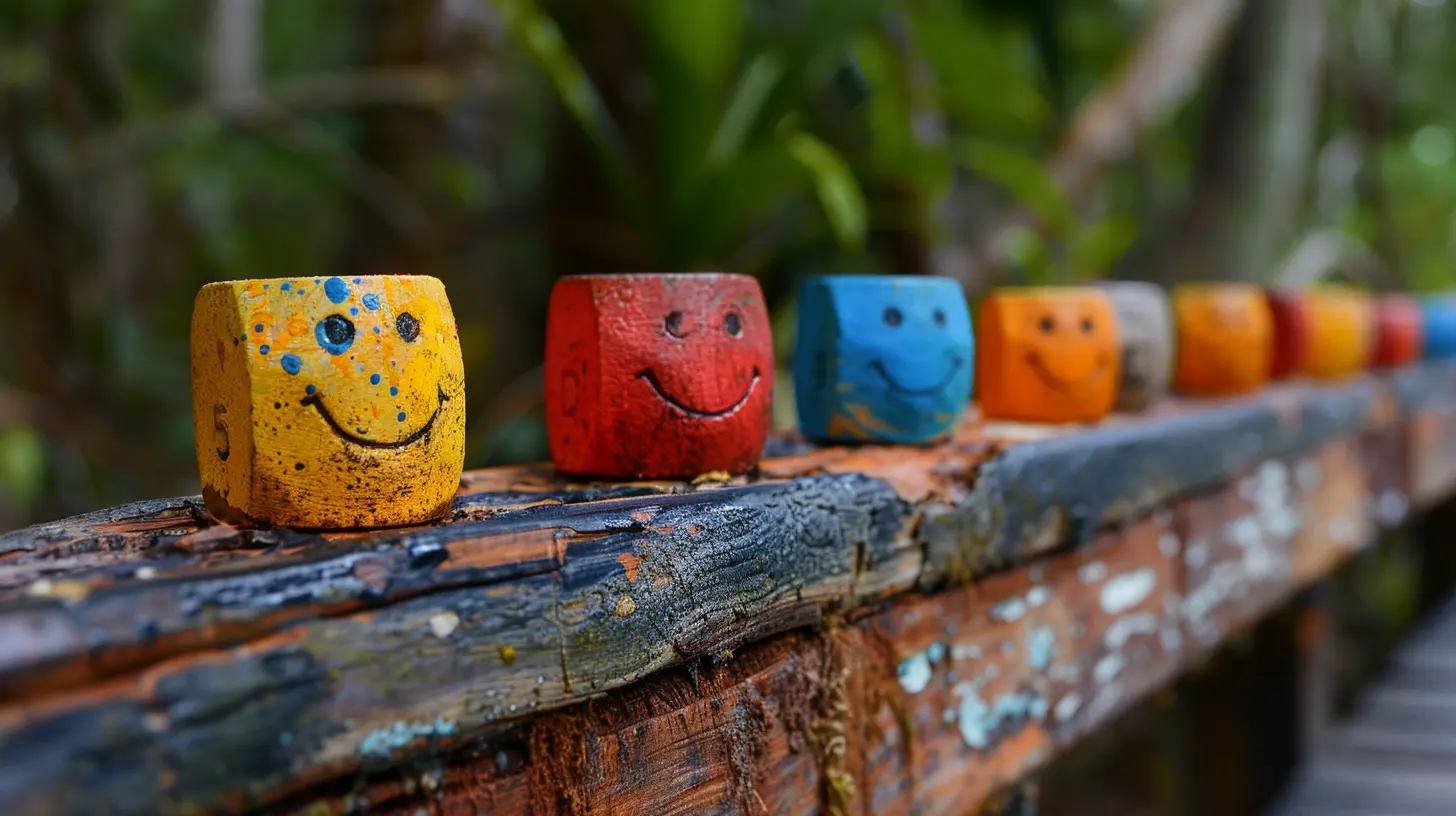
What Happens In Your Brain When You Laugh?
Ever wondered what’s cooking upstairs when you burst into laughter? Well, a lot more than you might think.When you laugh, your brain releases a cocktail of feel-good chemicals — think dopamine, endorphins, and serotonin — the holy trinity of happiness. These neurochemicals help elevate your mood, reduce pain, and even improve your immune system. It’s like getting a dose of nature’s own anti-depressant, without any side effects.
Your brain also quiets down the stress hormone cortisol when you're laughing. That means less anxiety, less agitation, and more mental clarity. It’s like hitting the internal “refresh” button.
Laughter as a Natural Stress-Buster
Let’s be honest. Life can be stressful. Between work deadlines, endless to-do lists, and the curveballs that come out of nowhere, it’s easy to feel overwhelmed.Here’s where laughter steps in as a superhero in disguise.
A good laugh lowers stress levels by relaxing your muscles and improving blood flow — kind of like a mini yoga session, minus the awkward poses. It promotes a sense of calm and resets your emotional balance. And guess what? Even anticipating laughter can lower stress. That means planning a comedy night or chatting with your funniest friend isn’t just fun — it’s therapeutic.
Laughing Through the Blues: Depression and Anxiety
If you've ever felt stuck in a mental fog, you know how hard it can be to snap out of it. Depression and anxiety can rob you of joy and weigh you down. But laughter? It's like a ray of sunshine poking through those gloomy clouds.Laughter stimulates the release of serotonin, the same chemical targeted by many antidepressants. It also distracts your brain from negative thought patterns. When you laugh, you momentarily step outside your sadness or worry, even if just for a minute. And sometimes, that brief break is all you need to start feeling just a bit more hopeful.
Moreover, laughing in social settings — like watching a comedy movie with friends or sharing jokes — helps foster connection. And connection is key in fighting loneliness, another major contributor to depression and anxiety.
The Social Connection: Laughing Together Bonds Us
Let’s face it — laughing alone can be weird (though we’ve all done it scrolling through memes). But laughing with someone? That’s where the magic happens.Shared laughter is one of the fastest ways to create trust and closeness with others. Ever feel instantly connected to someone just because you both found something hilarious? That’s not an accident. Laughter acts like social superglue. It builds bridges, eases tension, and creates a shared sense of joy and understanding.
These connections are incredibly important for mental health. Strong social bonds can buffer us against stress and increase our sense of belonging. So the next time you’re laughing with someone, remember — you’re also mapping out a stronger mental health safety net.
Laughter Yoga: Yep, It’s a Real Thing
Laughter yoga. It might sound like a joke in itself (pun intended), but it’s actually a legitimate therapy!Created by Dr. Madan Kataria in the 90s, laughter yoga combines voluntary laughter exercises with deep breathing techniques. The idea is that our body doesn’t distinguish between fake and real laughter — the benefits kick in either way. So even if you start by faking it, you’ll likely end up genuinely laughing (because let’s be real — pretending to laugh in a group is kind of hilarious).
Participants often report feeling more relaxed, energized, and lighter after sessions. If you’ve never tried it, it’s definitely worth a shot. At worst, you’ll look silly. At best? You’ll feel amazing.
Can Laughter Really Be "Therapy"?
Ever heard of “humor therapy” or “laughter therapy”? It’s a growing field centered on using humor professionally to treat emotional and psychological distress.This doesn’t mean just telling jokes. It can involve watching comedy, participating in laughter exercises, and discussing funny experiences. The goal? To use humor as a tool to reframe negative thoughts, cope with adversity, and improve mental flexibility.
Therapists use laughter to help clients gain a new perspective on their problems. It can be especially effective in grief counseling, trauma recovery, and chronic illness support. Think of it as finding light in the darkest moments — not by ignoring the pain, but by choosing to embrace joy alongside it.
Laughing as a Mindfulness Practice
Let’s talk mindfulness for a second. While most of us think of mindfulness as sitting in silence and focusing on our breath (which can be, let’s admit, a little dull), laughter is actually one of the most in-the-moment experiences out there.When you laugh, you're not worrying about the past or fretting about the future. You're 100% present. You're simply being — fully, genuinely, and joyfully.
So, yes — laughter is a form of mindfulness. And just like traditional mindfulness, it can help reduce rumination, improve focus, and increase emotional regulation. But it’s way more fun, don’t you think?
Tips to Bring More Laughter Into Your Life
Ready to laugh more but not sure where to start? Here are some easy, joyful ideas:?♀️ Surround Yourself with Funny People
Laughter is contagious. Make time for people who crack you up — they’re doing double duty as friends and therapists.? Watch Comedy Shows or Stand-up Specials
Good entertainment isn’t just entertaining; it’s healing. Queue up your favorite sitcom or browse Netflix’s stand-up section.? Follow Humor Accounts on Social Media
Your feed doesn’t have to be all news and politics. Sprinkle in some joy with meme pages, parody accounts, or funny reels.? Don’t Be Afraid to Laugh at Yourself
Instead of getting embarrassed, find humor in your own quirks and slip-ups. It’s freeing when you stop taking yourself so seriously.? Try Laughter Yoga or Laughter Meditation
Even if it feels awkward at first, give it a go. It might just open the door to a lighter, brighter you.? Hang Out with Kids or Pets
Both are natural comedians. Their antics can snap you out of a funk and make you giggle like a child again.But What About When You're Not In the Mood?
Great question. Sometimes, laughing feels impossible. And that’s okay.Laughter doesn’t mean ignoring your pain or pretending everything’s fine. It’s about finding moments of joy in the middle of the mess. You don’t have to force it. Start small — maybe a smile, a chuckle, or finding something mildly amusing. Over time, these moments stack up.
Try this mantra: "I give myself permission to feel happy, even when things are hard." Sometimes, just allowing a sliver of happiness in can break through a wall of sadness.
Final Thoughts: A Laugh a Day Keeps the Blues Away?
While laughter isn’t a cure-all, it is a powerful, natural supplement for mental well-being. It’s free, accessible, and has absolutely zero side effects. Whether you use it as a tool for stress relief, a bridge for stronger relationships, or a way to cope with tough times — it’s worth embracing.So, go ahead — watch that silly cat video, laugh at your own jokes, or call the friend who always knows how to make you wheeze with laughter. Because when it comes to mental health, joy isn't just a luxury — it's a necessity.
And remember: every giggle, snort, and belly laugh is a gentle step toward healing.
all images in this post were generated using AI tools
Category:
Psychological Well BeingAuthor:

Christine Carter