The Forensic Psychologist’s Role in Death Penalty Cases
20 July 2026
Ever wonder what really happens behind the scenes in death penalty cases? It’s not just about lawyers, judges, and evidence. There’s another player in the courtroom drama—one who doesn’t always make the headlines but can sway the course of life or death. I’m talking about the forensic psychologist.
Let’s peel back the curtain on this shadowy yet deeply influential role and see how psychology intersects with justice in one of the most controversial areas of criminal law.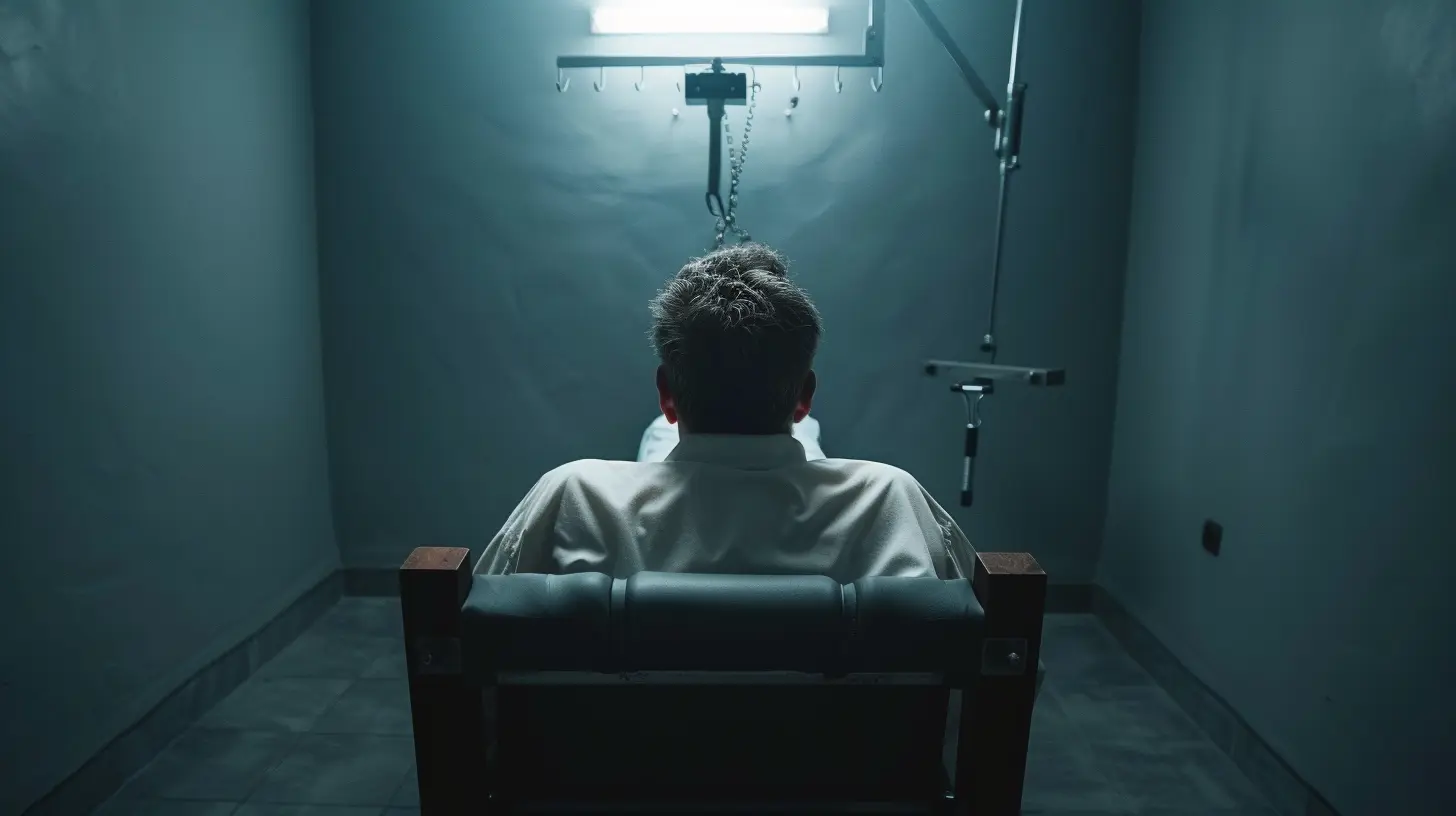
What Exactly Does a Forensic Psychologist Do?
Imagine being the mind reader in the courtroom—not literally, of course, but close. A forensic psychologist dives into the psyche of defendants, assesses their mental state, and provides expert opinions that can influence the biggest decision a court can make: whether someone lives or dies.But it’s not all black-and-white. Their world exists in gray areas—psychological evaluations, behavioral patterns, mental disorders, and sometimes deeply disturbing truths. They become the bridge between psychology and the law.
Let’s break it down a bit.
Understanding the Death Penalty Landscape
Before we zoom in on the forensic psychologist’s role, it's important to understand the big picture. The death penalty isn’t just a punishment—it’s a legal, moral, and psychological minefield. Each case that reaches death row is layered with emotion, ethics, and uncertainty.Here’s where it gets wild: The decision to impose the death penalty often hinges on minute details. A defendant’s mental health history, their state of mind during the crime, or even their capacity to understand court proceedings can affect sentencing.
And who’s called in to untangle all that chaos? Yep, the forensic psychologist.
The Pre-Trial Phase: Psychological Evaluations
Let’s say someone is accused of a capital crime—something so severe that the death penalty is on the table. The court needs to know if that person is mentally fit to stand trial.Enter the forensic psychologist.
They evaluate the defendant to determine if they:
- Understand the charges against them
- Can assist in their own defense
- Have any mental illness or developmental disorders
This isn’t just a casual chat on a couch. These are in-depth assessments involving interviews, psychological tests, and a thorough review of medical and criminal histories.
If the psychologist finds that the defendant isn’t mentally competent, they can’t legally go on trial. That alone can derail a death penalty case before it even begins.
The Guilt Phase: Was the Defendant Insane?
Let’s talk legal insanity—a term that’s more complex than it sounds. During the guilt phase of a trial, a forensic psychologist might be asked to determine if the defendant was legally insane at the time of the crime.Now, here’s the twist: Being mentally ill doesn’t automatically mean someone is legally insane.
The psychologist has to dig deep into the timeline. What was the person thinking during the crime? Could they distinguish right from wrong? Were they in control of their actions? It's like reconstructing a psychological crime scene—and it’s anything but simple.
Their expert testimony could mean the difference between a death sentence and a verdict of not guilty by reason of insanity.
The Sentencing Phase: Life or Death?
Assuming the defendant is found guilty, the next phase is sentencing. This is where things get even more intense.The jury has to decide: life imprisonment or death?
You can bet the forensic psychologist is back in the spotlight. Their job now is to provide a psychological profile of the defendant. Are they a continued threat to society? Do they have a history of trauma or abuse that might mitigate their actions?
This is where mitigation comes in.
What Is Mitigation, and Why Does It Matter?
Mitigation is like telling the jury, “Wait—there’s more to the story.”Forensic psychologists present factors that might make the defendant less morally culpable. Maybe they were abused as a child, have a low IQ, suffer from PTSD, or have untreated schizophrenia. These aren’t excuses—they’re context.
And context in a courtroom can be everything.
A compelling psychological argument can convince a jury to opt for life imprisonment instead of execution. Think of it like shining a flashlight into someone’s darkest corners—to understand, not excuse.
The Ethics: Walking a Tightrope
Here’s where things get tricky.Forensic psychologists walk an ethical tightrope in death penalty cases. They're bound by professional guidelines, but they also know their words can literally mean life or death for someone.
Do they stay neutral? Advocate for the client? Speak only the clinical truth?
It’s a constant balancing act between science, law, and humanity. And trust me, it’s not for the faint of heart.
The Double-Edged Sword of Objectivity
Forensic psychologists aren’t hired to “help” the defendant—or the prosecution. They’re supposed to be objective. But let’s be real: human beings have biases. The side that hires them (defense or prosecution) naturally expects their evaluation to support their perspective.And sometimes, psychs are put under immense pressure. Imagine giving a neutral opinion when you know someone’s fate hangs in the balance. It’s like being a referee in a gladiator match, but you know both fighters personally.
Objectivity is crucial—but it’s also complicated.
The Hidden World of Risk Assessments
One of the most chilling parts of a death penalty trial is figuring out if the defendant is likely to commit violence in the future. That’s where “risk assessments” come in.A forensic psychologist might use tools and tests to predict future dangerousness. But here’s the kicker: no test is foolproof. It’s a mix of science, data, and gut.
Yet, these assessments can heavily influence sentencing decisions. That’s a lot of trust to place on predictions about human behavior—which, as you can guess, is anything but predictable.
Post-Conviction: Appeals and Clemency
Think it’s over after sentencing? Not quite.Forensic psychologists are sometimes called in years later during appeals, especially if new mental health evidence comes up—or if the defendant claims they’ve become mentally incompetent while incarcerated.
They might also be asked to evaluate someone seeking clemency—a last-ditch appeal to the governor to spare their life. In these moments, the psychologist’s role can be hauntingly personal.
They’re not just evaluating a case. They’re peering into a soul hanging on the edge of death.
High-Profile Cases and Public Perception
Let’s not ignore the elephant in the room: public outrage.In high-profile cases, forensic psychologists often find themselves under a microscope. People want someone to blame, someone to hate, or someone to save. The psychologist’s testimony can trigger headlines, debates, and even threats.
But their job remains the same—stick to the science, tell the truth, and hope the system listens.
The Emotional Toll of the Work
You may be wondering—how do they sleep at night?Working on death penalty cases takes a massive emotional toll. Some forensic psychologists burn out. Others find themselves second-guessing their assessments years later.
It’s not just a job. It’s a psychological battlefield. Every report, every word spoken in court, could echo through someone’s last days.
Real Talk: Does It Actually Make a Difference?
Let’s be honest—can one psychologist really tip the scales in a death penalty case?Absolutely.
A well-prepared forensic report or a powerful testimony can shift juror opinions. Behavioral science is compelling. When someone explains a defendant’s actions through the lens of trauma, illness, or mental disorder, everything changes.
We can’t judge what we don’t understand. And forensic psychologists help us understand, one case at a time.
Conclusion: The Silent Architects of Justice
So, next time you hear about a death penalty case, remember—it’s not just legal arguments and crime scene photos. There’s a forensic psychologist somewhere, poring over records, piecing together mental puzzles, and asking questions most of us would rather avoid.They are the silent architects of justice. In the shadows, they work not to save lives—but to shine a light on the truth.
Whether you support the death penalty or oppose it, one thing’s certain: without forensic psychologists, justice would be flying blind.
all images in this post were generated using AI tools
Category:
Forensic PsychologyAuthor:

Christine Carter
Discussion
rate this article
1 comments
Thaddeus Bellamy
This article highlights the complex responsibilities of forensic psychologists in death penalty cases. Their insights are crucial for the legal system, but ethical considerations and the potential impact on lives must always remain at the forefront of their work.
July 20, 2026 at 4:12 AM
Christine Carter
Thank you for your insightful comment. Balancing ethical concerns with the demands of the legal system is indeed a critical aspect of our work in these cases.