The Evolution of Psychopathology: How Historical Views Shaped Modern Understanding
4 June 2026
Let’s be brutally honest here — the way we’ve looked at mental illness over the centuries has been, well, a bit of a rollercoaster. From demons and bleeding to dopamine and brain scans, the path to understanding mental disorders has been anything but straightforward. So buckle up, because we’re diving into the evolution of psychopathology, and trust me, it’s a wild ride that still impacts how we think and treat mental health today.
Wait—What Even Is Psychopathology, Anyway?
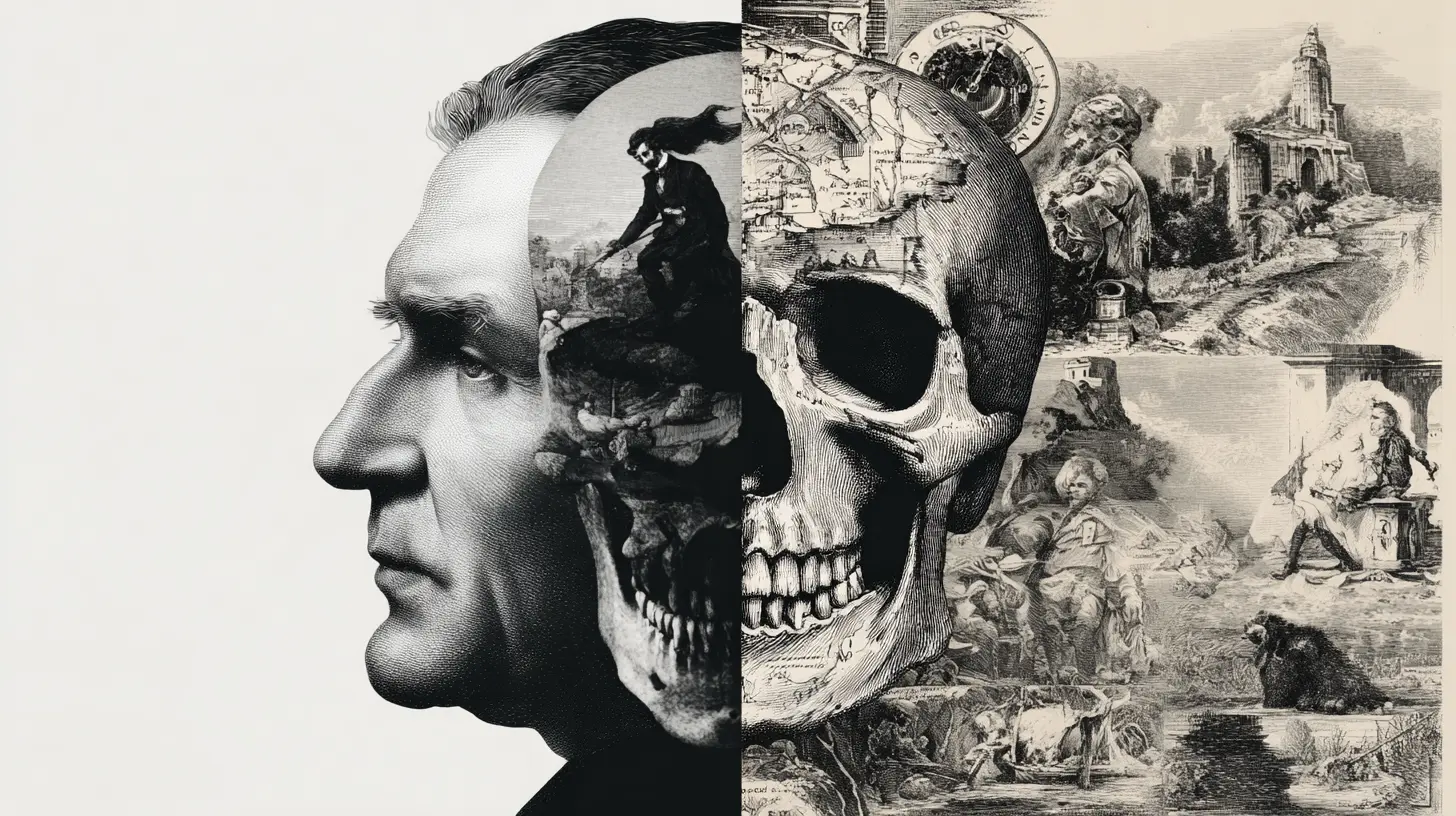
Before we jump into the historical deep end, let’s clear up what we mean by psychopathology.Psychopathology is basically the study of mental disorders — how they develop, what they look like, and how they affect people. It’s not just about labeling symptoms; it’s about understanding the why and how of psychological suffering. Think of it as the detective work behind mental health science.
Now that we’ve got that outta the way, let’s time-travel through human history and unpack how our past perceptions are still influencing the modern mental health landscape.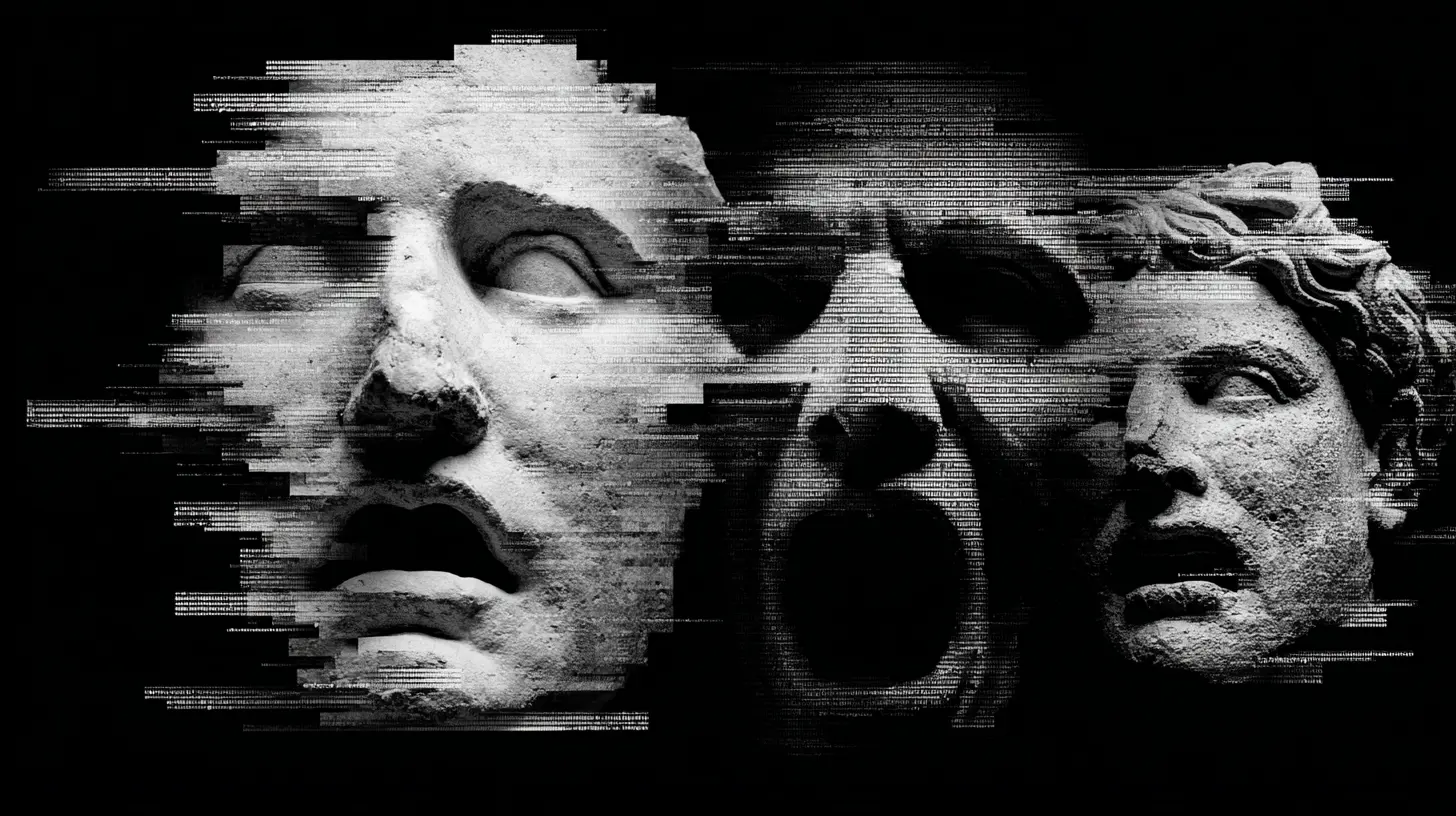
Ancient Times: When Demons Did All the Dirty Work
If you had a mental illness in ancient Mesopotamia or Egypt, people probably thought you were possessed. That’s right — back then, bizarre behavior was chalked up to evil spirits hijacking your body and brain.Trephination: The OG Brain Surgery
People actually drilled holes into skulls — yep, real human skulls — to let those "spirits" escape. It’s called trephination, and evidence of this goes back to 7,000 years ago. Just imagine dealing with anxiety and ending up with a hole in your head. Ouch.Spiritual Interpretations Dominated
Basically, if you weren’t behaving “normally,” it wasn’t seen as a medical issue. It was spiritual, moral, or even criminal. Not exactly the most empathetic approach, huh?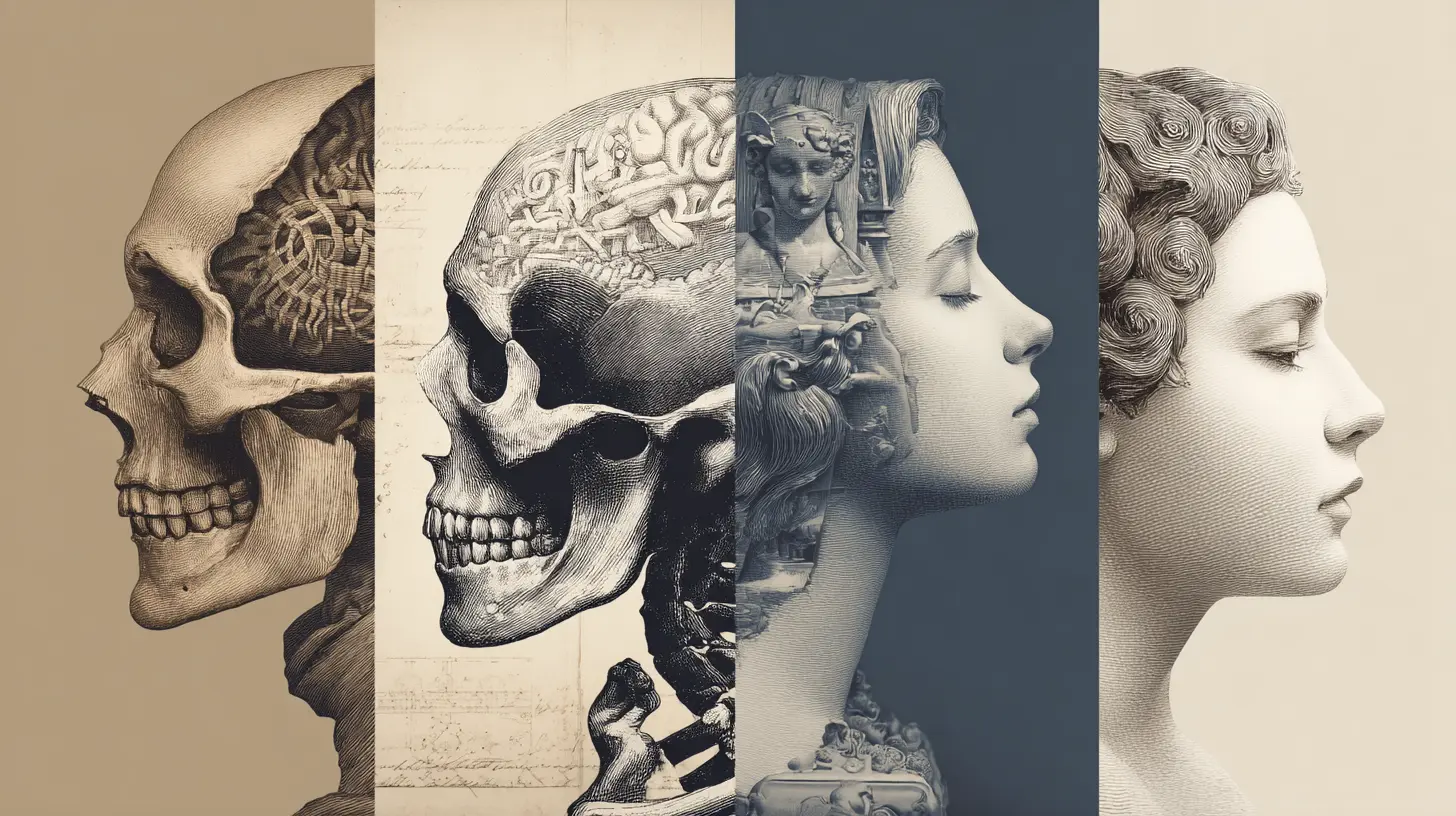
Greek and Roman Influence: Logic Enters the Chat
Fast-forward to ancient Greece and Rome, and things got a smidge more scientific — thanks to guys like Hippocrates.Hippocrates’ Four Humors Theory
This dude proposed that mental illness came from imbalances in bodily fluids — blood, phlegm, black bile, and yellow bile. Sound silly? Well, it was a huge step forward. At least we were moving away from “you’re cursed” to “maybe it’s something in your body.”This theory stuck around for a long time. Like, centuries. Physicians tried to "balance" these humors through diet, bloodletting, or even leeches. Yeah... not ideal, but again, progress.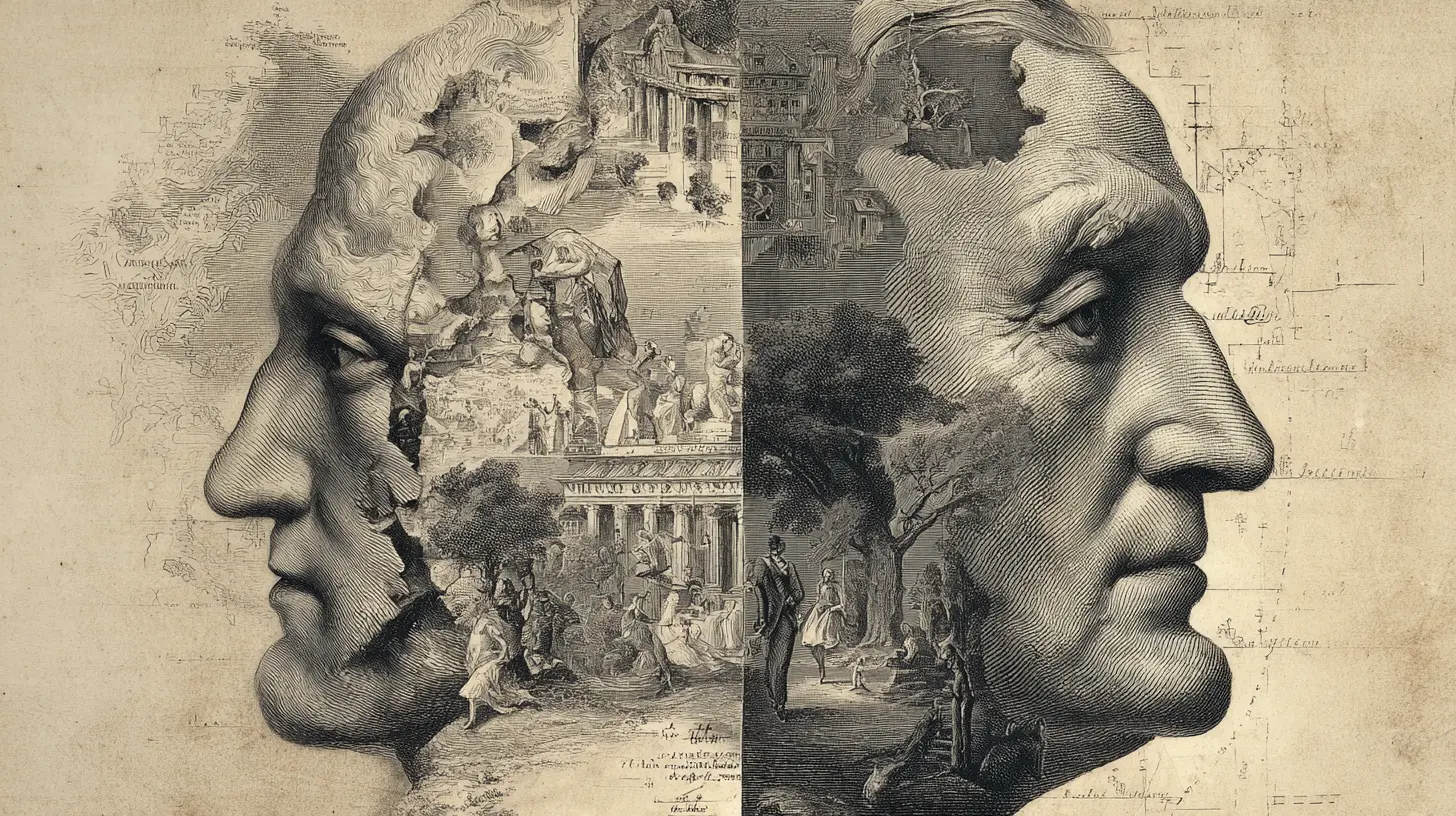
Middle Ages: Back to the Dark Side
Just as things were starting to get a bit more rational, the Middle Ages decided to throw all that out the window.Witch Hunts and Exorcisms
Mental illness? Nah. Clearly, you're a witch. Or you’ve been hexed. During this time, religious institutions controlled much of the public narrative, and mental disorders were linked to sin, evil, and possession. Ever heard of the Malleus Maleficarum? That was basically a handbook on how to identify and punish witches. Disturbing, right?Asylums: The Beginning of Institutionalization
By the late Middle Ages, asylums began popping up in Europe. But before you start thinking of therapy couches and progress charts — think again. These places were overcrowded, unsanitary, and more like prisons than hospitals. Compassion? Not exactly in style back then.The Renaissance and Enlightenment: Cracks of Light Peek Through
Eventually, people started asking more questions. The Renaissance brought back interest in science and human anatomy, and slowly, very slowly, mental illness started to be seen through a more medical lens.Descartes and the Mind-Body Problem
René Descartes stirred the pot by proposing that the mind and body are two separate things. This idea got people thinking: Could mental illness be a dysfunction of the mind, separate from the body?Still, it's not like people were suddenly kind-hearted mental health advocates. But the wheels of change were definitely turning.
19th Century: Enter the Age of Psychiatry
Now we’re getting to the juicy stuff — the birth of modern psychology and psychiatry.Moral Treatment Movement
Finally, someone had the radical idea that people with mental illness should be treated humanely. Revolutionary, right?People like Philippe Pinel in France and Dorothea Dix in the U.S. began advocating for better conditions in asylums. Pinel literally removed chains from patients in Paris, saying, "Maybe we shouldn’t treat these people like animals." About time.
Freud’s Theories Jack Up the Game
Next up, Sigmund Freud. Love him or hate him, the guy changed the conversation. He brought attention to the unconscious mind, childhood trauma, and psychotherapy.His theories about the id, ego, and superego might sound a bit dramatic, but they laid the groundwork for modern therapy. Plus, he made talking about mental health a little less taboo.
20th Century: Science Meets Psychiatry
This century was jam-packed with major leaps — both good and... questionable.Biological Explanations Take the Lead
Scientists discovered that mental illnesses like schizophrenia and bipolar disorder had biological roots. Neurotransmitters like dopamine and serotonin became the new focus. This was HUGE. For the first time, mental disorders were linked to brain chemistry.The Rise (and Fall) of Electroshock and Lobotomies
Not everything was a step forward, though. Electroconvulsive therapy and lobotomies became disturbingly common. Let’s just say the 1940s weren’t exactly a golden age for patient consent.Psychiatric Meds Change the Game
Antipsychotics, antidepressants, mood stabilizers — these medications revolutionized treatment. Drugs like Thorazine and Prozac gave people a chance to function where nothing else had worked. Mental hospitals started to empty out, and outpatient treatment became more doable.DSM: The Diagnosis Bible is Born
You can’t talk about modern psychopathology without mentioning the DSM — the Diagnostic and Statistical Manual of Mental Disorders.First published in 1952, the DSM gave clinicians a common language and criteria for diagnosing mental illness. It’s been revised several times, reflecting new research and cultural changes. Still, it’s controversial. Is it too focused on labeling? Too black-and-white? That debate is far from over.
Modern Day: Neurodiversity, Trauma-Informed Care & Beyond
Today, we’ve got MRI machines showing us how mental illness affects brain function. We understand the impact of trauma, environment, and genetics. But perhaps the biggest shift? We’re finally realizing that mental illness isn’t just a checklist of symptoms — it’s deeply human.Neurodiversity: A New Way of Seeing Minds
Instead of seeing differences like ADHD, autism, and even some mood disorders as “problems,” the neurodiversity movement encourages us to see them as variations in how minds work. It’s not about fixing; it’s about understanding.Trauma-Informed Everything
Thanks to groundbreaking work in neuroscience and psychology, we now know trauma plays a massive role in mental health. Schools, hospitals, even police departments are starting to adopt trauma-informed approaches. Finally.How Yesterday’s Madness Shaped Today’s Mental Health
So why does this history lesson matter? Because every step — even the ugly ones — has brought us closer to more compassionate, evidence-based care.We’ve Evolved, But We’re Not Done
We traded demons for dopamine, witch trials for wellness centers. But mental illness still carries stigma. Access to care is still uneven. Misdiagnosis still happens. So yeah, we’ve come a long way — but there’s still more work to do.Final Thoughts: History Isn’t Just in the Past — It’s in the Practice
The way we understand and treat mental illness today is layered with centuries of beliefs, fears, and breakthroughs. If we don’t know where we’ve been, how can we know where we’re going?Every therapist, psychiatrist, and psych student stands on the shoulders of centuries of trial, error, and slow-as-hell progress. It's not perfect, but it's evolving — just like us.
Let’s keep pushing forward. With empathy. With science. And yeah, with a little less judgment.
all images in this post were generated using AI tools
Category:
PsychopathologyAuthor:

Christine Carter
Discussion
rate this article
1 comments
Kismet McQuillan
So, if I understand correctly, our ancestors were basically saying "You're acting weird" while waving a stick and wearing a fur coat. Thank goodness we've ditched the sticks, but I guess they were onto something with understanding the mind... just took us a few centuries.
June 18, 2026 at 3:07 PM
Christine Carter
You've captured a funny yet insightful perspective. Our ancestors did lay the groundwork for understanding human behavior, even if their methods were a bit... primal.