The Dark Triad: Narcissism, Machiavellianism, and Psychopathy in Criminal Offenders
8 September 2026
Have you ever looked at a criminal and wondered, “What the heck was going on in their head?” Well, you're not the only one. When it comes to understanding why people commit crimes—especially the chilling, manipulative, and calculated ones—psychologists often find themselves circling three dark personality traits. These three baddies go by the name of The Dark Triad: Narcissism, Machiavellianism, and Psychopathy.
Now, we’re not saying everyone with these traits is a criminal, but when these traits show up in extreme forms, especially together, they can create a perfect psychological storm. And when that storm hits, it can lead to some seriously destructive behavior.
So, buckle up as we take a deep dive into The Dark Triad—how it shows up in criminal offenders, how the traits overlap and influence each other, and why understanding them is crucial for both psychologists and the criminal justice system.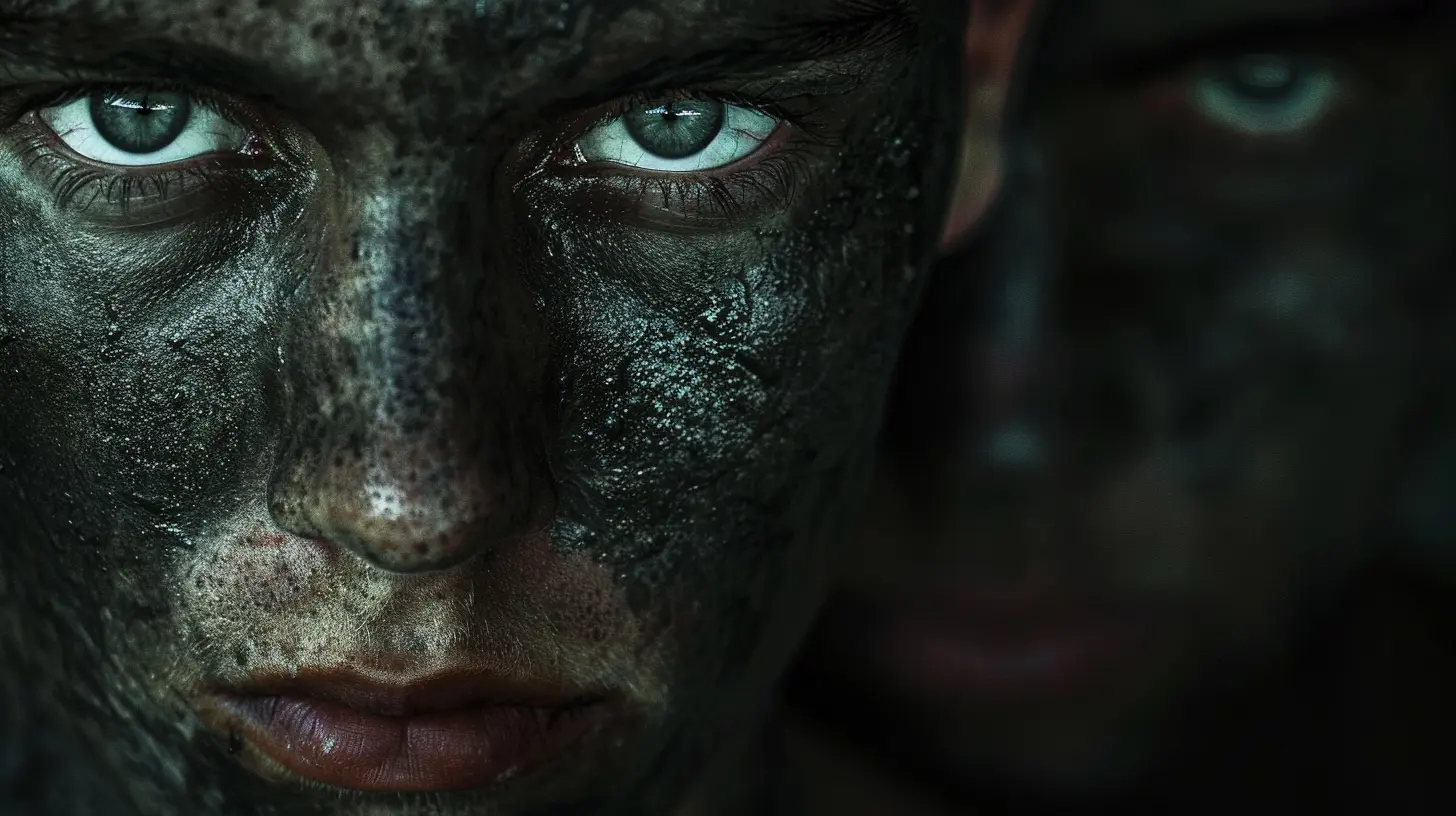
What Is The Dark Triad?
The term "Dark Triad" might sound like something you'd hear in a Marvel movie, but it's very real and very psychological. Coined in the early 2000s by researchers Paulhus and Williams, the Dark Triad refers to three specific personality traits that are socially aversive—meaning people with these traits tend to behave in ways that are harmful, manipulative, and, frankly, difficult to be around.Here’s a quick snapshot:
- Narcissism: Excessive self-love and inflated self-importance.
- Machiavellianism: Manipulative behavior focused on personal gain.
- Psychopathy: Lack of empathy, remorse, and impulse control.
Each one is shady on its own, but when they combine? That’s when things get really dark.
Narcissism: The Ego That Consumes
Let’s start with narcissism. It’s not just someone who takes too many selfies or won’t stop talking about themselves at parties.In its clinical form, narcissism is a deeply rooted personality trait that involves:
- Grandiosity
- Need for admiration
- Lack of empathy for others
Now, imagine someone so driven by their need to be admired or superior that they'll lie, cheat, or hurt others to get ahead. That's when narcissism crosses into dangerous territory.
Narcissism in Criminal Offenders
When narcissists end up on the wrong side of the law, a few patterns tend to show up:- They commit crimes to boost their ego or defend it.
- They might engage in white-collar crimes like fraud because they believe they’re too clever to get caught.
- They often lack remorse—because in their mind, they’ve done nothing wrong. How could they? They’re “perfect,” right?
Narcissistic offenders often rationalize their crimes. To them, they’re not criminals—they're victims of misunderstanding or betrayal.
Machiavellianism: The Master Manipulator
Next up is Machiavellianism, the most cunning member of the triad. Named after Niccolò Machiavelli, author of “The Prince”—a book basically about how to be cold, calculating, and maintain power—this trait is all about manipulation and control.People high in Machiavellianism are:
- Strategic and calculated
- Emotionally detached
- Willing to exploit others to reach their goals
They don’t act out of passion. They plan. Think of a chess master who doesn’t care if they ruin you emotionally—as long as they win the game.
Machiavellianism in Criminal Offenders
This trait is particularly common in white-collar crime. We’re talking fraud, embezzlement, political corruption—the kind of crime where manipulation is a tool, not a byproduct.Criminals with high Machiavellianism:
- Often appear charming and competent
- Are pros at manipulation—gaslighting, guilt-tripping, deceiving
- Use people as pawns to get what they want
These offenders are the puppet masters behind the scenes—quiet, scheming, and extremely dangerous because they often don’t show their true selves easily.
Psychopathy: The Cold-Blooded One
Now we get to possibly the most chilling member of the triad—psychopathy. You’ve probably heard this term tossed around in true crime docs, and for good reason.People with high psychopathy scores typically show:
- Lack of empathy and guilt
- Impulsivity
- Antisocial behavior
- Shallow emotions
Unlike narcissists who are driven by ego or Machiavellians who manipulate for calculated gains, psychopaths act without much emotional engagement. They just don’t care. And that’s terrifying.
Psychopathy in Criminal Offenders
This trait is the one most strongly linked to violent crime. Think assaults, homicides, and other brutal offenses that show no regard for human life. Why? Because psychopaths often:- Feel no guilt or remorse
- Have no emotional ties
- Cannot understand or mirror others’ pain
They may be charming on the outside (think Ted Bundy), but underneath? There's an emotional void. That’s what makes them so dangerous—they know how to mimic emotions, but they don’t actually feel them.
How the Triad Interacts
Here’s where things get even more interesting. While each trait can exist on its own, in many offenders, you’ll find a mix of all three. And when that happens, the results are often catastrophic.Overlapping Traits
- Lack of empathy is common across the board.- Manipulation is a shared tool for both narcissists and Machiavellians.
- Impulsivity and aggression show up in both narcissists and psychopaths.
- Superficial charm and ego boost? Narcissists and psychopaths have that in common.
In essence, these traits feed off each other. A Machiavellian may plan the crime, the narcissist may justify it to protect their ego, and the psychopath? Well, they’ll execute it without flinching.
Why Does the Dark Triad Matter in Criminology?
If you're wondering why psychologists and law enforcement care so much about these traits, here’s the deal—they help explain criminal behavior not through actions, but through personality.Understanding the Dark Triad helps in:
- Risk assessment: Who is more likely to reoffend?
- Profiling: What kind of crimes are they drawn to?
- Treatment or management: Can the person be rehabilitated?
- Legal strategy: Were they aware of their actions? Did they feel remorse?
These traits don't just help us understand why people commit crimes—they help us predict and prevent future ones.
Are These Traits Always "Criminal"?
Not always. That’s where it gets a bit tricky. A lot of CEOs, politicians, and even celebrities score high in certain Dark Triad traits—especially narcissism and Machiavellianism.In small doses, these traits can actually help people succeed. Think about it:
- A bit of narcissism = confidence.
- A touch of Machiavellianism = strategic thinking.
- A dash of psychopathy = staying calm under pressure.
But when these traits become extreme, egotistical, manipulative, or emotionless—to the point of harming others? That’s when we cross over into criminal behavior.
The Role of Environment and Biology
It wouldn’t be fair to talk about The Dark Triad without mentioning nature vs. nurture. Are people born with these traits, or does life shape them?Well, it’s a mix of both.
Biological Factors
- Some studies suggest a genetic predisposition to traits like psychopathy.- Brain imaging has shown reduced activity in the amygdala (area related to empathy and fear) in people with these traits.
Environmental Factors
- Childhood trauma, neglect, or abuse can trigger the development of dark traits.- Poor role models, especially during developmental years, can reinforce manipulative behaviors as “normal.”
- Societal values that glorify success, power, and superficial charm (looking at you, social media) may fan the flames.
So, while some people might have a natural lean toward Dark Triad traits, life experiences often shape how those traits develop and express.
Can People With Dark Triad Traits Be Helped?
Here’s the million-dollar question: can they change?That depends on the severity. People with mild traits can often improve with therapy, especially if they’re aware of the problem and willing to work on it. But when we’re talking about hard-core offenders—especially psychopaths—change becomes extremely difficult.
Why?
- They often lack insight into their own behavior.
- They see nothing wrong with how they think or act.
- They’re not emotionally engaged in the therapeutic process.
But all hope isn’t lost. Early intervention, especially during adolescence, can help reduce the impact of these traits. And even in adults, structured programs within the criminal justice system can sometimes help manage behaviors.
A Final Thought
The Dark Triad isn’t just about understanding "bad people." It’s about peeling back the psychological layers of what makes certain individuals so dangerous—not in a Hollywood-villain kind of way, but in the very real, very human sense of how personality and behavior collide.Sure, the Dark Triad sounds terrifying—and it can be—but it also offers us a valuable lens through which we can better understand, treat, and hopefully prevent the kinds of crimes that shake societies to their core.
Because at the end of the day, knowledge is power. And understanding what drives behavior—especially the worst kinds—might just be the key to stopping it.
all images in this post were generated using AI tools
Category:
Forensic PsychologyAuthor:

Christine Carter
Discussion
rate this article
2 comments
Natalie Erickson
So, if you ever doubt your friends' motives, just remember: they might not just be self-absorbed or cunning. They could also have a touch of psychopathy. Just another day in the neighborhood, right?
October 12, 2026 at 2:23 PM
Reece Larsen
This article provides a crucial insight into the interplay of narcissism, Machiavellianism, and psychopathy among criminal offenders. Understanding these traits can aid in developing effective intervention strategies and enhancing public safety.
September 30, 2026 at 3:37 AM