The Connection Between Substance Use and Mental Health Disorders
14 July 2026
Let’s be honest — life throws curveballs, and sometimes we reach for anything we think can help us cope. For many, that "something" ends up being alcohol, prescription medications, or other substances. But what if I told you that substance use and mental health issues are often tangled together like earbuds in your pocket? Pretty frustrating and hard to separate, right?
In this article, we’re diving deep into how substance use and mental health disorders are connected — not just on the surface, but at a core psychological and physiological level. Whether you're someone who’s been affected directly, knows someone struggling, or you’re just curious (hey, knowledge is power!), this read will open your eyes to a reality that affects millions.
What Do We Mean by Mental Health Disorders?
Mental health disorders are more than just feeling sad or anxious temporarily. We're talking about mood disorders like depression and bipolar disorder, anxiety disorders, PTSD, schizophrenia, and personality disorders, just to name a few. These conditions affect how a person thinks, feels, and behaves. Sometimes they’re manageable, other times they can be completely debilitating.Now, it might seem like these problems and substance use issues are separate beasts. But in reality, they’re often two sides of the same coin.
Substance Use: It's Not Just Partying Gone Too Far
When people hear "substance use," they often picture partying, recreational drug use, or heavy drinking. But it goes much deeper than that. Substance use includes alcohol, prescription meds (yep, even the ones written by your doc), and illegal drugs.It becomes a problem when the individual starts relying on these substances to get through the day or to numb feelings they don’t want to deal with. And here's the thing — when someone's mental health is already hanging by a thread, turning to substances can feel like a lifeline… until it becomes a noose.
So, What’s the Real Connection?
Alright, here's where it gets a bit twisty: mental health disorders and substance use often feed into each other. Like a toxic relationship, one makes the other worse.1. Self-Medication — A Risky Coping Strategy
Ever had a rough day and thought, “I need a drink”? That’s self-medication in its simplest form. Now, imagine experiencing that level of stress or sadness every day — and on steroids. People with anxiety or depressive disorders often use substances to “take the edge off.”Sure, the substance might offer temporary relief… but it’s like putting a Band-Aid on a broken bone. The root problem remains untreated, and the substance use creates new problems — like dependency or worsening symptoms.
2. Substance Use Can Trigger Mental Illness
Yep. It’s not always that mental illness comes first. Sometimes, heavy or chronic substance use can actually bring on mental health disorders. For instance, methamphetamines and cocaine can lead to paranoia or psychosis. Long-term alcohol abuse? It can fuel depression and anxiety like pouring gasoline on a fire.3. Brain Chemistry Plays a Role
Think of your brain like a high-tech control center, with chemicals (neurotransmitters) sending messages like tiny emails. Mental health disorders and substances both mess with those emails. If you’re struggling with depression, your serotonin emails might be “lost in spam.” Add substances to the mix and the inbox gets even messier. The result? Emotional chaos.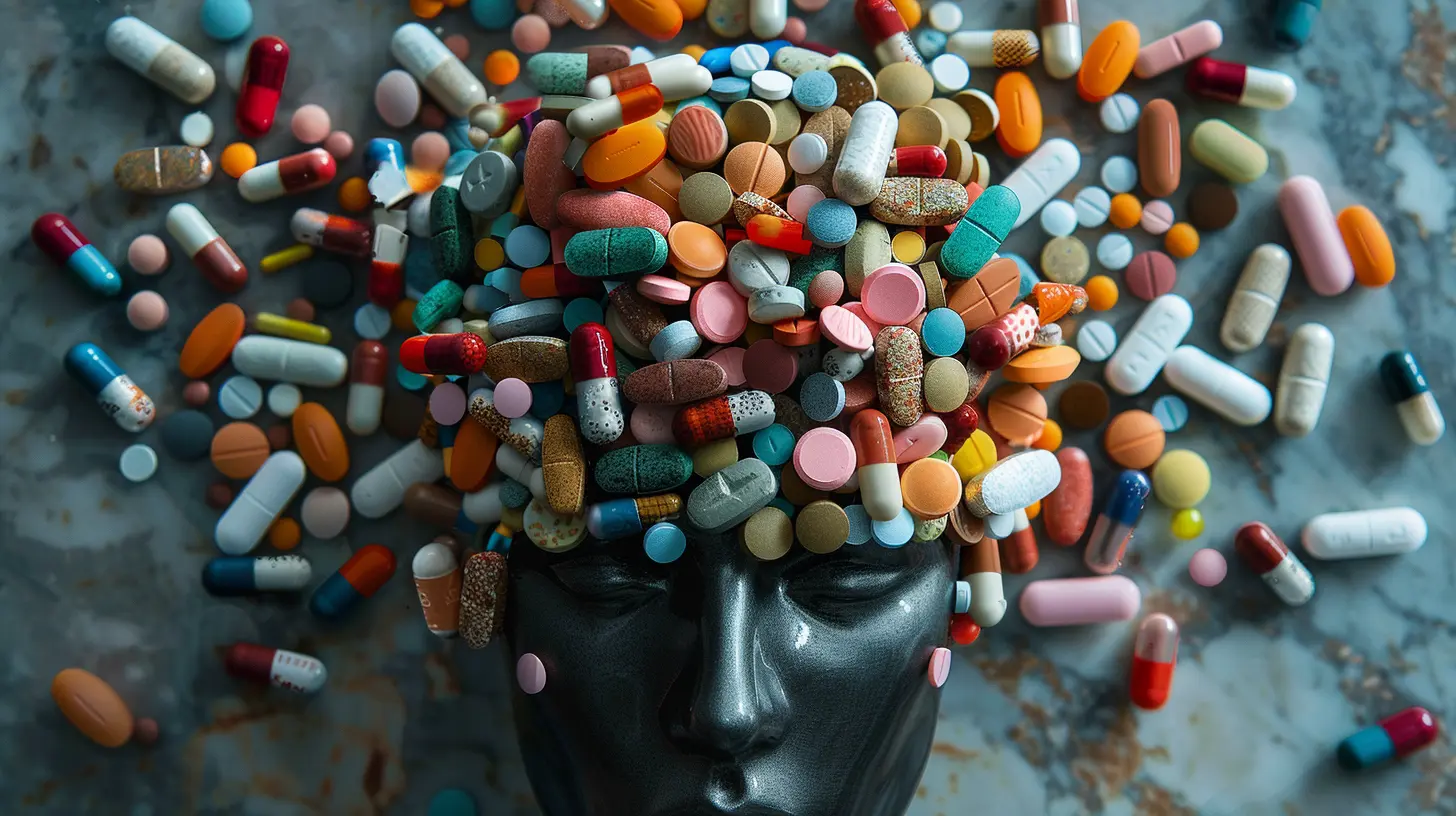
Dual Diagnosis: When Two Worlds Collide
In the psychology world, when someone has both a mental health disorder and a substance use disorder, it’s called “dual diagnosis” or “co-occurring disorders.”This combo is more common than people think. According to research, nearly half of the people who struggle with addiction also have a mental health disorder. That’s not a minor connection — that’s a major overlap.
Why Is Dual Diagnosis So Tricky?
Here’s the kicker: treating one without the other rarely works.Imagine trying to bail water out of a sinking boat without plugging the hole — that’s what it’s like treating addiction without addressing the underlying depression or anxiety behind it.
Conversely, treating mental illness without addressing substance use is like trying to run a marathon with a rock in your shoe. You can do it, but it’s gonna hurt — a lot.
Stigma: The Elephant in the Room
Unfortunately, there's still a heavy stigma attached to both mental illness and substance use. People are often ashamed or afraid of being judged, so they hide their struggles. This silence can delay treatment, which can make everything spiral even further.Let me ask you this — if someone had a broken leg, would you tell them to “just walk it off”? Of course not! So why do we often expect people with depression, anxiety, or addiction to just “suck it up”?
Breaking the Cycle: What Treatment Actually Looks Like
So what can be done? Is there hope? Absolutely.Treating co-occurring disorders requires an integrated, holistic approach — one that addresses both the mental health disorder and the substance use at the same time.
1. Therapy Matters — A Lot
Cognitive-behavioral therapy (CBT), dialectical behavior therapy (DBT), and trauma-based therapies are powerful tools for both substance use and mental illness. These therapies help individuals identify harmful thought patterns and behaviors — and replace them with healthier ones.2. Medication — When Used Properly
Psychiatric medications can help stabilize moods, improve focus, and lift depression — but they must be used wisely, especially in the context of substance use. That’s why working closely with a psychiatrist is key.3. Support Systems Are Gold
Let’s not forget the power of support. Whether it’s group therapy, 12-step programs, or simply friends and family who are understanding and present, a solid support network can be life-changing.Why Early Intervention Is Everything
The earlier someone gets help, the better the outcomes. Think about it like cancer — catch it early, and you have a good chance at remission. Wait too long, and the fight gets tougher.When people start addressing mental health symptoms before they spiral into substance use (or vice versa), it’s much easier to manage both. Early intervention can even mean the difference between life and death.
The Vicious Cycle: Real-Life Examples
Let’s put a human face on this.Take Lindsey, who struggled with severe anxiety since high school. She began drinking socially to loosen up. Over time, she relied on alcohol to function at work and in relationships. What started as social drinking morphed into dependency, and her anxiety got worse. Eventually, she found herself in rehab, where she realized: the drinking wasn’t the problem — the anxiety was.
Or look at Mark. He was prescribed opioids after a car accident. The painkillers dulled not just his physical pain, but years of unprocessed grief and trauma. Soon, he couldn’t go a day without them. When his prescription ran out, he turned to street drugs. In therapy, he uncovered deep emotional scars he'd never addressed — the real roots of his addiction.
These aren’t isolated stories. They're happening every day, all over the world.
Prevention: A Wise First Step
What if we could stop this cycle before it begins?That’s where prevention comes in. Teaching emotional resilience in schools, promoting open conversations about mental health, and reducing access to addictive substances are all part of the bigger picture.
Also, don’t underestimate the power of checking in on people. A simple, “Hey, how are you really doing?” can be a window for someone to open up.
Final Thoughts: It's Complicated, But Not Hopeless
The connection between substance use and mental health disorders is messy, complicated, and often misunderstood. But it's also treatable. With the right care, tools, and support, people can absolutely recover and live rich, fulfilling lives.If you or someone you care about is struggling, know this — help is out there. You don’t have to untangle those earbuds alone.
FAQs
Q: Can substance abuse cause permanent mental health issues?A: In some cases, especially with long-term use of certain substances, lasting mental health effects are possible. But with early intervention and the right treatment, many symptoms can be managed or even reversed.
Q: Is it possible to treat both issues at once?
A: Totally. In fact, it’s the best approach. Integrated treatment plans that target both the mental health disorder and the addiction tend to have the most success.
Q: Are some people more at risk for co-occurring disorders?
A: Yes. Genetics, early life trauma, family history, and chronic stress can all increase the risk of developing both mental health disorders and substance use disorders.
all images in this post were generated using AI tools
Category:
PsychopathologyAuthor:

Christine Carter
Discussion
rate this article
1 comments
Paris Carter
This article shines a light on an important topic! Understanding the link between substance use and mental health is crucial for healing. It gives us hope and a path toward recovery. Cheers to raising awareness and supporting each other on this journey to better mental wellness!
July 14, 2026 at 2:24 PM
Christine Carter
Thank you for your thoughtful comment! I completely agree that understanding this connection is vital for healing and supporting one another.