The Connection Between Gut Health and Mental Clarity
19 November 2026
In recent years, the link between gut health and mental clarity has gained significant attention in both scientific research and public discussions. The idea that what happens in the gut can affect the brain is not just a passing trend; it emerges from a complex interplay of biology, psychology, and nutrition. Understanding this connection can provide valuable insights for improving overall well-being.

Understanding the Gut-Brain Axis
What is the Gut-Brain Axis?
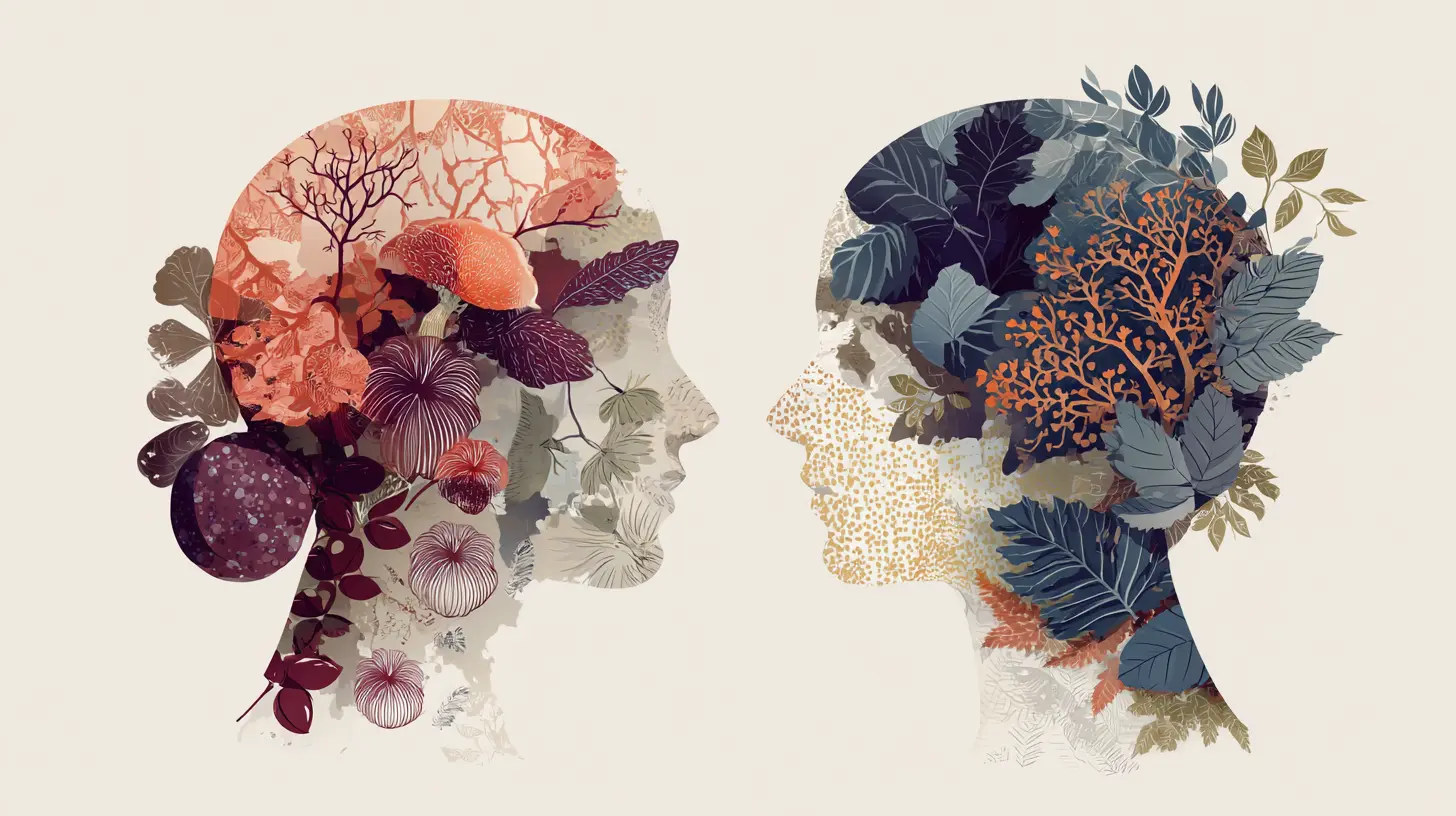
The gut-brain axis refers to the bidirectional communication network between the gastrointestinal tract and the brain. This connection involves multiple pathways, including the vagus nerve, hormonal signals, and the immune system. When the gut is healthy, it communicates effectively with the brain, contributing to better mood and cognitive function. Conversely, disturbances in gut health can lead to mental fog, anxiety, and other cognitive issues.The Role of the Microbiome
At the heart of the gut-brain axis is the gut microbiome, a vast community of microorganisms living in our digestive tract. These microbes play a crucial role in digestion, metabolism, and immune function. Recent studies suggest that the microbiome also influences brain health by producing neurotransmitters, such as serotonin and dopamine, which regulate mood and cognitive processes.For example, approximately 90% of serotonin, a key neurotransmitter linked to mood regulation, is produced in the gut. A diverse and balanced microbiome can enhance the production of these neurotransmitters, promoting mental clarity and emotional stability.
The Impact of Diet on Gut Health
How Diet Shapes the Microbiome
Diet is one of the most significant factors influencing gut health. A diet high in fiber, fruits, vegetables, and fermented foods promotes a diverse microbiome. Conversely, a diet rich in processed foods, sugars, and unhealthy fats can lead to dysbiosis, an imbalance in gut bacteria that can negatively affect mental clarity.Foods That Promote Gut Health
1. Fermented Foods: Foods like yogurt, kefir, sauerkraut, and kimchi contain live bacteria that can enhance gut health. These probiotics help restore balance and promote a healthy microbiome.2. Prebiotic Foods: Foods high in fiber, such as garlic, onions, leeks, asparagus, and bananas, serve as food for beneficial gut bacteria. They help these microbes flourish and support gut health.
3. Omega-3 Fatty Acids: Found in fish, flaxseeds, and walnuts, omega-3s have anti-inflammatory properties that can benefit both gut and brain health.
4. Polyphenol-Rich Foods: Foods like berries, green tea, and dark chocolate are rich in polyphenols, which can support gut health and have neuroprotective effects.
Common Dietary Pitfalls
While some foods are beneficial, others can be harmful to gut health. High-sugar diets can promote the growth of harmful bacteria, while excessive consumption of processed foods can lead to inflammation and gut permeability issues.Tips for a Gut-Friendly Diet
- Limit Processed Foods: Reduce intake of snacks, sodas, and fast food. Instead, focus on whole, nutrient-dense foods.- Stay Hydrated: Drinking enough water is essential for digestion and overall health.
- Mindful Eating: Pay attention to how different foods affect your mood and energy levels. Mindful eating can help identify foods that may cause discomfort or cognitive decline.

The Psychological Aspect of Gut Health
Stress and Its Impact on the Gut
Stress can significantly affect gut health. When stressed, the body enters a fight-or-flight mode, which can impair digestion and alter gut flora. Chronic stress has been linked to conditions like irritable bowel syndrome (IBS), which can further contribute to mental fog and anxiety.Strategies for Reducing Stress
- Mindfulness and Meditation: Practicing mindfulness can help reduce stress, leading to improved gut health and mental clarity.- Regular Exercise: Physical activity can boost mood and promote a healthy gut by increasing the diversity of gut bacteria.
- Adequate Sleep: Sleep is crucial for overall health and well-being. Poor sleep can disrupt the gut microbiome and lead to cognitive issues.

The Role of Supplements
Probiotics and Mental Clarity
Probiotic supplements can be beneficial for some individuals looking to enhance gut health. Various studies have suggested that probiotics may improve symptoms of anxiety and depression, highlighting the potential for better mental clarity.Choosing the Right Probiotic
When considering probiotics, look for products with multiple strains and sufficient colony-forming units (CFUs). It's essential to consult with a healthcare provider before starting any supplement to ensure it aligns with your health needs.Other Supplements to Consider
1. Omega-3 Fatty Acids: As previously mentioned, these can help reduce inflammation and support brain health.2. Vitamin D: There is emerging evidence linking vitamin D deficiency with mood disorders. Ensuring adequate levels may promote both gut and mental health.
3. Magnesium: This mineral is essential for numerous bodily functions, including nerve function. A deficiency can lead to anxiety and cognitive issues.
Real-World Examples
Case Study: The College Student
Consider a college student overwhelmed by academic pressures. She frequently consumes fast food, resulting in digestive issues and a lack of focus. After a month of incorporating more fermented foods and reducing sugar intake, she notices improved digestion and heightened mental clarity. This example illustrates how dietary changes can create a positive feedback loop between gut health and cognitive function.Case Study: The Professional
A busy professional struggles with anxiety and fatigue while managing a demanding job. By implementing mindfulness practices and a gut-friendly diet, he experiences reduced anxiety levels and improved clarity in his work. His journey highlights the transformative power of addressing gut health for mental well-being.
Common Misconceptions
"All Probiotics are the Same"
Not all probiotics are created equal. Different strains have different effects on gut health. Some may be more effective for digestion, while others may influence mood. It is essential to choose the right type based on individual needs."Diet Alone Can Fix Everything"
While diet plays a critical role in gut health and mental clarity, it is just one piece of the puzzle. Lifestyle factors, including stress management, sleep, and physical activity, are equally important in achieving overall well-being.Best Practices for Maintaining Gut Health
1. Prioritize Variety: Incorporate a wide range of foods in your diet to support microbiome diversity.2. Listen to Your Body: Pay attention to how different foods affect your mental clarity and mood. Individual responses can vary widely.
3. Stay Informed: Research on the gut-brain connection is evolving. Stay updated on the latest findings to make informed decisions about your health.
4. Consult Professionals: If struggling with gut or mental health issues, consider seeking guidance from a healthcare professional. They can provide personalized recommendations and support.
Conclusion
The connection between gut health and mental clarity is a fascinating area of study that underscores the complexity of human health. By understanding and nurturing this relationship through diet, lifestyle choices, and stress management, individuals can enhance not only their gut health but also their mental clarity and emotional well-being.As we continue to explore this intricate link, it becomes evident that taking a holistic approach to health-one that considers both the gut and the mind-can yield significant benefits.
all images in this post were generated using AI tools
Category:
Holistic Mental HealthAuthor:

Christine Carter

