The Connection Between Cognitive Dissonance and Cognitive Behavioral Therapy
29 May 2026
Ever felt that uncomfortable tug-of-war in your mind when your actions didn’t quite match your beliefs or values? That unsettling feeling has a name—cognitive dissonance, and it's not just some fancy psychological jargon. It’s actually a powerful experience that can mess with your emotions, behavior, and even your mental health.
On the other hand, there’s a well-known therapy that helps untangle this mental mess—Cognitive Behavioral Therapy (CBT). Now, what happens when these two meet? Is there a link between them? Spoiler alert: Yes, a strong one.
In this article, we’re going to dive deep into the connection between cognitive dissonance and cognitive behavioral therapy. We'll break it all down in a way that makes sense—even if you’ve never cracked open a psychology textbook in your life.
What Is Cognitive Dissonance, Anyway?
Let’s start with the basics. Cognitive dissonance is a psychological term coined by Leon Festinger in the 1950s. Essentially, it describes the mental discomfort you feel when your beliefs, values, or ideas conflict with your behaviors.Here’s a classic example: You believe smoking is unhealthy. But you still smoke. That nagging, guilty feeling? That’s dissonance making its grand entrance.
Everyday Examples of Dissonance
- Preaching about saving money while splurging on Amazon.- Advocating for healthy eating... as you devour a second slice of chocolate cake.
- Supporting environmental causes but still driving a gas guzzler.
We’ve all been there. And here’s the twist—people are wired to reduce this internal tension. How we deal with it can either help us grow or push us into denial or unhealthy patterns.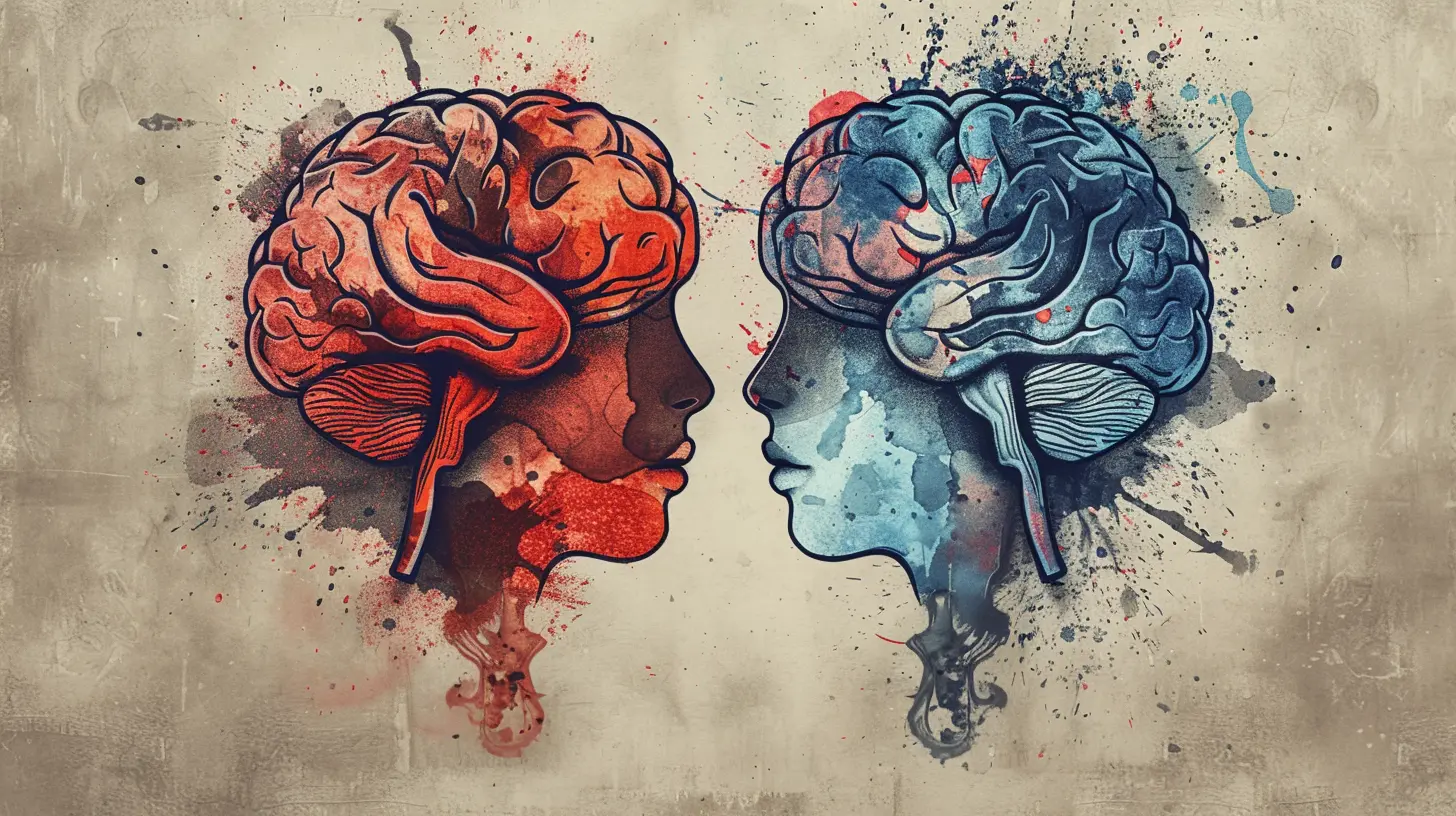
So, What’s Cognitive Behavioral Therapy (CBT)?
Now, let’s talk about CBT. This style of therapy is one of the most widely used and researched methods for treating mental health conditions, from anxiety and depression to PTSD and OCD.The Core of CBT
CBT is built on a simple, practical idea: Our thoughts, feelings, and behaviors are all connected. If we can change the way we think, we can change the way we feel and behave.Think of it like this: If your mind is a garden, CBT helps you pull out the weeds (negative, irrational thoughts) and plant flowers (healthier, balanced thoughts). 🌻
Where Do They Meet?
Here’s where things get fascinating. Cognitive dissonance and CBT are deeply intertwined, even though they come from different psychological backgrounds.Let’s unpack that.
1. Both Focus on Inconsistent Thoughts and Behaviors
At its heart, CBT is all about identifying and challenging distorted or irrational thoughts—many of which stem from internal conflict (hello, dissonance!). When your actions contradict what you believe, those thoughts can spiral into anxiety, guilt, or shame.CBT steps in like a mental referee, calling out the inconsistencies and helping you resolve them.
> “Okay, you believe you're a failure because you made a mistake at work. But you also know you've succeeded many times before. Let's dig into that.”
That’s dissonance being deconstructed, CBT-style.
2. CBT Uses Dissonance as a Catalyst for Change
Ironically, the discomfort of dissonance can be useful. In CBT, therapists often use this feeling as a motivator to encourage positive change.Let’s say someone struggles with low self-esteem. They constantly engage in negative self-talk like “I’m worthless.” But during therapy, they recall moments where they helped friends, succeeded in projects, or received compliments.
These memories challenge their negative self-beliefs, creating cognitive dissonance. That tension becomes the launchpad for cognitive restructuring—a key process in CBT.
3. Exposure Therapy? Yep, That’s Dissonance in Action
CBT often includes exposure therapy—especially for anxiety and phobias. Let’s say you're terrified of dogs after a bad experience. You firmly believe all dogs are dangerous.Now, imagine being gently exposed to friendly dogs in a controlled environment. That experience creates dissonance: "Wait, this dog is nice. Maybe not all dogs are scary?"
Over time, that contradiction between belief and reality breaks down the irrational fear. That’s dissonance doing some heavy lifting, guided by CBT techniques.
Why Dissonance Matters in Mental Health
Cognitive dissonance isn’t just about awkward moral choices or bad habits. It can dig deep into our core beliefs, sometimes feeding mental health disorders we struggle with daily.Anxiety and Dissonance
Let’s say you believe you should be in control all the time—but life is messy, unpredictable, and, well, NOT perfect.That internal tug-of-war creates mental friction. CBT helps identify this unrealistic belief and replace it with something more balanced: "It's okay to not have control sometimes."
Depression and Self-Perception
A person dealing with depression might believe “I’m not good enough,” even in the face of contrary evidence.When therapists challenge this belief and present positive realities, the brain experiences... you guessed it—cognitive dissonance. This dissonance, if guided properly, becomes fertile ground for healing and reframing.
How CBT Resolves Dissonance Step-by-Step
Let’s walk through how a CBT session might actually help resolve cognitive dissonance.Step 1: Identifying the Conflict
The therapist helps the client recognize where their thoughts and actions don’t align. This is where the dissonance gets called out.> “You say you’re not smart enough for a promotion, but you've successfully led multiple projects.”
Boom. There's the conflict.
Step 2: Challenging the Belief
The therapist then gently challenges the irrational belief using facts, logic, and past experiences.> “If you're not smart, how did you manage that presentation last month?”
This causes a shift in thinking, nudging the client toward a more accurate self-assessment.
Step 3: Restructuring the Thought
Now, they work together to reframe the belief. Something like:> “Maybe I do have the skills. I just tend to focus too much on my mistakes.”
This new thought reduces the mental discomfort. Dissonance, defused.
Step 4: Behavioral Alignment
Finally, the therapist may suggest behaviors that align with the reframed thought pattern, like applying for a new role or giving yourself credit without guilt.And just like that, the mind begins to sync up. Less tension. More clarity.
Real-Life Example: Meet Sarah
Let’s bring it all to life with a real-world scenario.Sarah believes she’s unlovable because her last relationship ended badly. Still, she wants love and connection. That’s a major dissonance headache.
In CBT, her therapist helps her see that one relationship doesn’t define her worth. She reflects on her qualities, past friendships, and the fact that people often enjoy her company. Her belief and reality clash, building dissonance.
Gradually, through thought journals and positive experiences, Sarah reshapes her thinking: “Maybe I am lovable. That breakup wasn’t about my worth.”
CBT uses the discomfort of dissonance to shift her mindset—and her life.
Can We Use Dissonance on Purpose?
Absolutely. Therapists and even everyday people can intentionally induce cognitive dissonance to encourage change.Let’s say someone is resistant to therapy because they believe it’s "for weak people." But then, they’re shown stats about successful professionals who openly use therapy.
Now the belief wobbles. Dissonance creeps in. That’s your opening.
If used ethically, this technique can break down harmful beliefs and open new doors for growth.
The Bottom Line
Cognitive dissonance and cognitive behavioral therapy are like two puzzle pieces that fit perfectly together. While dissonance triggers mental discomfort, CBT provides the tools to fix it.Think of cognitive dissonance as the engine light flashing on your dashboard. CBT? That’s your mechanic—diagnosing the issue, fixing the wiring, and getting you back on the road.
So next time you feel that inner conflict bubbling up, know this: it’s not a problem to hide. It’s a signpost leading you toward change. And CBT? It's your roadmap.
Final Thoughts: Embrace the Conflict
Life isn’t about having perfectly aligned thoughts and behaviors all the time. We’re humans, not robots.But recognizing when something feels “off” inside our minds—that gives us the chance to grow. Whether it’s through therapy or personal reflection, understanding the link between cognitive dissonance and CBT can be a game-changer.
So the next time your thoughts and actions don’t sync up, don’t panic. Instead, take a breath, tune in, and maybe ask yourself: “What would a CBT therapist say right now?”
Chances are, they’d remind you that change begins with awareness.
And that awareness? It starts with dissonance.
all images in this post were generated using AI tools
Category:
Cognitive DissonanceAuthor:

Christine Carter
Discussion
rate this article
1 comments
Peyton Kirk
This article does a great job highlighting how cognitive dissonance can impact our thoughts and behaviors. It effectively connects this concept to cognitive behavioral therapy, showing how understanding our internal conflicts can lead to meaningful change. A useful read for anyone interested in the dynamics of the mind and personal growth.
June 14, 2026 at 3:51 AM
Christine Carter
Thank you for your thoughtful comment! I'm glad you found the connection between cognitive dissonance and cognitive behavioral therapy meaningful. It's fascinating how understanding our internal conflicts can really spark change.