Predicting Behavioral Trends through Cognitive Bias in 2027
17 April 2026
Let’s be honest for a second. Trying to predict the future feels a bit like trying to nail jelly to a wall, doesn’t it? It’s messy, slippery, and often ends with a sense of futility. Yet, here we are, constantly trying to forecast everything from stock markets to fashion trends. What if I told you that the secret to seeing around the corner of 2027 isn’t found in a crystal ball, but inside the quirky, flawed, and utterly predictable wiring of our own brains? That’s right. The key to predicting behavioral trends lies in understanding cognitive biases—the mental shortcuts and systematic errors that shape every single decision we make.
Think of cognitive biases as the autopilot of the human mind. Most of the time, they’re incredibly useful, helping us navigate a complex world without getting paralyzed by analysis. But this autopilot has a fixed set of routes. It takes predictable detours, gets stuck in familiar traffic patterns, and is hilariously susceptible to certain types of advertising billboards. By 2027, as technology, data analytics, and neuroscience converge, we won’t just be aware of these biases; we’ll be mapping their collective expression across populations to forecast mass behavior with startling accuracy. This isn’t about mind-reading; it’s about pattern-recognition on a grand, psychological scale.
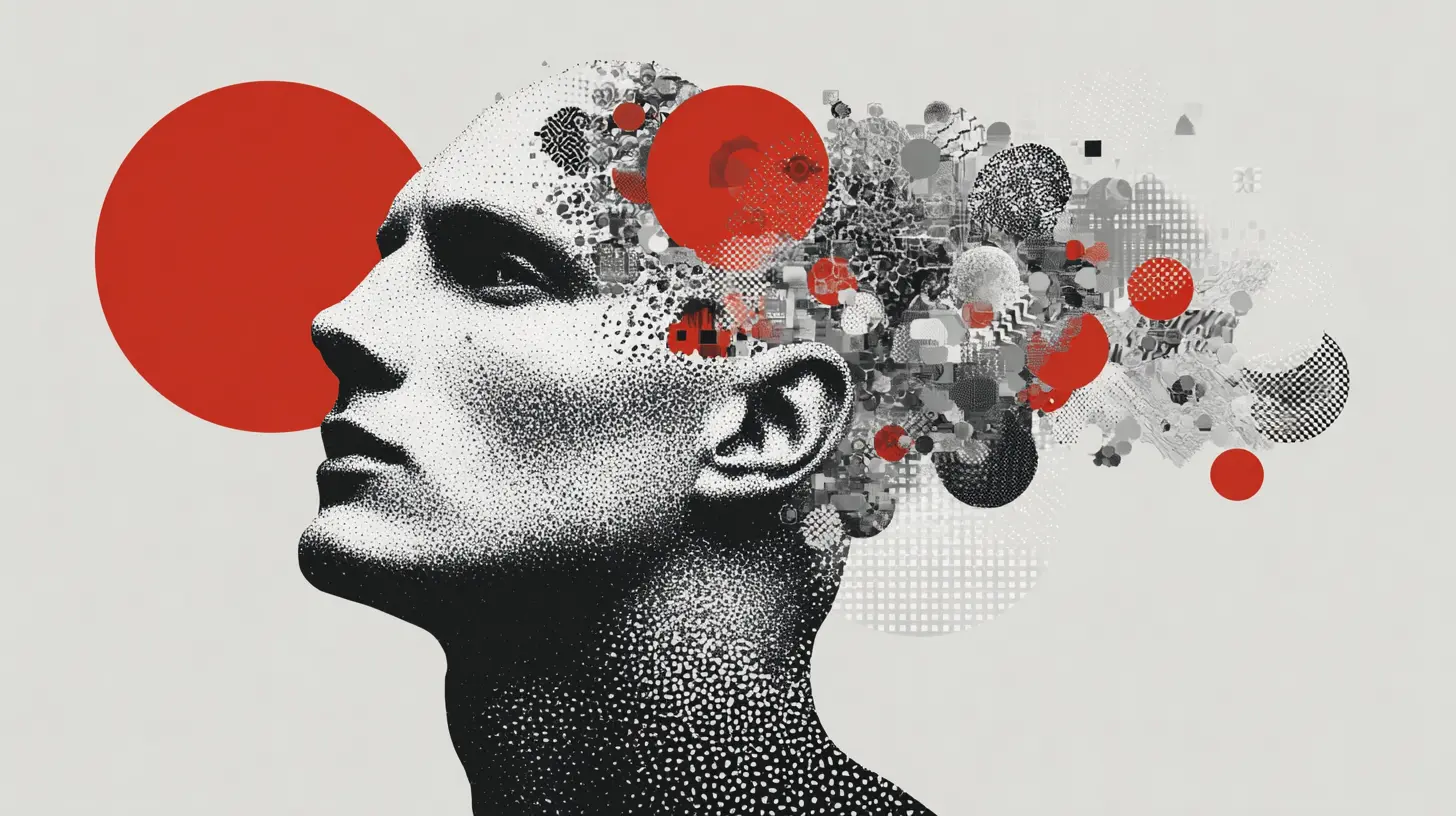
The Engine of Prediction: Why Biases Are Our Behavioral Blueprint
To get why this works, we need to ditch the idea that humans are purely rational actors. We’re not. We are emotional, social creatures who use mental rules of thumb—heuristics—to make sense of things. These heuristics, under specific conditions, become biases.Imagine you’re shopping online. You see a product with 2,000 glowing five-star reviews and one scathing one-star review. Which one do you linger on? For most of us, that negative review holds disproportionate weight. That’s the Negativity Bias in action—our hardwired tendency to pay more attention to bad news. It’s a survival relic. In our ancestral past, overlooking a potential threat (a rustle in the bushes that might be a predator) was far more costly than overlooking a potential berry bush. That bias hasn’t left us; it just now applies to online reviews, news headlines, and social media feeds.
Now, scale that up. If we know a population is being bombarded with negative news cycles (a certainty in our media landscape), we can predict a rise in risk-averse behavior, a heightened demand for security products, and a potential shift toward more “protective” political or consumer choices. The bias is the fixed lens. The data flowing through that lens is what changes. By 2027, predictive models will less often ask “What will people do?” and more often ask “Given this stimulus, which known bias will it trigger, and what is the probable behavioral outcome?”
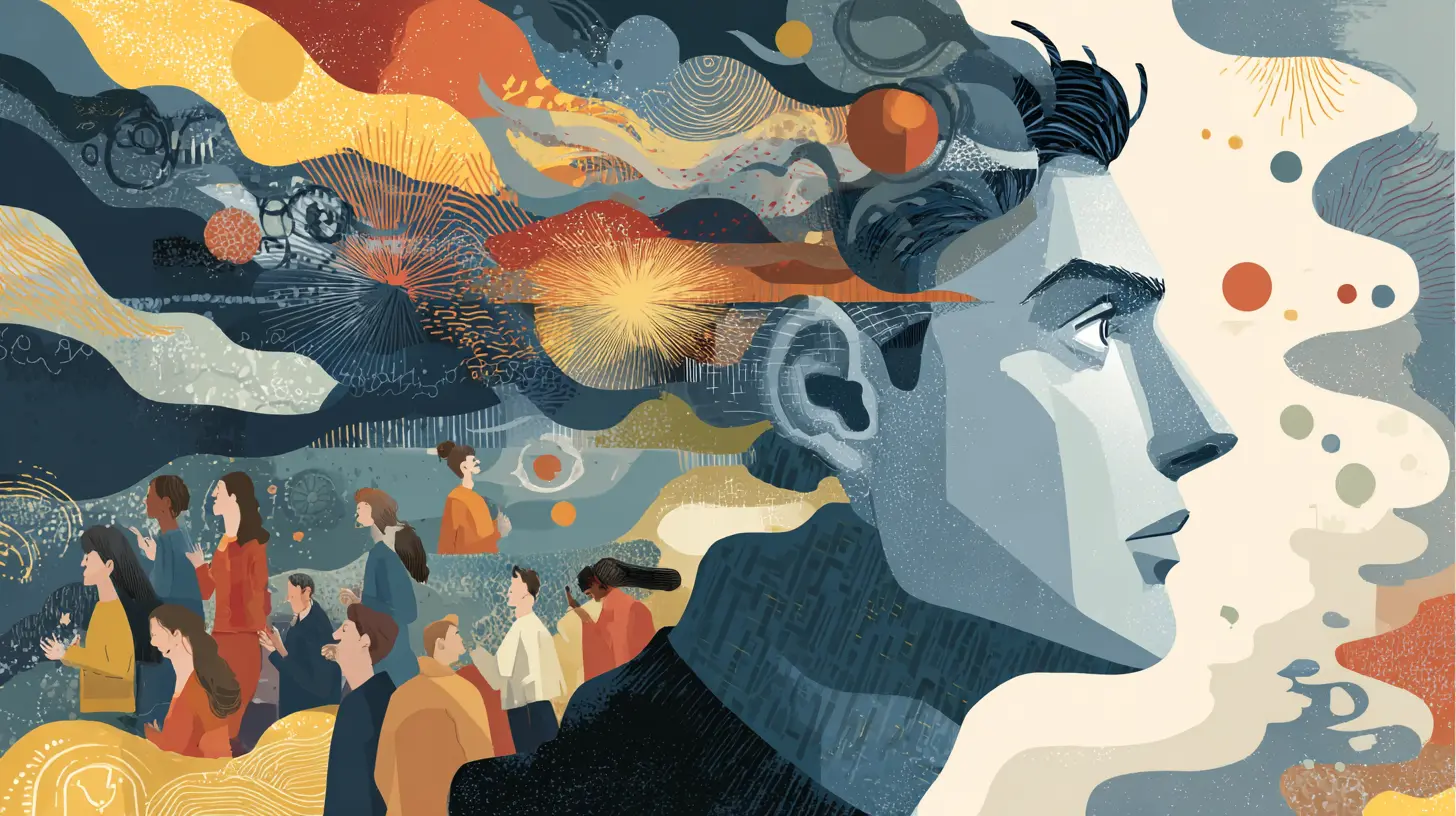
The 2027 Forecasting Toolkit: AI, Big Data, and the Bias Dashboard
So, how will this actually work in practice by 2027? The theory is cool, but the application is where it gets real. We’re moving beyond simple A/B testing into a world of integrated, real-time behavioral forecasting.1. The Quantified Bias Ecosystem: Today, companies track what you click. Tomorrow, they’ll infer why you clicked by triangulating data against known bias profiles. Your smartwatch won’t just track your heart rate; context-aware algorithms will note if a price increase triggered a stress response (hinting at Loss Aversion—the idea that losses hurt more than equivalent gains please). Your browsing patterns in a news app will be analyzed not just for content, but for sequence—are you falling into a Confirmation Bias loop, only clicking stories that reinforce your existing beliefs? This data, anonymized and aggregated, creates a live map of public susceptibility to specific biases.
2. Predictive Nudging on a Macro Scale: “Nudging”—gently guiding choices without restricting freedom—is already here. By 2027, it will be predictive. Let’s say a city wants to increase pension plan sign-ups among gig workers. A 2024 approach might use a default opt-in (leveraging the Status Quo Bias). The 2027 approach will first model the target demographic: they are likely to exhibit Present Bias (valuing immediate rewards over future security). The predictive system will then test and deploy hyper-personalized nudges before a peak in financial anxiety (predicted by social media sentiment analysis), perhaps using a vivid metaphor of “your future self thanking you” (leveraging Affective Forecasting bias) within a mobile app interface they already use daily. It’s proactive, not reactive.
3. Simulating Behavioral Cascades: This is the big one. The most powerful trends are social. The Bandwagon Effect (doing something because others are) and Social Proof are the jet fuel of viral phenomena. By 2027, using agent-based modeling (simulations of thousands of individual “agents” following simple rules), trend-forecasters will simulate how a product, idea, or behavior spreads through a social network. They’ll program these digital agents with realistic weights for various biases. How much does Authority Bias (trusting experts) matter for this tech product versus the Snob Effect (desiring unique goods) for this fashion trend? Running millions of simulations will highlight the most probable paths to mass adoption, allowing companies and policymakers to identify tipping points and potential backlash before a single real-world dollar is spent.
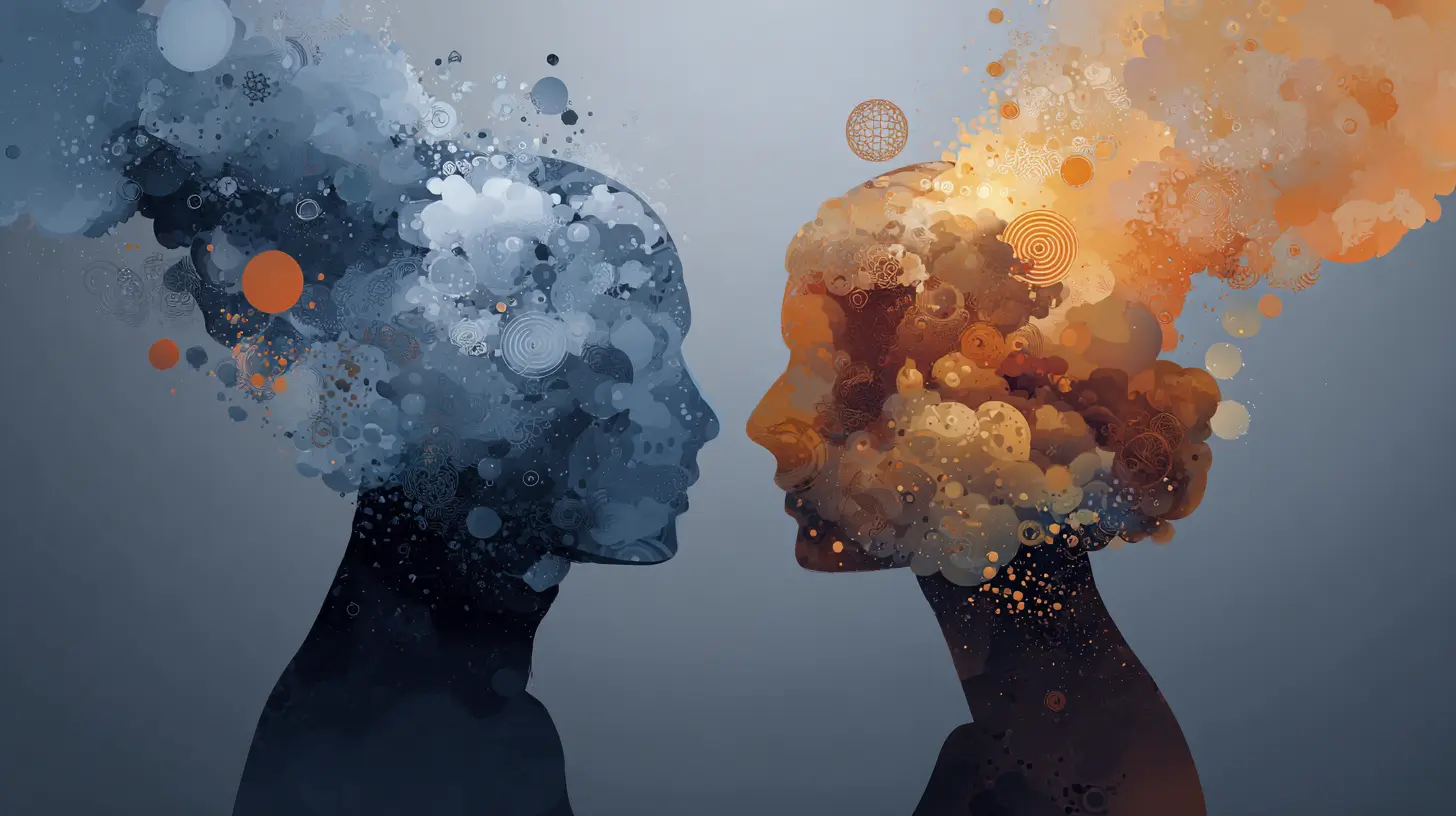
The Ethical Quagmire: Prediction vs. Manipulation
Now, I can sense the unease. This sounds powerful, maybe too powerful. And you’re right to feel that way. The line between predicting behavior and manufacturing it becomes dangerously thin when you know exactly which psychological levers to pull. This is the central ethical challenge we’ll be grappling with in 2027.If a streaming service’s algorithm knows your Recency Bias (overweighting the latest thing you saw) is particularly strong, and feeds you a sequence of content that makes a new show feel inescapably “hot,” did you choose to watch it, or were you guided? If a political campaign can identify micro-demographics supremely susceptible to In-Group/Out-Group Bias and serve them hyper-targeted messaging that amplifies division, are they informing voters or weaponizing cognitive flaws?
The conversation will need to shift from pure data privacy to cognitive liberty—the right to self-determination over one’s own mental processes. Transparency will be key. We might see the rise of “bias nutrition labels” for algorithms, or personal AI assistants designed not to sell to us, but to defend us, pointing out when an interface is exploiting our Scarcity Bias (“Only 3 left!”) or Anchoring (showing a high “original price” next to a sale price).

2027 Trend Predictions, Through the Bias Lens
Let’s get concrete. What might we actually see in 2027, predicted through this framework?* The “Digital Nostalgia” Boom: As the pace of change accelerates, the Declinism Bias (the tendency to view the past favorably and the future negatively) will intensify. We can predict a massive trend in curated digital experiences that evoke the early internet (think custom “2007-era” social media skins), retro-gaming revivals, and products that mimic analog tactile sensations. It won’t just be a niche; it will be a mainstream coping mechanism, a predictable behavioral trend driven by a collective bias toward perceived past simplicity.
Hyper-Personalization Backlash: We are deep in the era of the Filter Bubble, fueled by algorithms catering to our Confirmation Bias. By 2027, a significant counter-trend will emerge. A segment of consumers, aware of this trap, will actively seek out “serendipity engines”—platforms and products that randomly* expose them to new ideas, opposing viewpoints, or unfamiliar products. The very predictability of bias-driven feeds will create a market for the unpredictable. This is a meta-trend: a behavior (seeking randomness) predicted by our understanding of a prior behavior (succumbing to over-personalization).
Decision Fatigue as a Primary Market Force: The Paradox of Choice (too many options leading to anxiety and decision paralysis) will reach a crescendo. Predicting this, successful services in 2027 won’t offer more choice; they’ll offer trusted, curated lack of choice*. We’ll see the rise of “Delegate & Trust” subscriptions for everything from clothing to meals to entertainment, leveraging our Authority Bias toward a trusted brand or influencer to make decisions for us. The trend won’t be about owning things, but about outsourcing the cognitive load of choosing them.
Preparing for a Bias-Aware Future: What It Means for You
As we hurtle toward 2027, this isn’t just academic. It’s personal. So, what can you do?First, build your own bias vocabulary. Knowing that the Sunk Cost Fallacy might keep you in a bad investment, or that the Dunning-Kruger Effect might make you overconfident in a new skill, is your first line of defense. It’s like having an immune system for your decisions.
Second, cultivate friction. The most powerful bias exploits happen in environments of seamless, impulsive action. Add a deliberate pause. For big decisions, sleep on it. This simple act engages your slower, more deliberate System 2 thinking, helping to counter the instinctive, bias-prone System 1.
Finally, demand algorithmic accountability. Support transparency in the systems that shape your world. Ask questions. Why is this in my feed? What is this design trying to make me feel or do? In 2027, the most valuable skill might be “algorithmic literacy”—the ability to understand and question the digital architectures that are, in turn, trying to understand you.
The future of behavioral prediction isn’t a dystopia of total control, but it’s not a utopia of perfect choice either. It’s a complex landscape where our innate psychological patterns become a new kind of public data. By 2027, the organizations and individuals who will thrive will be those who not only use these tools to predict trends but who also champion the ethical frameworks and personal awareness needed to navigate them. The ultimate trend we must predict—and shape—is our own collective commitment to using this knowledge not just to sell better, but to live better, more aware, and more authentically human lives.
all images in this post were generated using AI tools
Category:
Cognitive BiasesAuthor:

Christine Carter
Discussion
rate this article
1 comments
Delta McCoy
What an exciting glimpse into the future of psychology! The exploration of cognitive bias and its impact on behavioral trends in 2027 offers a fascinating perspective on human behavior. I can’t wait to see how these insights will empower us to make better decisions and foster positive change. Keep up the great work!
April 18, 2026 at 4:27 PM
Christine Carter
Thanks for your enthusiasm! I'm excited to share these insights and see how they can shape our understanding of human behavior. Stay tuned for more updates!