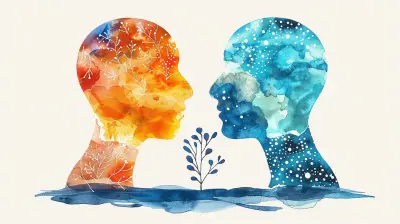
How to Manage Loneliness for Better Mental Health
11 July 2026
Let’s be real—loneliness sucks. It’s that heavy, nagging feeling in your chest when you’re surrounded by silence or even when you're in a room full of people but still feel totally invisible. We’ve all felt it at some point, and in today’s hyper-connected digital age, it's wild how disconnected we can still feel.
But here’s the thing: loneliness isn’t just some passing emotion. It can seriously mess with your mental (and physical) health if left unchecked. The good news? You don’t have to sit and wait for someone to swoop in and fix it. You’ve got way more power than you think.
In this article, we’re diving deep into how to manage loneliness, not with fluffy quotes or unrealistic suggestions—but with real, practical strategies that anyone (yep, even introverts) can apply.
What Exactly Is Loneliness?
First off, let’s clear up a common misconception. Loneliness isn't the same as being alone. You can be alone and feel totally content, right? Think of cozy nights reading your favorite book or solo coffee dates where you're genuinely vibing with your own company.Loneliness kicks in when the connection part is missing. It’s a feeling of not being seen, heard, or understood. In other words, you don’t necessarily lack company—you lack meaningful connection.
Why Loneliness Hits Hard
It’s not just in your head (well, technically it is, but you get what I mean). Loneliness can literally impact your brain and body. Studies show it’s linked to anxiety, depression, increased stress levels, and even weakened immune systems. Chronic loneliness can be just as damaging as smoking 15 cigarettes a day—yeah, it's that serious.So what causes it?
- Life transitions – Moving to a new city, starting a new job, or going through a breakup.
- Social anxiety – When connecting feels more like a threat than a blessing.
- Loss – Whether it's the death of a loved one or the end of a friendship.
- Technology – Yep, scrolling through Instagram might actually be making it worse.
Now that we get why loneliness feels like such a beast, let’s talk about taming it.
1. Acknowledge the Feeling—Don’t Numb It
The first step? Admit you’re lonely. Sounds simple, but it’s not always easy. Our brains often try to distract us with binge-watching shows, doom-scrolling, or overworking. But numbing doesn’t fix things—it just delays the pain.Try this: Sit with the feeling. Journal about it. Talk to yourself as you would to a friend. Say, “Okay, I’m feeling lonely right now. That’s tough, but it doesn’t define me.” Naming your emotion takes away some of its power.
Quick Tip:
Keep a "mood journal" for a week. Note what triggers your loneliness and what seems to help. You might start seeing patterns that give you more control.
2. Reconnect with Yourself First
This might sound cliché, but loneliness can be a signal—not a sentence. Sometimes, it’s your inner self nudging you, saying “Hey, let’s rebuild our relationship.”Spend time doing things that make you feel alive. Paint, write, cook, dance in your pajamas—whatever reconnects you to joy. When you genuinely enjoy your own company, you stop feeling like you're waiting for someone to save you from solitude.
Think of it this way: Loneliness is like an empty cup. Fill it up with self-love and genuine interests. That way, you won’t feel so parched waiting for someone else to pour into it.
3. Strengthen Current Relationships
Here’s something a lot of us forget: You probably already have people in your life—you just might not be connecting deeply with them.- Reach out – Text a friend just to say hi. Send a voice note. Call your sibling. Most people are more open to reconnecting than you think.
- Be vulnerable – It’s scary, but honesty creates closeness. Share how you’ve been feeling (without dumping, of course).
- Create rituals – Regular Friday night calls, Sunday walks—these anchor relationships.
Pro tip: Quality over quantity. A tight bond with two or three people can cut through loneliness way better than having 300 social media “friends.”
4. Create New Social Opportunities (Without Being Weird About It)
Making new friends as an adult can feel like trying to find the last avocado at the supermarket—awkward and often fruitless. But it doesn’t have to be that way.Here’s how to make it less cringey:
- Join a class or club – Pick something you're genuinely interested in. Yoga, pottery, improv comedy—whatever makes you curious.
- Volunteer – Helping others boosts your sense of purpose and connects you to people.
- Online groups – Subreddits, Facebook groups, local meet-ups. The internet can be a bridge, not a barrier.
Remember, everyone’s a little scared to make the first move. Be the person who smiles first. It works.
5. Get Off the Scroll-Fest
Look, social media isn’t all bad—but when you’re lonely, it’s like trying to quench thirst with saltwater. Seeing everyone's highlight reel can make you feel like you're the only one struggling (spoiler alert: you’re not).Try doing a social media detox for a few days. Or at least unfollow accounts that make you feel worse instead of better. Replace that time with activities that help you connect in the real world.
6. Take Care of Your Physical Health
Yeah, yeah, we all know exercise is good for us. But when you’re lonely, it’s not just about getting abs—it’s about boosting your brain chemicals. Even a brisk walk can release endorphins that improve your mood.Other body-boosting, brain-loving habits:
- Eat well – Your gut affects your mood more than you think.
- Sleep enough – Lack of sleep messes with your emotional regulation.
- Stay hydrated – Your brain literally works better when you’re not running on empty.
7. Talk to Someone (Seriously)
Sometimes you just need to get it out. Talking to a therapist or counselor doesn’t mean you’re “weak.” In fact, it means you’re strong enough to want change.Therapists can help you identify patterns, build social skills, and reframe unhelpful thoughts. Online therapy options also make it super accessible today.
Pro-tip: If therapy feels too big of a step, start with a support group. There’s one for everything—from grief to social anxiety to general loneliness.
8. Practice Gratitude—and Mean It
This one might sound a bit “woo-woo,” but hear me out. When you focus on what’s missing, your brain gets stuck in lack mode. Gratitude flips the switch. It helps you tune into what’s already good.Start small: Write down three things you're grateful for each day. They don’t have to be deep—coffee that didn’t spill, a kind cashier, a surprisingly good sunset.
Over time, this habit trains your brain to seek out connection and joy.
9. Create Structure in Your Day
Loneliness often feels worse when your days blur together. Wake up, scroll phone, feel meh, repeat.Break the cycle by creating simple routines:
- Morning walk or stretch
- Regular meal times
- A hobby before bed instead of binging Netflix
Routines give your day rhythm. And when your days have rhythm, your mind starts dancing again (yes, cheesy—but true).
10. Remember: This Is a Season, Not a Life Sentence
Last but crucial—don’t catastrophize. Feeling lonely doesn’t mean you’re doomed to be alone forever. Feelings are like waves. They come in, they go out.Treat this phase as a chapter, not the whole book. Because trust me, the plot does get better. Especially when you take small daily steps to rewrite it.
Final Thoughts
Loneliness is a deeply human experience. It’s not a flaw, a failure, or something to be ashamed of. In fact, it’s often just a signal—a reminder that connection matters.The trick isn’t to wait for someone else to come fix it. It's to start where you are, with what you have, and begin building a life that feels full and meaningful. Connection—real connection—starts with you deciding you’re worth it.
And spoiler alert: You totally are.
all images in this post were generated using AI tools
Category:
Psychological Well BeingAuthor:

Christine Carter
Discussion
rate this article
1 comments
Seth McIlroy
This article offers thoughtful insights on managing loneliness. It's so easy to feel isolated in today's world, yet the tips here remind us we can take small steps toward connection and self-care. Thank you for sharing these strategies to promote better mental health in our lives.
July 18, 2026 at 2:40 PM
Christine Carter
Thank you for your kind words! I'm glad you found the insights helpful. Small steps can make a big difference.