How Social Media Impacts Mental Health: Emerging Psychopathologies in a Digital Age
16 January 2026
Social media has revolutionized the way we connect, communicate, and consume content. But let’s be honest—while scrolling through endless feeds of picture-perfect lives, viral trends, and random cat videos can be entertaining, it’s also messing with our heads in ways we never saw coming.
In the grand scheme of things, social media is still a relatively new phenomenon, which means we’re only beginning to understand its long-term psychological impact. And let me tell you, the findings are both fascinating and downright terrifying. From anxiety and depression to brand-new disorders that didn’t even exist a decade ago, the effects of social media on mental health are becoming impossible to ignore.
So, let’s dive into the messy, mind-bending world of social media and its emerging psychopathologies. Buckle up—it’s going to be a wild ride.
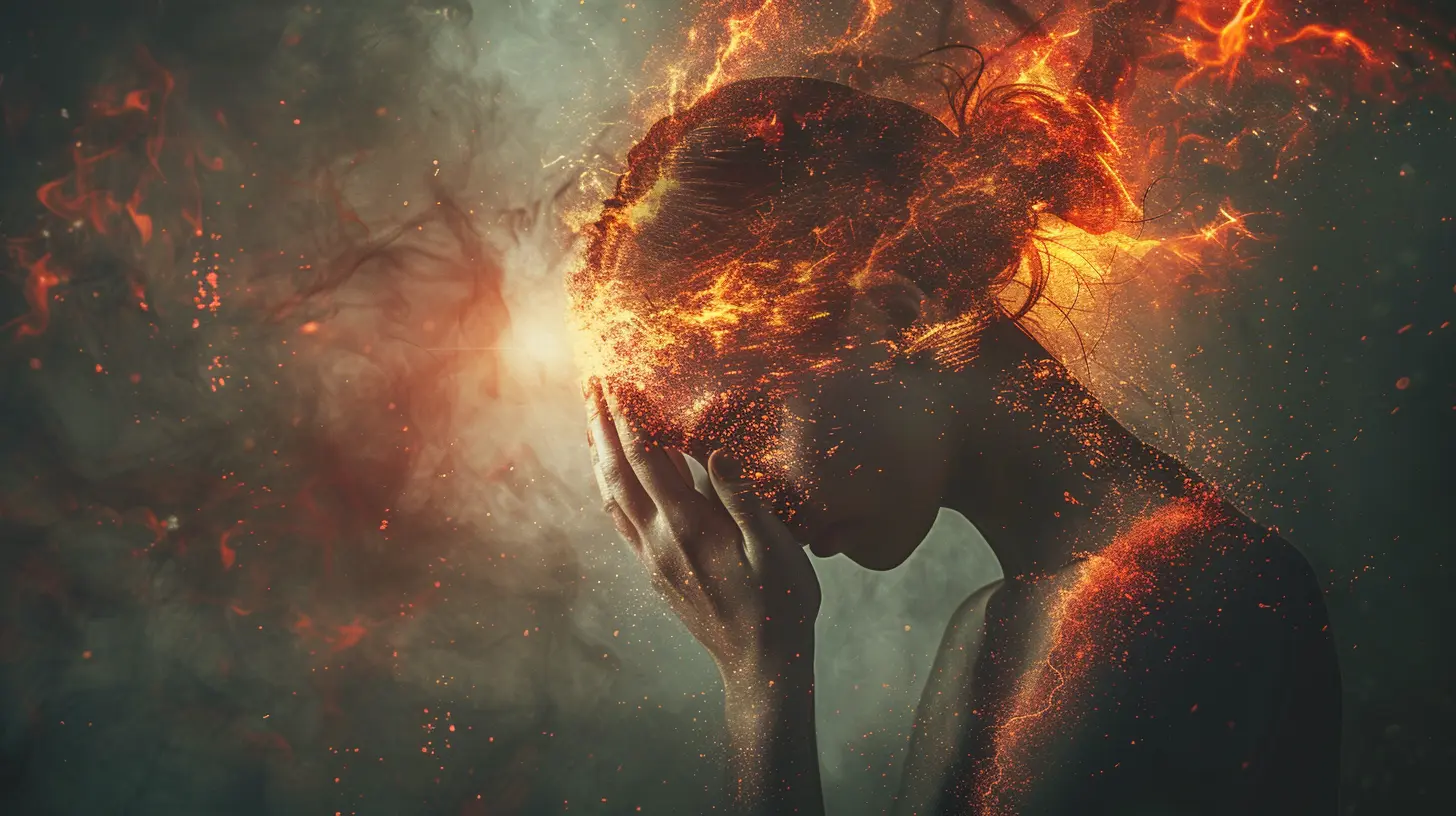
The Social Media-Mental Health Connection: A Double-Edged Sword
Social media isn’t all bad. It helps us stay in touch with loved ones, find support communities, and even learn new skills. But just like a double-edged sword, it can cut both ways.The problem? Our brains haven’t evolved to handle the sheer amount of information, comparison, and validation-seeking behavior that social media throws at us 24/7. It’s like an all-you-can-eat buffet of dopamine hits, and we just keep going back for more—only to end up mentally bloated and emotionally exhausted.
The Dopamine Trap: Why We’re Addicted to Likes
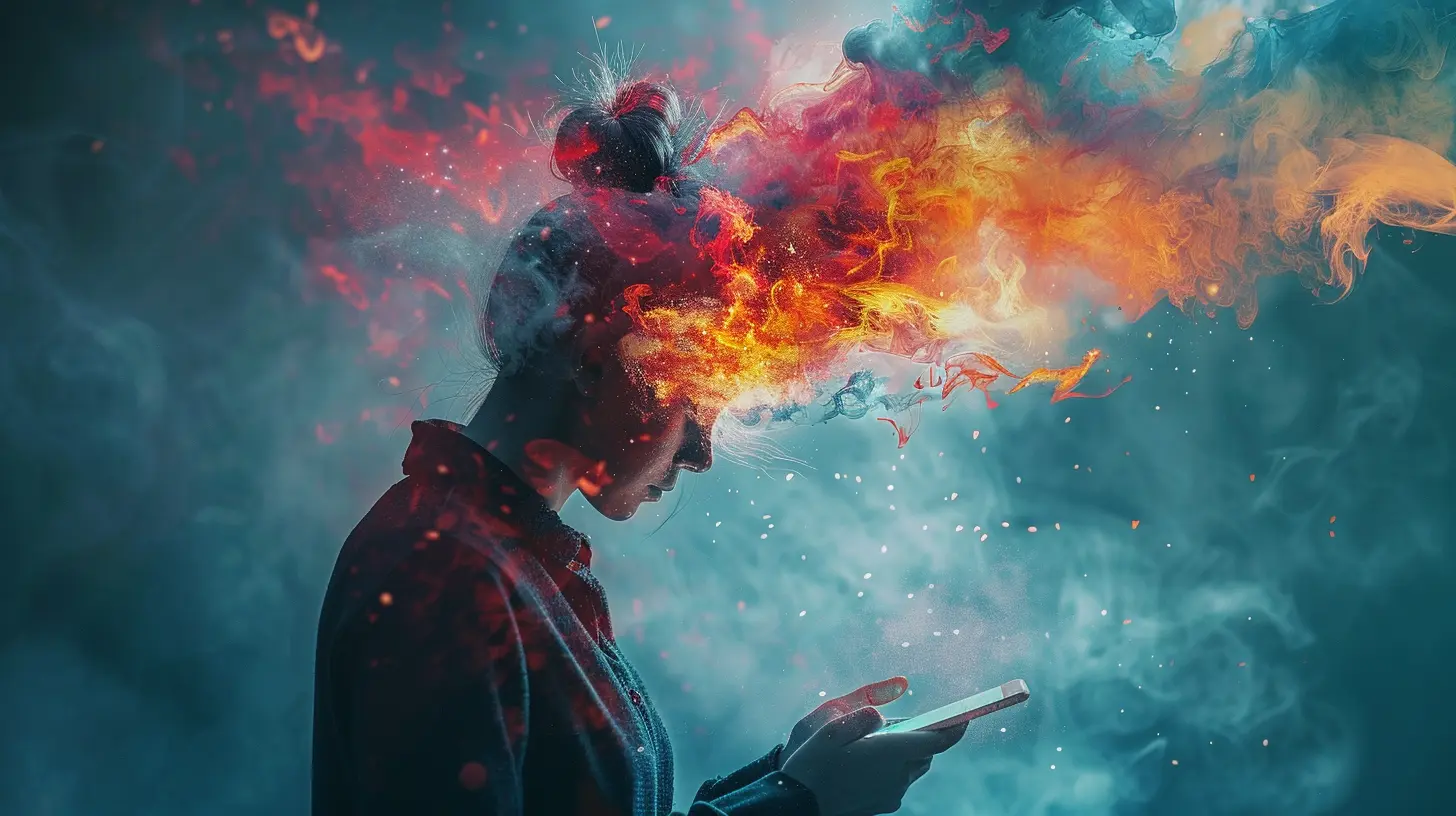
Ever noticed that tiny rush of excitement when your post gets a like, a comment, or (gasp!) a share? That’s dopamine at work—the same brain chemical associated with pleasure and reward.Social media platforms are designed to keep us hooked. Notifications, infinite scrolling, and unpredictable rewards (aka "when will my crush like my selfie?") all hijack our brains’ reward system. It’s basically gambling, but instead of losing money, we might be losing our self-esteem.
Emerging Psychopathologies: The New Age Mental Health Struggles
With the rise of social media, psychologists are observing new mental health disorders—or at least, modern twists on existing ones. Here are some of the most alarming ones:1. Social Media Anxiety Disorder
Yes, this is a thing. If the thought of posting something and getting zero engagement makes you break into a cold sweat, you might be experiencing social media anxiety disorder.People with this condition feel extreme stress over their online presence. They overthink captions, delete posts that don’t get enough likes, and constantly refresh their notifications. In short, their self-worth is tied to their social media performance, which is as exhausting as it sounds.
2. Snapchat Dysmorphia
Remember when people used to take pictures without filters? Yeah, those were the days. Now, thanks to Snapchat, Instagram, and TikTok filters, a growing number of people are developing unhealthy obsessions with their digitally altered faces.Snapchat Dysmorphia is when people become dissatisfied with their real appearance because they prefer how they look with filters. Some even seek plastic surgery to resemble their filtered selves. It’s like wanting to live in a Photoshop file—except you actually exist in real life, and real-life faces don’t come with beauty filters.
3. Doomscrolling: The Anxiety Spiral
Ever found yourself scrolling through one bad news story after another, unable to stop? That’s doomscrolling, my friend. It’s when people compulsively consume negative information, even though it makes them feel worse.In today's world, bad news spreads faster than wildfire, and social media algorithms make sure you see every tragic detail. This constant bombardment of negativity can contribute to chronic stress, anxiety, and even depression.
4. FOMO (Fear of Missing Out)
Thanks to Instagram and TikTok, we’re constantly reminded of all the exciting things other people are doing—vacations, parties, concerts, brunches you weren’t invited to. The result? FOMO.Fear of Missing Out makes people feel like they’re not living their best lives because they’re comparing their mundane Tuesday night to someone else’s highlight reel. And let’s be real—most of us have tried to stage a "candid" photo just to prove we’re having fun, even when we’re actually bored out of our minds.
5. Online Validation Dependency
Some people won’t believe they look good unless the internet tells them so. If you feel the need to post selfies just to receive validation from likes and comments, you might be struggling with Online Validation Dependency.This can lead to low self-esteem, because your self-worth becomes tied to how other people react to your content. And when the engagement isn’t as high as expected? Cue the emotional breakdown.
The Dark Side of Social Comparison
Let’s be honest: social media is basically a comparison trap disguised as entertainment. It’s human nature to compare ourselves to others, but social media amplifies it to an unhealthy degree.Think about it—people only post their best moments. They show off vacations, new relationships, job promotions, gym progress, or perfectly plated meals. Nobody posts about their bad hair days, failed job interviews, or eating cereal straight from the box while binge-watching Netflix.
But when we only see the highlight reels of others, it skews our perception of reality. We start feeling like we’re falling behind, like our lives aren’t good enough, like everyone else has it all figured out—except us. And that’s a dangerous road to go down.
Cyberbullying: The Hidden Epidemic
Social media has given bullies a new playground, and the consequences can be devastating. Cyberbullying can be relentless, with victims unable to escape the harassment because it follows them everywhere, 24/7.Studies show that victims of cyberbullying are at higher risk of anxiety, depression, and suicidal thoughts. And what makes it worse? The anonymity of the internet makes people feel bolder, allowing them to say things they’d never dare to say in real life.
The Constant Need to Be "On"
Gone are the days when we could just live our lives without documenting every tiny detail. Now, there’s this unspoken pressure to capture everything for the ’Gram.Vacations aren’t just about relaxing—they’re about getting the perfect travel pic. Concerts aren’t about listening to music—they're about recording a blurry video you’ll never watch again. Even meals have turned into photoshoots.
It’s exhausting. And honestly? It takes us out of the moment. We become so focused on curating content that we forget to actually enjoy experiences.
What Can We Do About It?
Alright, so we’ve established that social media can seriously mess with our mental health. But does this mean we should all delete our apps and move to a cabin in the woods? Not necessarily.Here are a few ways to have a healthier relationship with social media:
1. Set Time Limits
Spending hours mindlessly scrolling? Set app timers to control your usage. Your sanity will thank you.2. Curate Your Feed
Unfollow or mute accounts that make you feel bad about yourself. Follow people who inspire, educate, or bring you joy.3. Take Social Media Breaks
Every now and then, do a digital detox. Your brain needs a break from all the noise.4. Focus on Real-Life Connections
No amount of likes will ever replace the feeling of real, in-person interactions. Put the phone down and spend quality time with the people who actually matter.5. Remember—It’s Not Real Life
People only post what they want you to see. Don’t compare your behind-the-scenes to someone else’s highlight reel.Final Thoughts
Social media isn’t going anywhere—it’s part of our lives now. But if we’re not careful, it can seriously mess with our mental well-being. The key is to use it mindfully, set boundaries, and remind ourselves that our worth isn’t measured in likes, comments, or shares.At the end of the day, real happiness comes from living life—not just posting about it.
all images in this post were generated using AI tools
Category:
PsychopathologyAuthor:
Christine Carter
Discussion
rate this article
2 comments
Shania Valentine
Great article! It’s fascinating to see how social media shapes our mental health landscape. While it offers connection, the emerging challenges are crucial to understand. Let’s keep the conversation going on balancing our online presence with self-care and genuine interactions!
February 8, 2026 at 5:38 AM
Christine Carter
Thank you for your thoughtful comment! I'm glad you found the article insightful. Balancing online engagement with self-care is indeed vital as we navigate these challenges together.
Zevonis Huffman
Great article! It's fascinating to see how social media shapes our mental health, both positively and negatively. Understanding these emerging psychopathologies is crucial for navigating our digital lives. I especially appreciated the practical tips for maintaining a healthy balance. Looking forward to more insights on this important topic!
January 19, 2026 at 4:48 AM
Christine Carter
Thank you for your thoughtful feedback! I'm glad you found the article helpful and insightful. Stay tuned for more discussions on this important topic!