How Social Connections Impact Our Mental Health
25 June 2026
We’ve all heard that humans are social beings, right? But have you ever thought about what that really means for your mental health? Think about it—how do you feel after a long, heartwarming conversation with a close friend? Or perhaps after spending a cozy weekend with your family? You probably feel lighter, happier, and more grounded. This isn’t just a random burst of joy; there’s actual science behind why social connections are crucial for our mental well-being.
In this article, we’re going to dive deep into how social relationships can shape our emotional world, boost our mental health, and even protect us from mental health issues. Whether you're an introvert or an extrovert, our connections with others undeniably play a significant role in our psychological well-being. So, let's get into it!
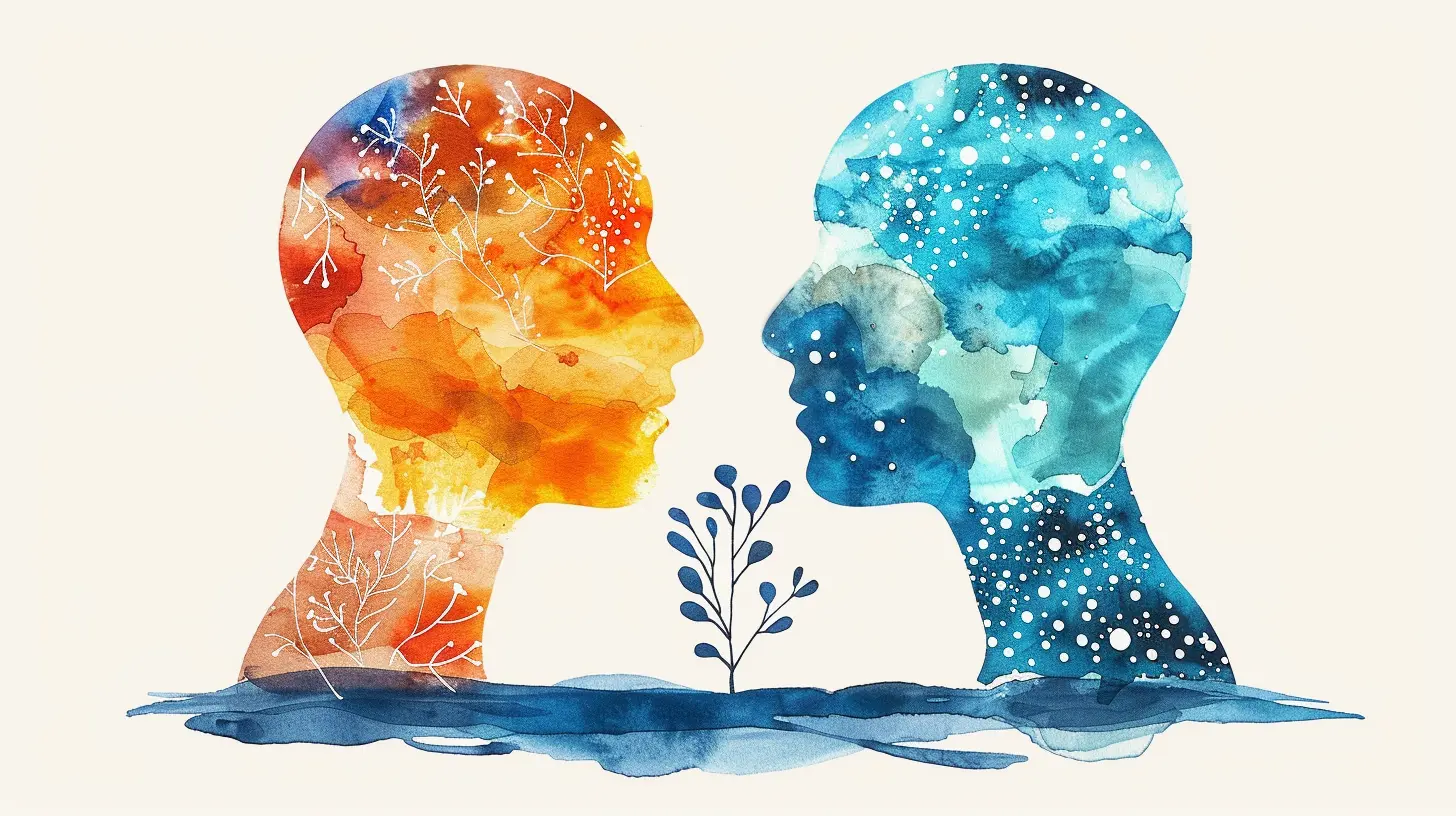
The Importance of Social Connections for Mental Health
First off, let’s get one thing clear: social connections are not just a “nice-to-have”; they are essential. Just like food, water, and air, we need relationships to thrive emotionally and mentally. Numerous studies support this, showing that people who are more socially connected tend to be happier, healthier, and even live longer.But why is that? What is it about connecting with others that affects our mental health so profoundly?
Social Bonds and Emotional Support
At its core, the most obvious benefit of social connections is emotional support. Life can be tough—stress from work, family responsibilities, financial issues, or personal challenges can weigh you down. Having someone to talk to during these times can significantly lighten the load. When we share our burdens, they don’t feel as heavy. It’s like that saying, “A problem shared is a problem halved.”When we have a strong support network—whether it's family, friends, or even coworkers—we get to vent, seek advice, or simply feel heard. This emotional safety net helps reduce stress, anxiety, and even depressive symptoms. On the flip side, lacking social support can make us feel isolated, which can then lead to deeper emotional struggles.
Social Connections and a Sense of Belonging
Ever been in a situation where you felt completely out of place? Maybe it was at a party where you didn’t know anyone, or perhaps you moved to a new city and felt like a fish out of water. That uncomfortable feeling is what happens when we lack a sense of belonging.On the contrary, when we have strong social connections, we feel like we belong somewhere. We are wired to belong. Whether it's being part of a family unit, a group of friends, or even an online community, knowing that we are part of something bigger than ourselves nurtures our emotional health. This sense of belonging can act as a buffer against loneliness and depression.
Loneliness: The Silent Mental Health Killer
Let’s talk about loneliness for a second. Loneliness isn’t just about being physically alone—it’s about feeling lonely, even when you're surrounded by people. You could be in a room full of people and still feel completely isolated. And this loneliness can have a devastating impact on mental health.Research has shown that chronic loneliness can lead to increased levels of stress hormones like cortisol, which can contribute to anxiety, depression, and even physical health issues like heart disease. In fact, some studies suggest that loneliness is as harmful to our health as smoking 15 cigarettes a day!
This is why fostering meaningful social connections is so important. It helps combat feelings of loneliness and provides a safety net for when life gets tough.
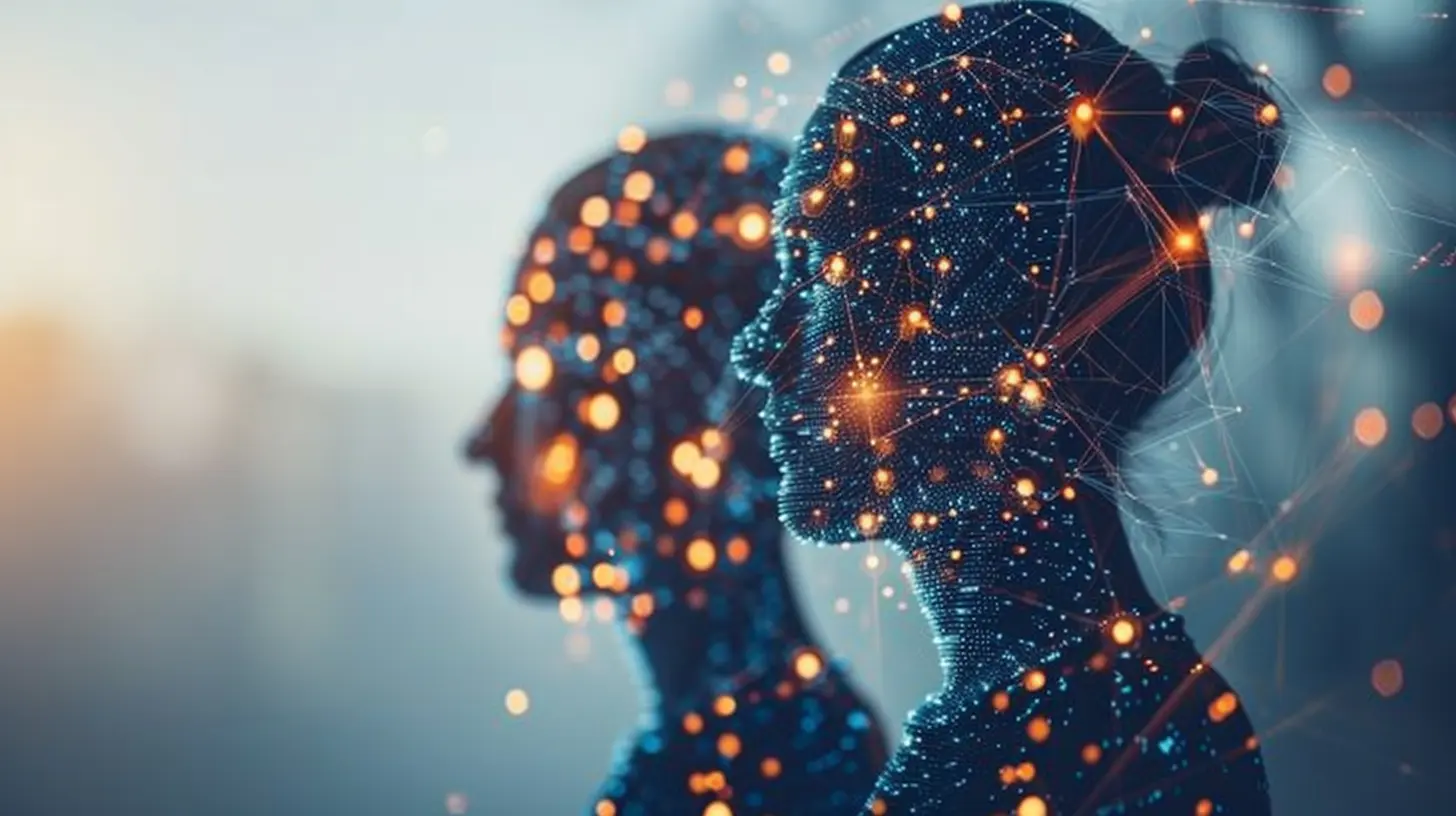
How Social Connections Affect Brain Function
Okay, so we’ve established that social connections are essential for mental well-being. But did you know that they actually affect your brain too? Yep, it’s true! Interacting with others has a direct impact on our brain’s chemistry.Releasing the “Feel-Good” Chemicals
When you have a positive interaction with someone—whether it’s a hug, a laugh, or even just a meaningful conversation—your brain releases oxytocin, often called the “love hormone.” Oxytocin helps reduce stress and promotes feelings of happiness, trust, and bonding. It's the same hormone that is released when a mother bonds with her newborn baby.Beyond oxytocin, social interactions also boost the release of dopamine, which is the brain’s “feel-good” neurotransmitter. Dopamine plays a significant role in how we experience pleasure, motivation, and reward. This is why spending time with loved ones or even just having a good laugh with a friend can make us feel on top of the world.
Strengthening Cognitive Function
Social connections don’t just improve our mood—they can also make us sharper mentally. Engaging in conversations, debating ideas, or even just engaging in social activities like playing board games can stimulate our brains and improve cognitive functions like memory and problem-solving.In fact, studies have shown that people who maintain strong social connections throughout their lives are less likely to develop cognitive decline and conditions like Alzheimer's disease. Our social brains need exercise too, and interacting with others is one of the best ways to give your brain a workout.
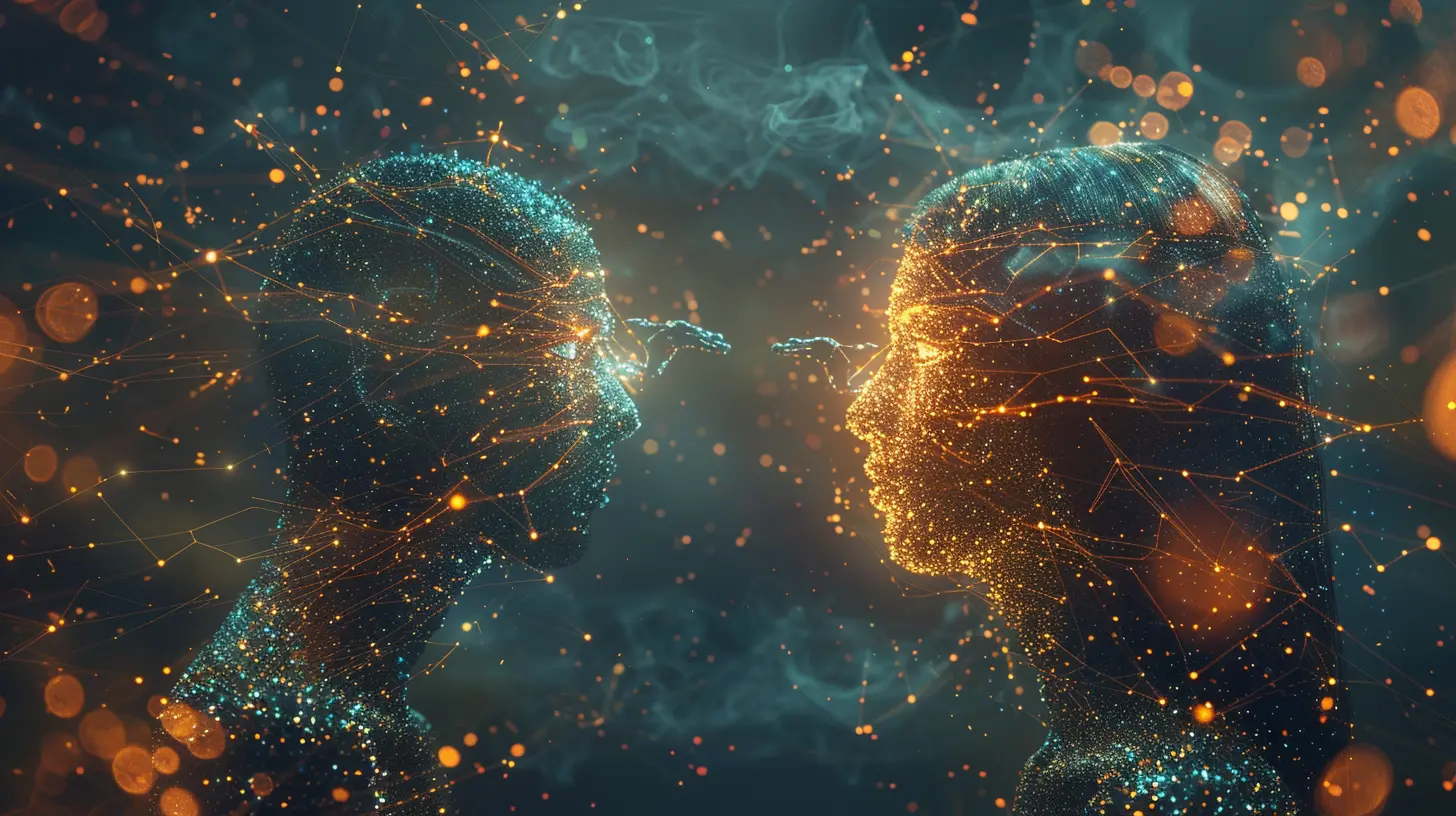
The Link Between Social Isolation and Mental Health Disorders
Now, what happens when we lack social connections? Unfortunately, the consequences aren’t good. Social isolation—whether voluntary or not—has been linked to a higher risk of developing mental health disorders like depression and anxiety.Depression and Social Isolation
One of the most well-documented effects of social isolation is its link to depression. When we are isolated, we lack the emotional support needed to cope with life’s challenges. Over time, this can lead to feelings of hopelessness, worthlessness, and deep sadness.In fact, social isolation can create a vicious cycle. Depression can make us withdraw from others, which then leads to further isolation, creating a feedback loop that’s hard to break out of. That's why it's so important to maintain connections even when you’re feeling down.
Anxiety and Social Isolation
Anxiety is another mental health issue often exacerbated by social isolation. When we don’t regularly interact with others, we can start to feel disconnected from the world around us. This can lead to social anxiety, where we begin to fear or avoid social situations altogether.Ironically, while social interaction can trigger anxiety for some people, avoiding it completely often makes the problem worse. It’s like avoiding swimming lessons because you’re afraid of water—eventually, you’ll need to get in the pool, and avoiding it only increases the fear.

Building and Maintaining Social Connections
Now that we’ve covered how social connections impact mental health, you might be wondering—how can I strengthen my social ties? Well, the good news is that it’s never too late to start building meaningful relationships, and it's not as hard as you might think!Quality Over Quantity
It’s not about having hundreds of friends or being the life of every party—quality trumps quantity when it comes to social connections. A few close, meaningful relationships can be far more beneficial than a large social circle where interactions remain shallow. Focus on cultivating deep, trusting relationships with people who genuinely care about you.Be Vulnerable
It might sound scary, but vulnerability is key to forming deep connections. When you’re open and honest with others about your feelings, struggles, and joys, you create an environment where others feel safe doing the same. It’s through these moments of vulnerability that true connection happens. No one expects you to be perfect, and sharing your authentic self builds stronger relationships.Stay Connected, Even When Life Gets Busy
Life can get hectic, and it’s easy to let relationships slip through the cracks. But staying connected doesn’t have to be an overwhelming task. A simple text, a phone call, or even a quick coffee catch-up can go a long way in maintaining relationships. It’s about the effort, not the grand gestures.The Role of Online Connections
In today’s digital age, we can’t ignore the fact that many of our social interactions happen online. While face-to-face interactions are ideal, online connections can still provide significant mental health benefits.Whether it’s keeping in touch with family via video calls, engaging in meaningful discussions in online communities, or even just sharing memes with friends, virtual connections can help combat loneliness and provide a sense of belonging. However, it’s essential to strike a balance and not rely solely on digital interactions.
Conclusion: The Power of Social Connections
In the end, it’s clear that our social connections have a profound impact on our mental health. Whether it’s reducing stress, combating loneliness, improving cognitive function, or protecting against mental health disorders, the bonds we share with others are crucial to our emotional well-being.So, the next time you feel overwhelmed, stressed, or lonely, remember that reaching out to a friend or loved one isn’t just a “nice” thing to do—it’s a vital part of taking care of your mental health. After all, we’re all in this together.
all images in this post were generated using AI tools
Category:
Psychological Well BeingAuthor:

Christine Carter
Discussion
rate this article
1 comments
Ziva Good
Great insights on connections!
June 25, 2026 at 4:29 PM
Christine Carter
Thank you! I'm glad you found the insights valuable. Connections really do play a crucial role in our mental well-being.