How Practicing Kindness Improves Your Mental Health
17 June 2026
Kindness isn’t just about making other people feel good—it has a profound impact on your well-being, too. Think about the last time you did something nice for someone. Maybe you paid for a stranger’s coffee, gave an encouraging word to a friend, or simply smiled at someone having a rough day. Chances are, you felt a little boost of happiness yourself.
Science backs up this connection between kindness and mental health. But how exactly does being kind improve your mood, reduce stress, and even protect against mental health issues? Let's dive into the fascinating ways kindness benefits your mind, body, and overall well-being. 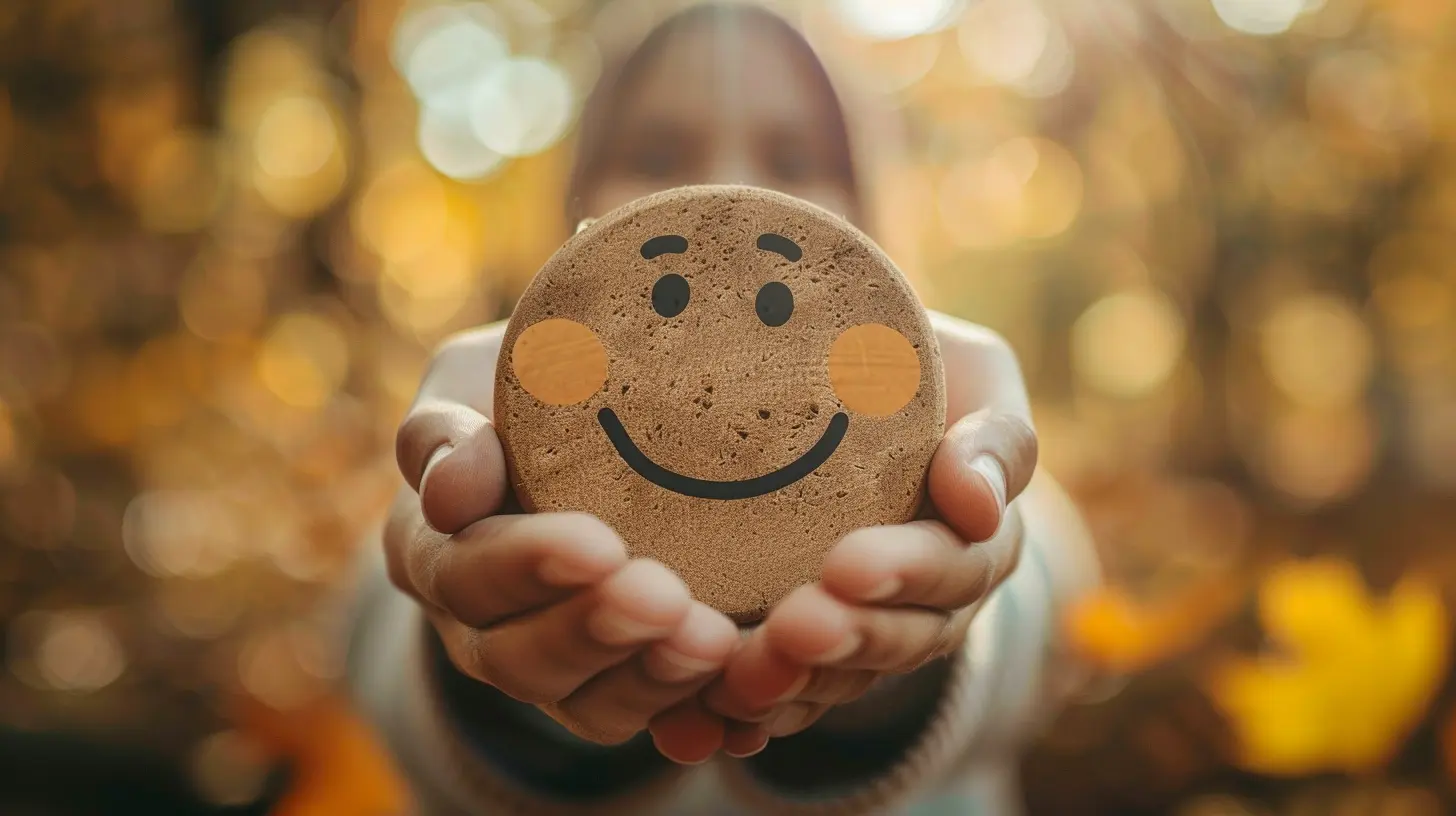
The Science Behind Kindness and Mental Health
1. Kindness Triggers the "Feel-Good" Hormones
Ever heard of the term "helper’s high"? When you engage in kind actions, your brain releases feel-good chemicals like:- Dopamine – This is the brain’s reward center kicking in, making you feel happier and more satisfied.
- Oxytocin – Often called the "love hormone," oxytocin promotes feelings of connection, trust, and bonding.
- Serotonin – This neurotransmitter plays a huge role in regulating mood and reducing feelings of depression.
Simply put, kindness acts like a natural antidepressant. The more kind acts you do, the more your brain rewards you with these happiness-boosting chemicals!
2. Decreases Stress and Anxiety
We all deal with stress from time to time, but too much of it can wreak havoc on our mental health. Engaging in kind behavior can help regulate your stress levels by reducing cortisol—the body’s primary stress hormone.Studies show that people who regularly practice kindness experience lower levels of anxiety and stress. Why? Because when you're focused on helping others, your brain shifts away from personal worries, breaking the cycle of overthinking and self-doubt.
3. Strengthens Social Connections
Humans are wired for connection, and kindness helps strengthen relationships in a meaningful way. When you’re kind to others, you create bonds that foster a sense of belonging and reduce loneliness.Social support is a crucial component of mental well-being. Strong relationships have been linked to lower rates of depression, increased resilience, and even a longer life expectancy. A simple act of kindness, like checking in on a friend or helping a neighbor, can make a world of difference for both you and them. 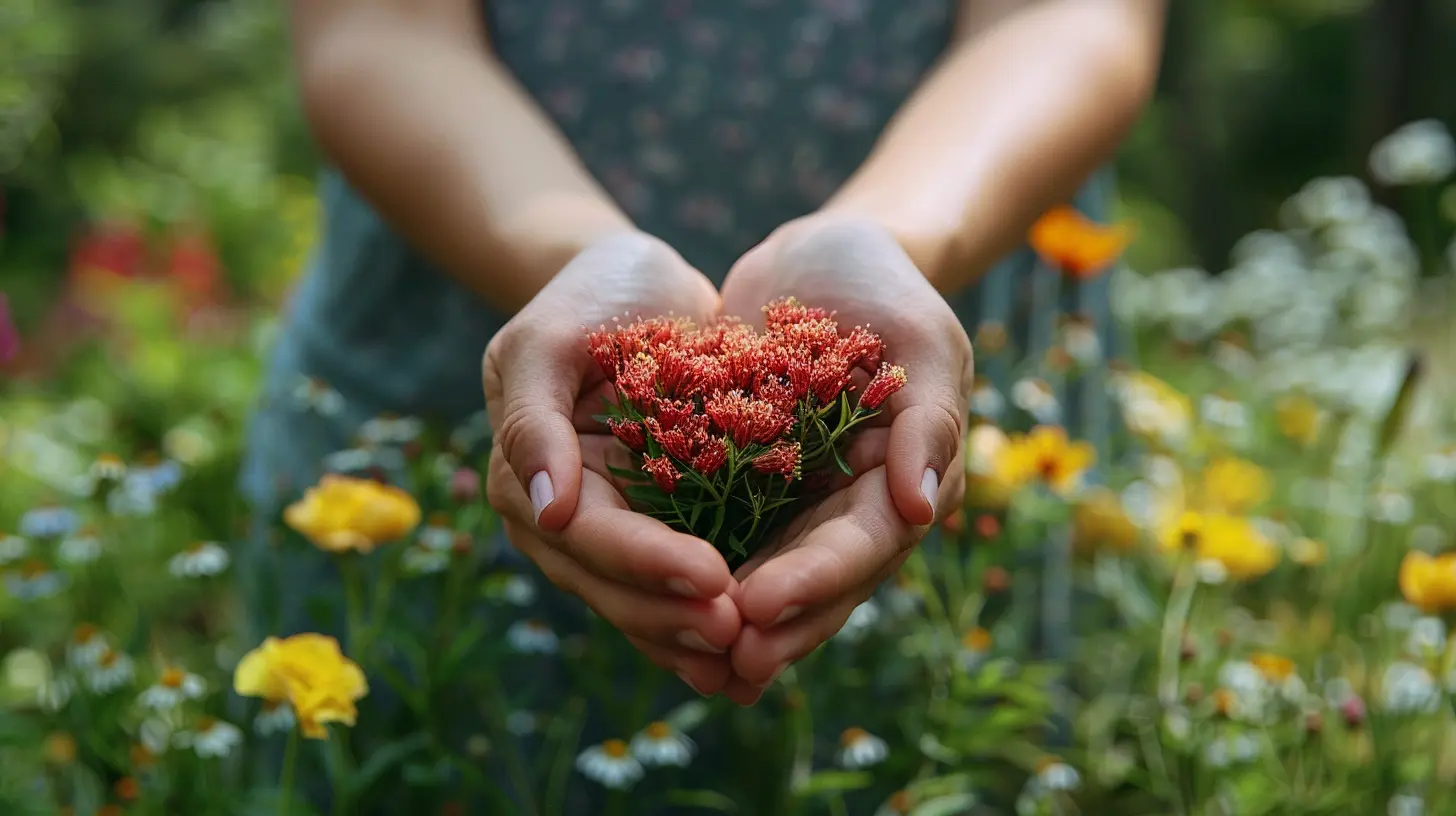
How Kindness Improves Specific Aspects of Mental Well-Being
1. Boosts Self-Esteem
Have you ever noticed that helping someone else makes you feel better about yourself? Kindness allows you to see yourself in a positive light, reinforcing self-worth and confidence.When you do good for others, you feel a sense of accomplishment and purpose. You realize that your actions matter, which, in turn, enhances your self-esteem and encourages personal growth.
2. Helps Combat Depression
Depression often makes people withdraw from others and feel isolated. Practicing kindness can help break that cycle. When you engage in kind acts, your brain shifts its focus outward rather than dwelling on negative emotions.Psychologists have found that even small, everyday acts of kindness—like complimenting someone or writing a thank-you note—can significantly improve mood and create a sense of meaning in life.
3. Encourages a Positive Perspective
Kindness has the power to rewire your brain. By consistently focusing on compassionate actions, your mind starts to develop a more optimistic outlook on life.Instead of obsessing over problems, kindness teaches you to see the good in yourself and others. Over time, this mindset shift can reduce negative thought patterns and promote long-term emotional resilience. 
Simple Ways to Practice Kindness Daily
You don’t have to perform grand gestures to experience the mental health benefits of kindness. Even small, everyday actions can make a huge difference. Here are some simple ways to spread kindness:1. Be Kind to Yourself
Kindness starts from within. Treat yourself with the same compassion you show others. That means:- Speaking to yourself with kindness instead of self-criticism.
- Taking time for self-care, whether it’s reading, meditating, or simply relaxing.
- Forgiving yourself for past mistakes instead of dwelling on them.
2. Show Gratitude
Expressing gratitude is a form of kindness that benefits both you and those around you. Try:- Writing a heartfelt thank-you letter to someone who has impacted your life.
- Complimenting a coworker, friend, or family member just because.
- Keeping a gratitude journal to remind yourself of the positive things in life.
3. Help Someone in Need
Acts of service boost happiness and create a ripple effect of kindness. Consider:- Volunteering at a local shelter or charity.
- Holding the door open for a stranger.
- Offering to help a neighbor with groceries or errands.
4. Be Present and Listen
Sometimes, the best way to show kindness is simply by being there for someone. When someone is talking to you—whether they’re venting about a tough day or sharing exciting news—truly listen. Put your phone down, make eye contact, and engage in the conversation.5. Spread Positivity on Social Media
The internet can sometimes be a negative space, but you can change that! Send an uplifting message, leave a positive comment, or share inspiring content to brighten someone’s day.
The Ripple Effect of Kindness
One of the most beautiful things about kindness is that it’s contagious. When you show kindness to someone, they’re more likely to pass it on to someone else, creating a never-ending cycle of goodwill.Imagine if every person committed to doing just one kind act per day. The world would be a much happier, healthier place—not just for those receiving kindness but for those giving it as well.
Kindness is a win-win situation. It doesn’t cost anything, yet it has immeasurable benefits for both the giver and the receiver.
Final Thoughts
Practicing kindness isn’t just a nice thing to do—it’s a powerful tool for improving mental health. From releasing feel-good hormones to reducing stress and fostering social connections, kindness has the potential to transform your emotional well-being.So, why not challenge yourself to be a little kinder today? Whether it’s offering a compliment, helping someone in need, or simply being more patient, every act of kindness adds up. And the best part? You’ll be improving your own mental health in the process.
Remember, kindness is free, yet its impact is priceless.
all images in this post were generated using AI tools
Category:
Psychological Well BeingAuthor:

Christine Carter
Discussion
rate this article
1 comments
Naomi Barrett
This article highlights a vital connection between kindness and mental health. Practicing kindness not only benefits others but also enhances our own well-being, making it an essential habit for personal growth.
June 21, 2026 at 5:00 PM
Christine Carter
I'm glad you found the article meaningful. Kindness truly is a powerful tool for both personal and collective well-being.